Kerry Blue Terrier vs Shiba Inu
Side-by-side comparison across all 14 AKC trait ratings, with a clear verdict on which breed fits which kind of household.
Not sure which breed fits your life?
Answer five questions about your home, your schedule, and your tolerance for shedding. We’ll match you to your top three breeds from over 200.
Kerry Blue Terrier vs Shiba Inu
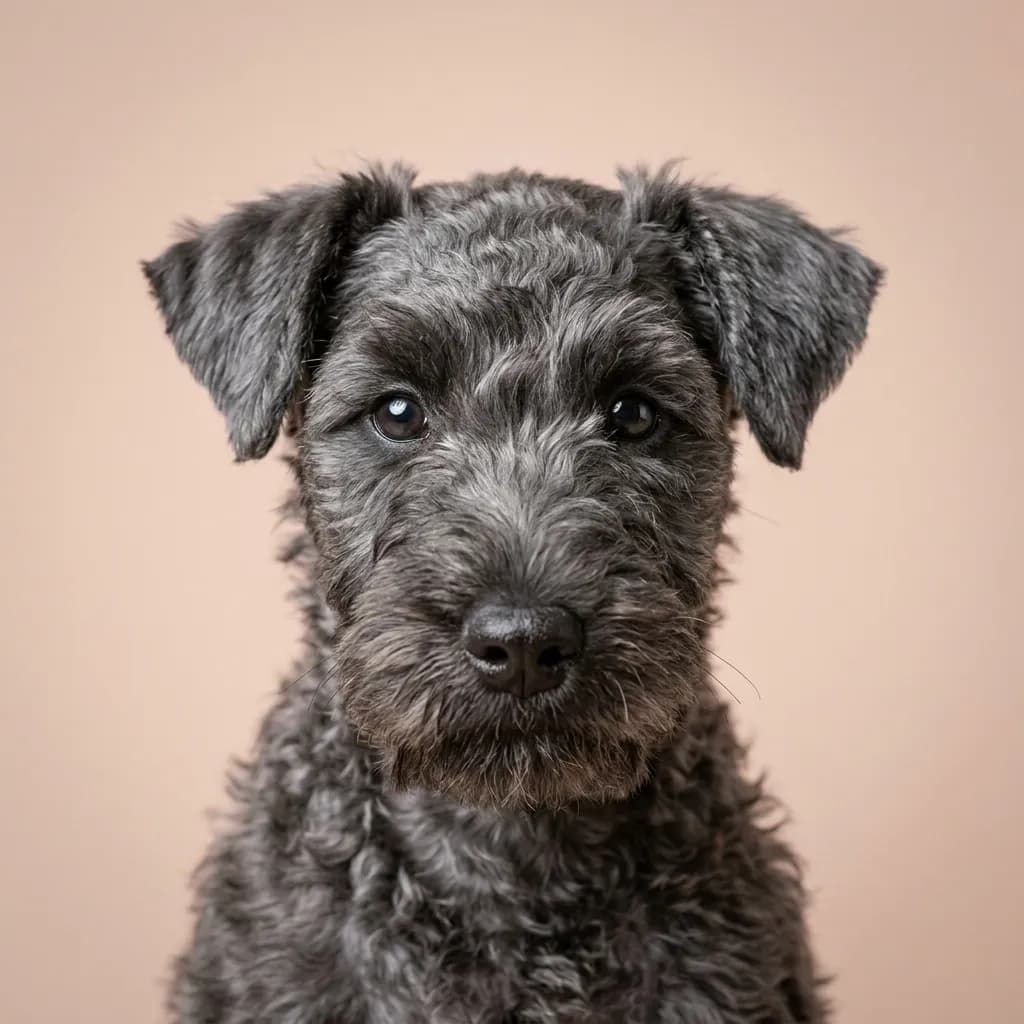
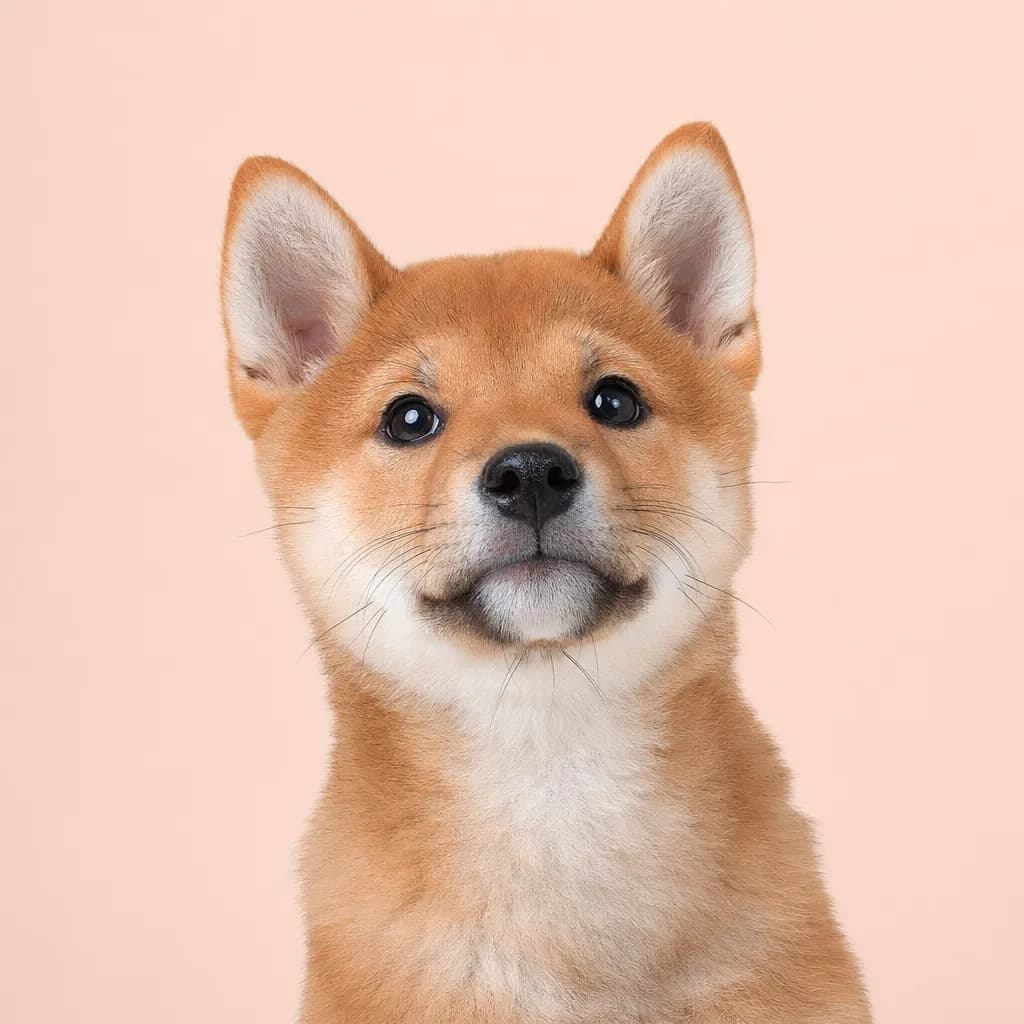
People compare Kerry Blue Terriers and Shiba Inus because they’re both alert, independent, and look like they’ve got something to prove. They’re not the cuddly type in the generic sense, and both have that “I’m cute but I know it” energy. But that’s where the similarity ends. Choosing between them isn’t just preference. it’s about how you live and what you’ll tolerate. The Kerry Blue is the emotional, full-bodied terrier. He’ll follow you from room to room, bark at the mail, and want to be hugged after. He’s soft-coated and nearly non-shedding, great for allergies, but that coat takes weekly upkeep. think blow-dry sessions and trim appointments. He’s smart and eager to please, but with terrier stubbornness; training works if you’re consistent. He’s better with kids than the Shiba, but he’ll chase squirrels, cats, or a plastic bag in the wind like it’s his life’s mission. The Shiba Inu is the aloof apartment ninja. He grooms himself like a cat, sheds twice a year in biblical proportions, and will give you affection on his terms. usually at 3 a.m. when he decides you’ve earned it. He’s harder to train not because he’s dumb. he’s sharp. but because he weighs your request against his convenience. Off-leash? Forget it. Recall? Good luck. Here’s the real insight: The Kerry Blue bonds with the whole family and wants to be involved. The Shiba picks a person and tolerates the rest. If you want a dog that feels like part of the household pulse, go Kerry. If you want a mysterious companion who occasionally deigns to sit near you, get the Shiba. Both need experienced hands, but for different reasons. one needs direction, the other needs diplomacy.
Trait-by-trait
Higher bar = more of that trait. Shedding, barking, drooling, grooming flipped for readability.Where they diverge
Choose the Kerry Blue Terrier if…
- Experienced terrier owners
- Active families
- Allergy sufferers
- You value good with young children — Kerry Blue Terrier scores noticeably higher.
Choose the Shiba Inu if…
- Experienced dog owners
- Those wanting a cat-like independence
- Active owners
- You value shedding level — Shiba Inu scores higher here.