Kishu Ken vs Shetland Sheepdog
Side-by-side comparison across all 14 AKC trait ratings, with a clear verdict on which breed fits which kind of household.
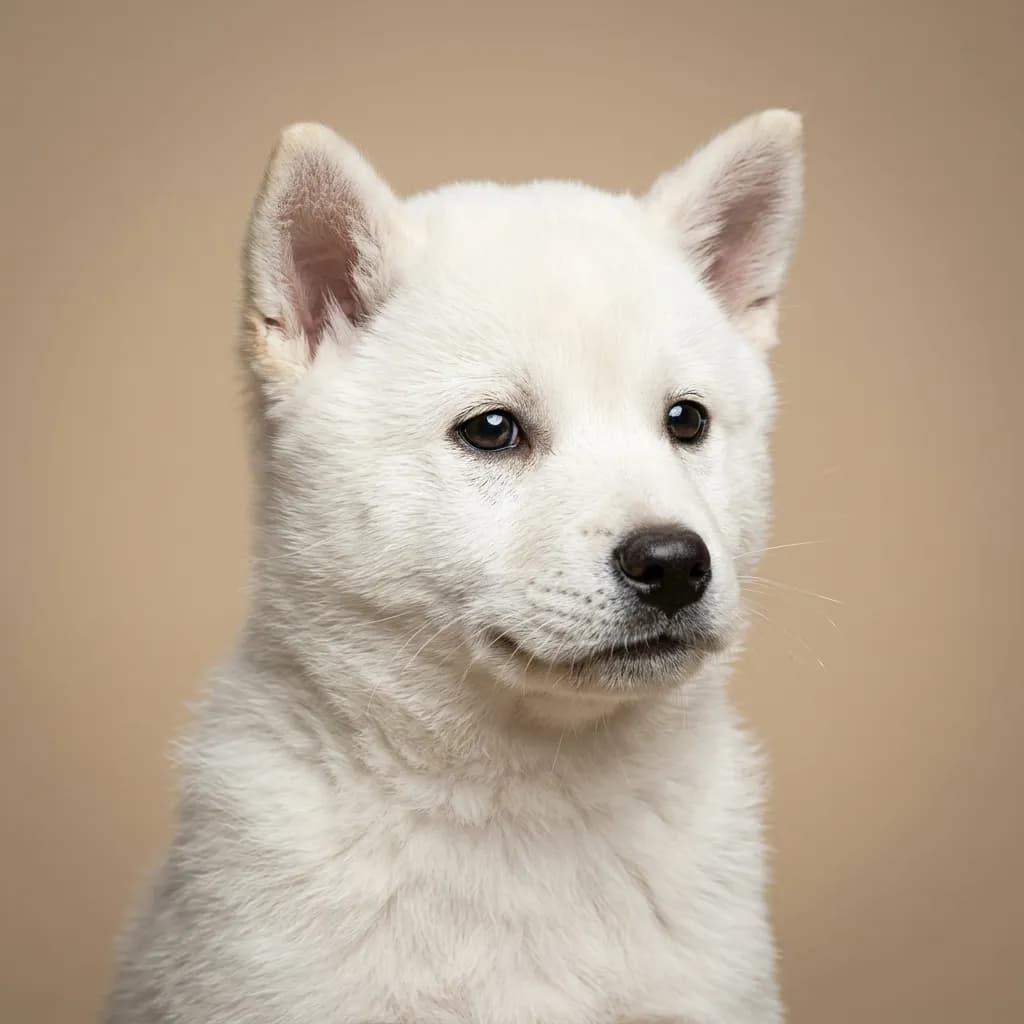
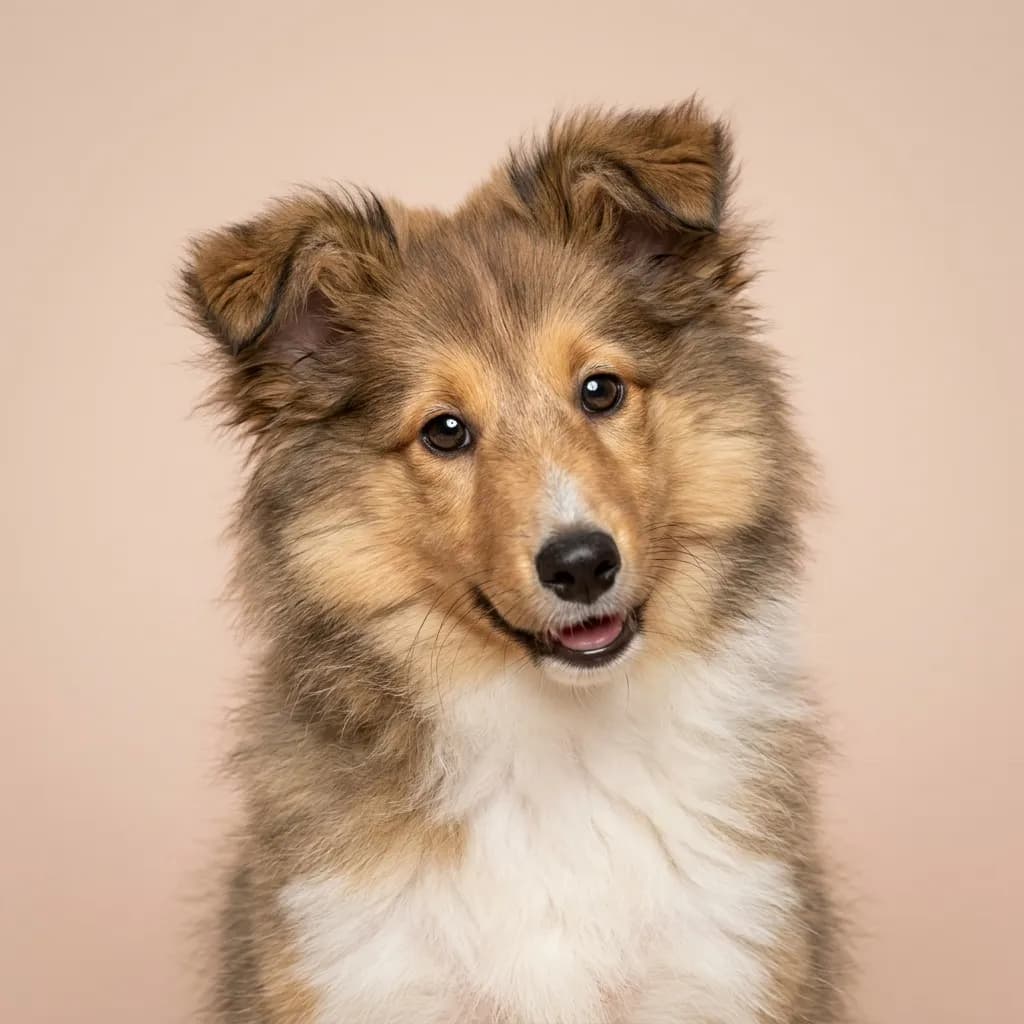
Not sure which breed fits your life?
Answer five questions about your home, your schedule, and your tolerance for shedding. We’ll match you to your top three breeds from over 200.
Kishu Ken vs Shetland Sheepdog
People compare Kishu Kens and Shetland Sheepdogs because both are mid-sized, alert, and striking in their own way. one a rare Japanese hunting dog with a fox-like face, the other a fluffy, collie-type charmer that looks like a miniature Lassie. But beyond surface charm, these breeds couldn’t be more different in purpose and personality. The Kishu Ken is a quiet, intense hunter bred to track boar and deer in mountainous terrain. It’s reserved, independent, and deeply loyal to its family. but not eager to please. It won’t bark much, but it will stare. And if it sees a squirrel, cat, or anything small and fast, its prey drive will kick in hard. This isn’t a dog for apartment life or first-time owners. It needs space, structure, and someone who understands canine aloofness isn’t defiance. They’re clean, low-barking, and surprisingly good in cold weather, but their 2/5 adaptability means they won’t thrive in a chaotic household. The Sheltie? Total opposite. It lives to connect. Bred to herd sheep on windy Scottish islands, it’s tuned into human cues and thrives on mental work. They’re one of the most trainable breeds out there, eager to learn tricks, excel in agility, and shadow your every move. But that sensitivity means they’ll bark at the mail truck, the breeze, or a thought. And that lush coat? Weekly brushing won’t cut it. expect real grooming sessions. Here’s the real talk: if you want a dog that feels like a partner in quiet companionship and you’re experienced enough to earn its trust, the Kishu Ken might steal your heart. But if you want a family-focused, responsive dog that lives for praise and play, the Sheltie’s your bet. Just be ready for the noise and the fur.
Trait-by-trait
Higher bar = more of that trait. Shedding, barking, drooling, grooming flipped for readability.Where they diverge
Choose the Kishu Ken if…
- Experienced dog owners
- Active owners
- Cold climates
- You value good with strangers — Kishu Ken scores noticeably higher.
Choose the Shetland Sheepdog if…
- Families with children
- Active owners
- Dog sports enthusiasts
- You value barking level — Shetland Sheepdog scores higher here.