Kishu Ken vs Tosa
Side-by-side comparison across all 14 AKC trait ratings, with a clear verdict on which breed fits which kind of household.
Not sure which breed fits your life?
Answer five questions about your home, your schedule, and your tolerance for shedding. We’ll match you to your top three breeds from over 200.
Kishu Ken vs Tosa
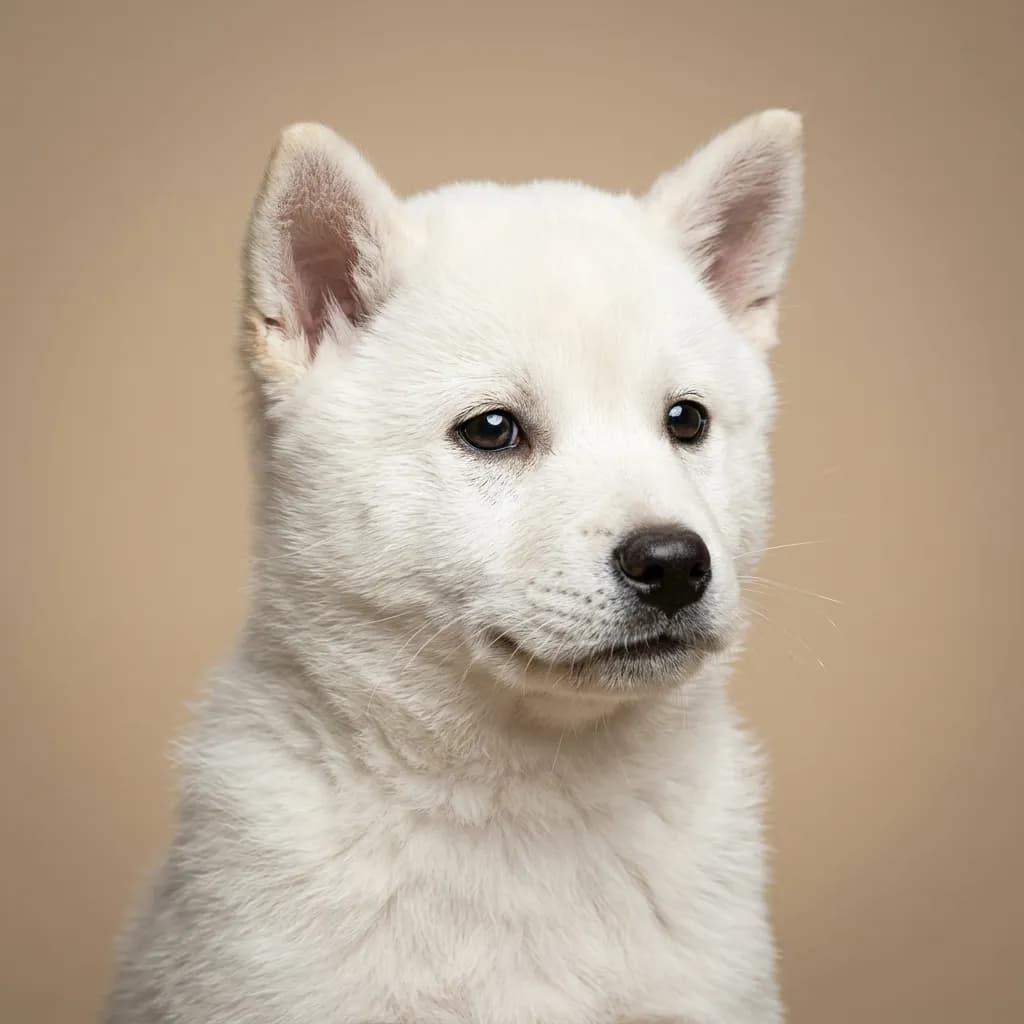
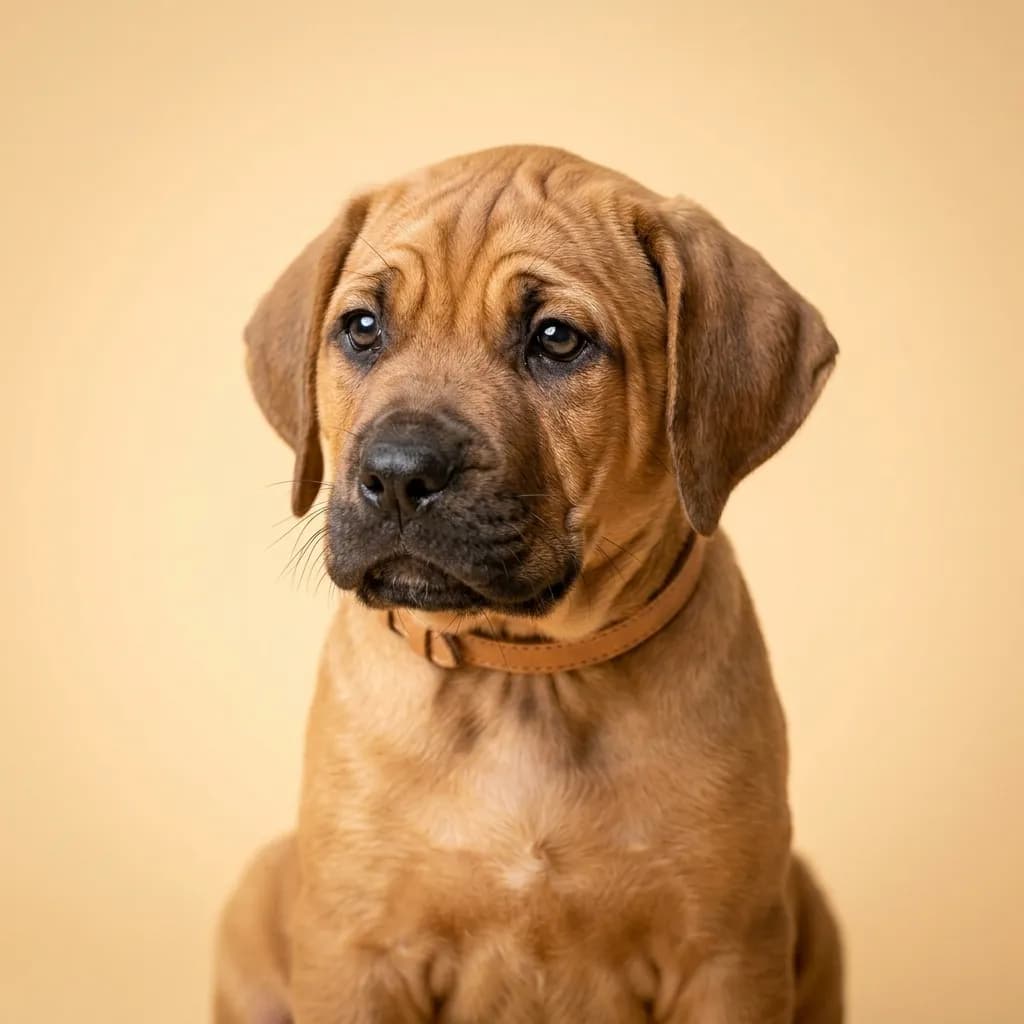
You don’t see a Kishu Ken and a Tosa side by side at dog parks. because one probably wouldn’t survive the encounter. Yet people compare them, drawn by that shared “rare Japanese breed” label, like picking a sports car and a tank because both have four wheels. The truth? These dogs are worlds apart. The Kishu Ken is a ghost in the forest. lean, quiet, built for tracking deer through mountain snow. It’s aloof with strangers, reserved with kids, and deeply bonded to one person. You’ll need space, time, and patience; this isn’t a dog that fits into your life easily. It’s not stubborn so much as self-reliant. If you want a partner on long hikes who’ll alert you to danger with silence rather than noise, the Kishu might steal your heart. But if you live in an apartment or have a house full of pets, don’t bother. The Tosa is a paradox. Massive, powerful, bred for dog fighting in 19th-century Japan, today’s Tosa is often a gentle giant. if raised right. But “raised right” means hours of socialization, iron-clad boundaries, and a home with a six-foot fence and zero tolerance for mistakes. They’re surprisingly affectionate with their people, calm indoors, but their size alone makes them a liability in tight spaces or unprepared hands. Here’s the real talk: both demand experience, but for opposite reasons. The Kishu needs someone who can earn its trust. The Tosa needs someone who can maintain control. First-time owners? Walk away from both. But if you’re seeking a quiet, alert companion who’ll keep to the shadows, go Kishu. If you want a towering, devoted guardian who thrives on routine and structure, the Tosa could be your shadow. Just remember. this isn’t about preference. It’s about matching your lifestyle to a dog that won’t suffer for it.
Trait-by-trait
Higher bar = more of that trait. Shedding, barking, drooling, grooming flipped for readability.Where they diverge
Choose the Kishu Ken if…
- Experienced dog owners
- Active owners
- Cold climates
- You value good with strangers — Kishu Ken scores noticeably higher.
Choose the Tosa if…
- very experienced large-breed owners
- homes with secure property
- owners seeking a calm giant breed companion
- You value drooling level — Tosa scores higher here.