Kishu Ken vs Weimaraner
Side-by-side comparison across all 14 AKC trait ratings, with a clear verdict on which breed fits which kind of household.

Not sure which breed fits your life?
Answer five questions about your home, your schedule, and your tolerance for shedding. We’ll match you to your top three breeds from over 200.
Kishu Ken vs Weimaraner
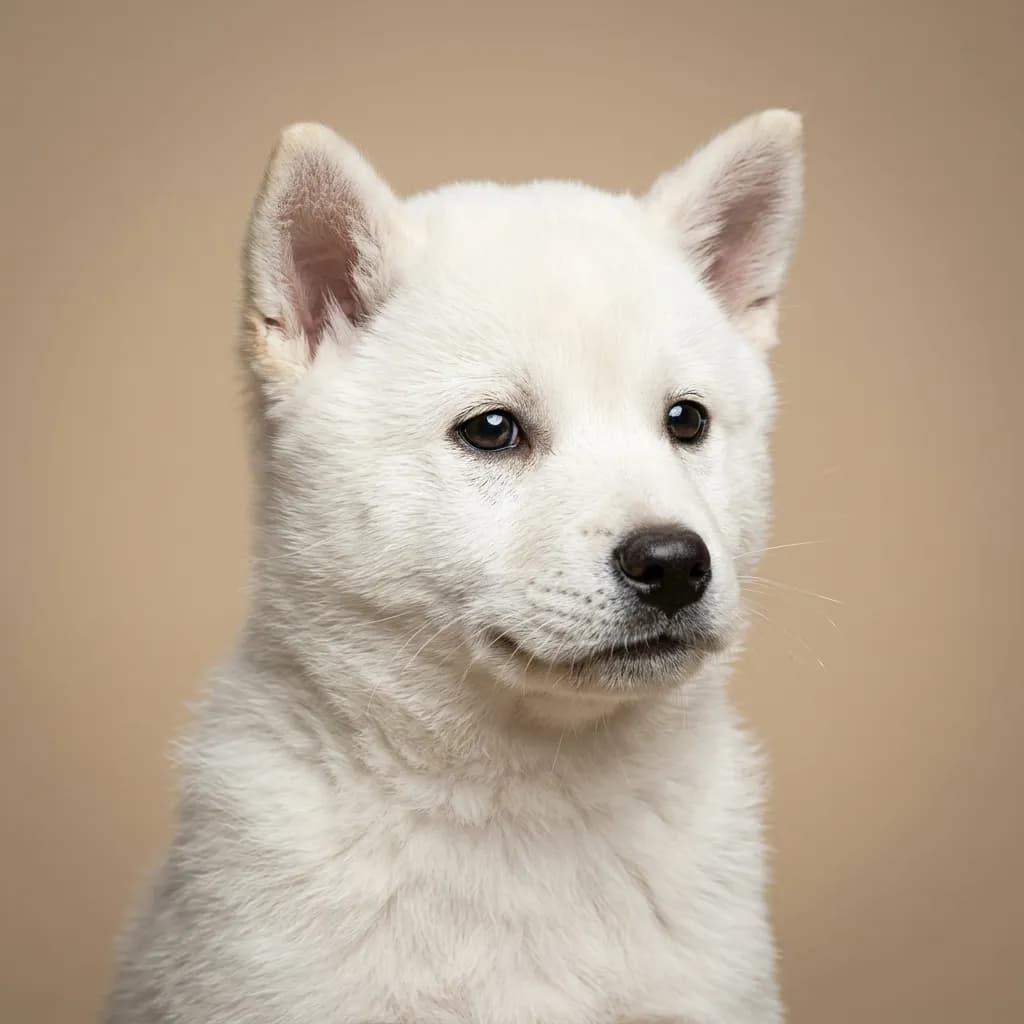
People compare the Kishu Ken and Weimaraner because both are serious, athletic dogs with hunting roots and striking looks. one sleek and silver-gray, the other wild-eyed and white-coated with that legendary piercing gaze. But that’s where the similarities end. You’re not just choosing between sizes or energy levels; you’re picking two entirely different relationships with a dog. The Kishu Ken is a quiet guardian of tradition. He’s reserved, deeply loyal to one or two people, and watchful to the point of aloofness with strangers. He won’t bark much, but he’ll notice everything. This isn’t a family dog in the casual sense. he’s better suited to someone who values space, silence, and a dog that thinks for itself. He’s independent, moderately trainable, and can live in colder climates with a yard, but don’t expect cuddles on demand or easy socialization with kids or cats. He was bred to track boar alone in mountain forests, and that solitude still runs in his veins. The Weimaraner, by contrast, is all-in, all the time. He’s a velcro dog with the stamina of an endurance athlete. High energy? Absolutely. But more importantly, he needs constant mental work and human connection. Leave him alone too long and he’ll redecorate your home out of sheer distress. He’s affectionate with kids, eager to learn, and thrives in active households where he can run, hunt, or hike daily. Here’s the real difference: the Kishu Ken will respect you. The Weimaraner will worship you. if you earn it through time and engagement. Pick the Kishu if you want a noble, self-contained companion who moves like a shadow. Pick the Weimaraner if you want a passionate partner who lives and breathes for you. And be honest. neither will forgive a careless owner.
Trait-by-trait
Higher bar = more of that trait. Shedding, barking, drooling, grooming flipped for readability.Where they diverge
Choose the Kishu Ken if…
- Experienced dog owners
- Active owners
- Cold climates
- You value good with strangers — Kishu Ken scores noticeably higher.
Choose the Weimaraner if…
- Active families with space
- Hunters
- Runners and hikers
- You value affectionate w/ family — Weimaraner scores higher here.