Kishu Ken vs Wetterhoun
Side-by-side comparison across all 14 AKC trait ratings, with a clear verdict on which breed fits which kind of household.
Not sure which breed fits your life?
Answer five questions about your home, your schedule, and your tolerance for shedding. We’ll match you to your top three breeds from over 200.
Kishu Ken vs Wetterhoun
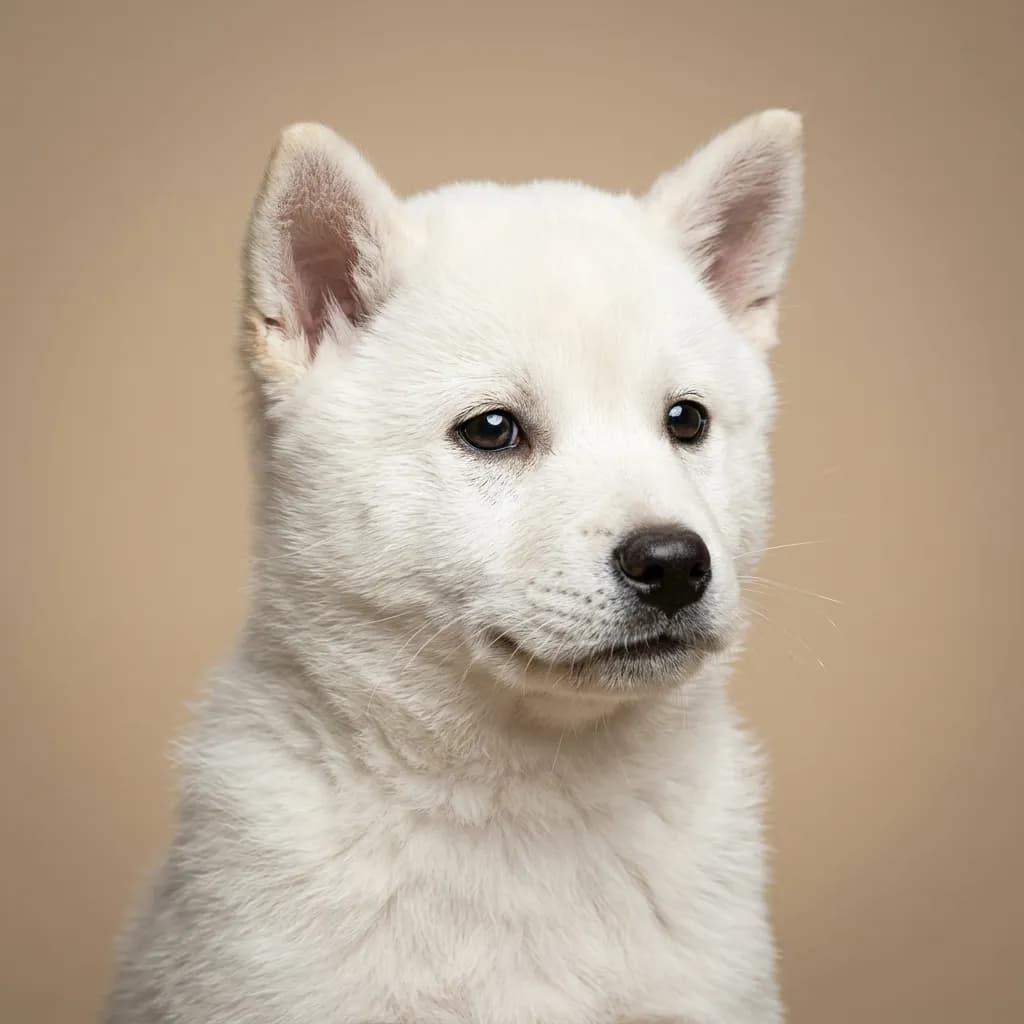
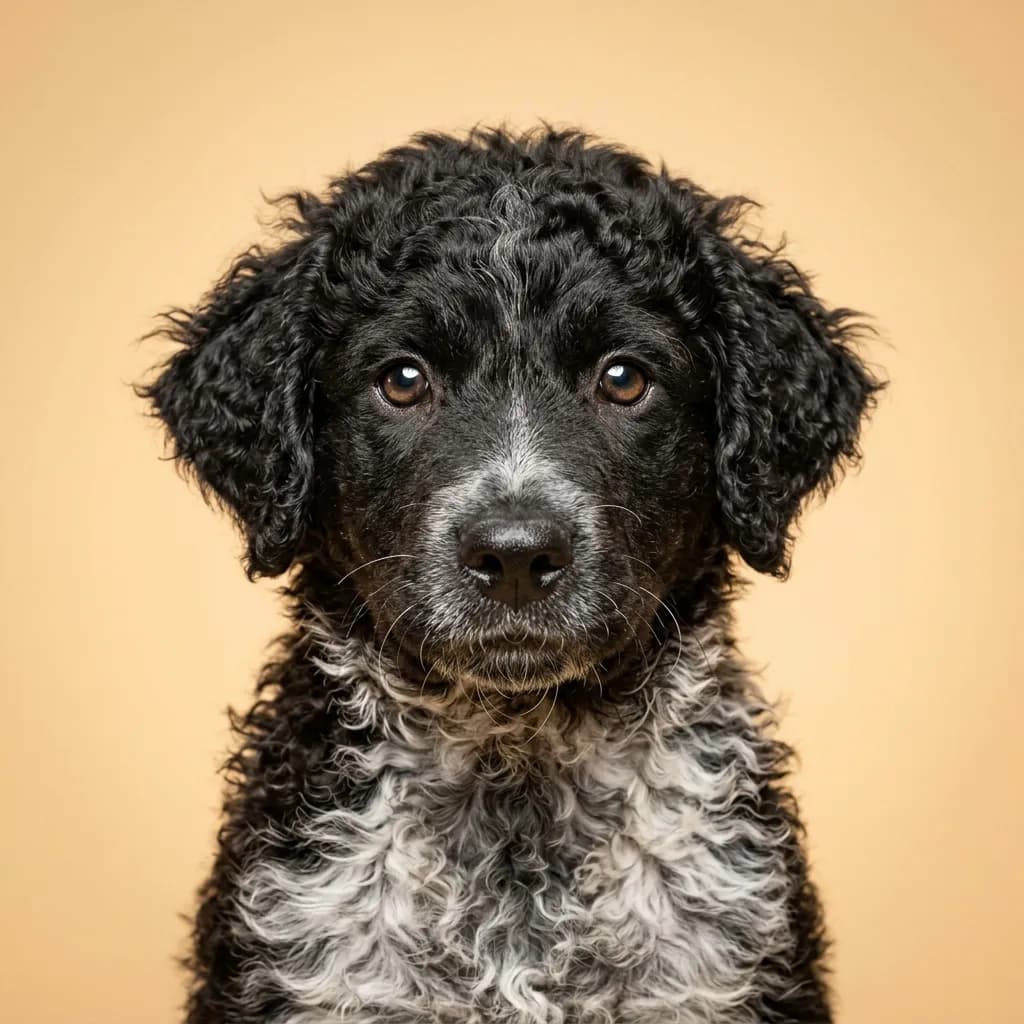
People don’t stumble into comparing Kishu Kens and Wetterhouns by accident. These aren’t Instagram-famous breeds. You’re looking at them because you live off the beaten path, maybe hunt, or crave a rare dog with real purpose. Both are rare, both are water- and cold-weather tough, and both demand experience. But that’s where the similarities end. The Kishu Ken is a quiet ghost in the woods. Bred to solo-hunt boar in the Japanese mountains, it’s focused, independent, and intensely alert. It won’t bark much, but it notices everything. That noble aloofness means it’s not wrong to call them docile. but don’t mistake that for easygoing. They’re not. They bond deeply with one or two people and can be wary of strangers, kids, or squirrels that look too much like prey. They need space, routine, and mental puzzles. If you’re a first-time owner or live in a condo, this isn’t your breed. The Wetterhoun is the cheerful, curly-coated partner in crime. Built for Dutch marshes, it’s a swimmer, a retriever, and surprisingly affectionate. It thrives on partnership. Where the Kishu might tolerate you, the Wetterhoun wants to work with you. It’s more adaptable, more social, and less likely to side-eye your guests. But don’t be fooled by its rarity. this dog needs hours of activity and early, relentless socialization. Let it get bored, and you’ll have a stubborn, destructive mess. Here’s the real difference: the Kishu Ken respects you. The Wetterhoun loves you. Pick the Kishu if you want a silent, loyal guardian who moves like a shadow. Pick the Wetterhoun if you want a muddy, grinning teammate who’ll swim through winter for a duck. Both are 13-year commitments to a dog that won’t fit normal life. And that’s exactly why you’re considering one.
Trait-by-trait
Higher bar = more of that trait. Shedding, barking, drooling, grooming flipped for readability.Where they diverge
Choose the Kishu Ken if…
- Experienced dog owners
- Active owners
- Cold climates
- You value good with strangers — Kishu Ken scores noticeably higher.
Choose the Wetterhoun if…
- hunters
- active rural owners
- experienced sporting dog owners
- You value affectionate w/ family — Wetterhoun scores higher here.