Komondor vs Spinone Italiano
Side-by-side comparison across all 14 AKC trait ratings, with a clear verdict on which breed fits which kind of household.

Not sure which breed fits your life?
Answer five questions about your home, your schedule, and your tolerance for shedding. We’ll match you to your top three breeds from over 200.
Komondor vs Spinone Italiano
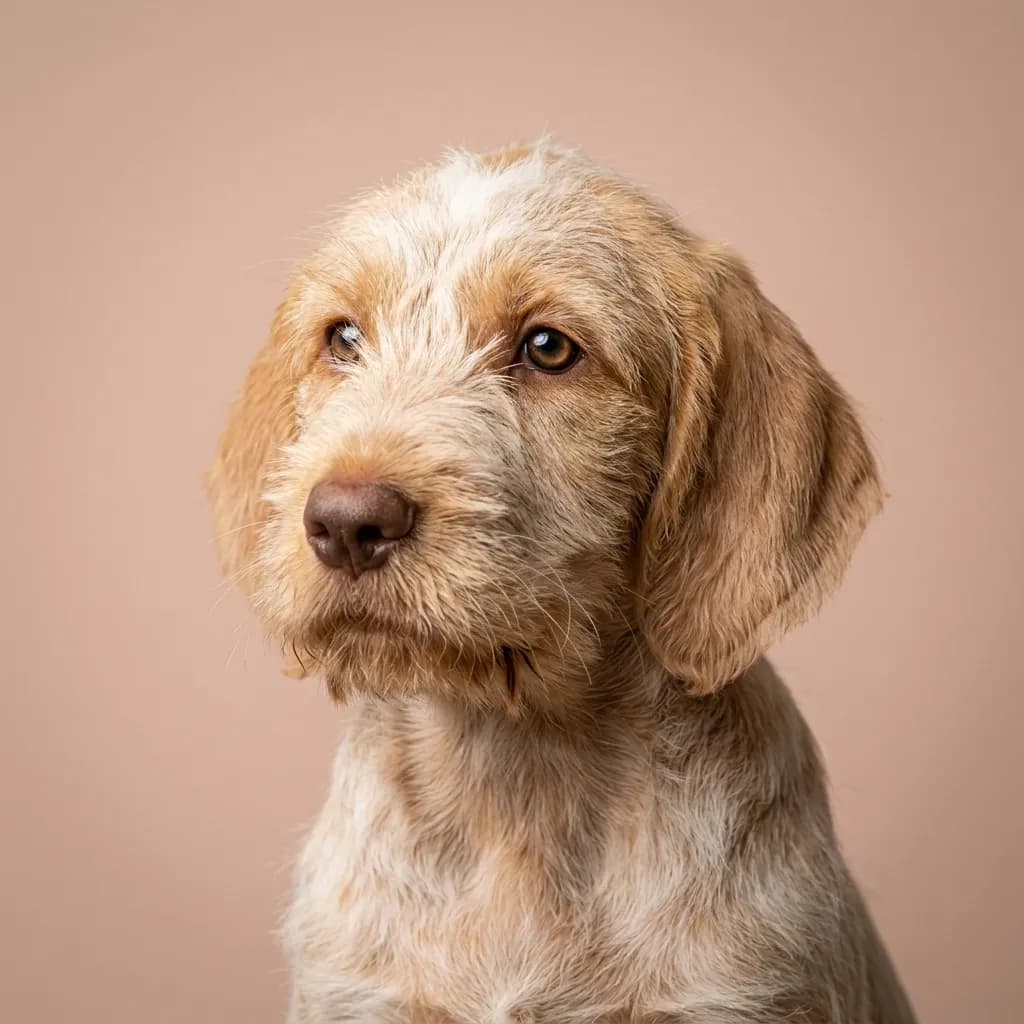
People compare Komondors and Spinone Italianos because both are big, gentle, and look like they belong on a farm. But that’s where the similarity ends. One’s a fortress wrapped in dreadlocks; the other’s a floppy-eared philosopher with a heart of gold. The Komondor was bred to guard sheep from wolves in the Hungarian plains. It’s fiercely loyal, independent, and doesn’t ask for permission. it makes decisions. You’ll love its low shedding, but good luck keeping that corded coat clean. It’s not just high maintenance. It’s constant maintenance. And it won’t thrive in a city, or with someone who’s gone all day. It needs space, purpose, and someone who understands that its aloofness isn’t stubbornness. it’s vigilance. The Spinone, on the other hand, was bred to work all day in the Italian hills, pointing game and retrieving from water and brush. It’s not a guard. It’s a companion. It’ll greet strangers like long-lost cousins and play gently with toddlers. Less coat drama than the Komondor, but you’ll be wiping drool off the walls. It’s better for active families in suburbs or rural homes, but don’t expect a watchdog. If a raccoon raids your trash, the Spinone will probably invite it to dinner. Here’s the real difference: the Komondor is a job-oriented breed that tolerates you. The Spinone lives to love you. If you want a dog that’s always with you, pick the Spinone. If you want a dog that stands between you and danger without blinking, go Komondor. but only if you’ve got the time, space, and experience to handle a true guardian. And whatever you do, don’t get either just because they look unique. You’re not adopting a costume. You’re committing to a lifestyle.
Trait-by-trait
Higher bar = more of that trait. Shedding, barking, drooling, grooming flipped for readability.Where they diverge
Choose the Komondor if…
- Livestock guardians
- Rural or farm living
- Experienced dog owners
- You value coat grooming — Komondor scores noticeably higher.
Choose the Spinone Italiano if…
- Active hunting families
- Those wanting a gentle, patient breed
- Families with children
- You value good with other dogs — Spinone Italiano scores higher here.