Kuvasz vs Spanish Mastiff
Side-by-side comparison across all 14 AKC trait ratings, with a clear verdict on which breed fits which kind of household.
Not sure which breed fits your life?
Answer five questions about your home, your schedule, and your tolerance for shedding. We’ll match you to your top three breeds from over 200.
Kuvasz vs Spanish Mastiff
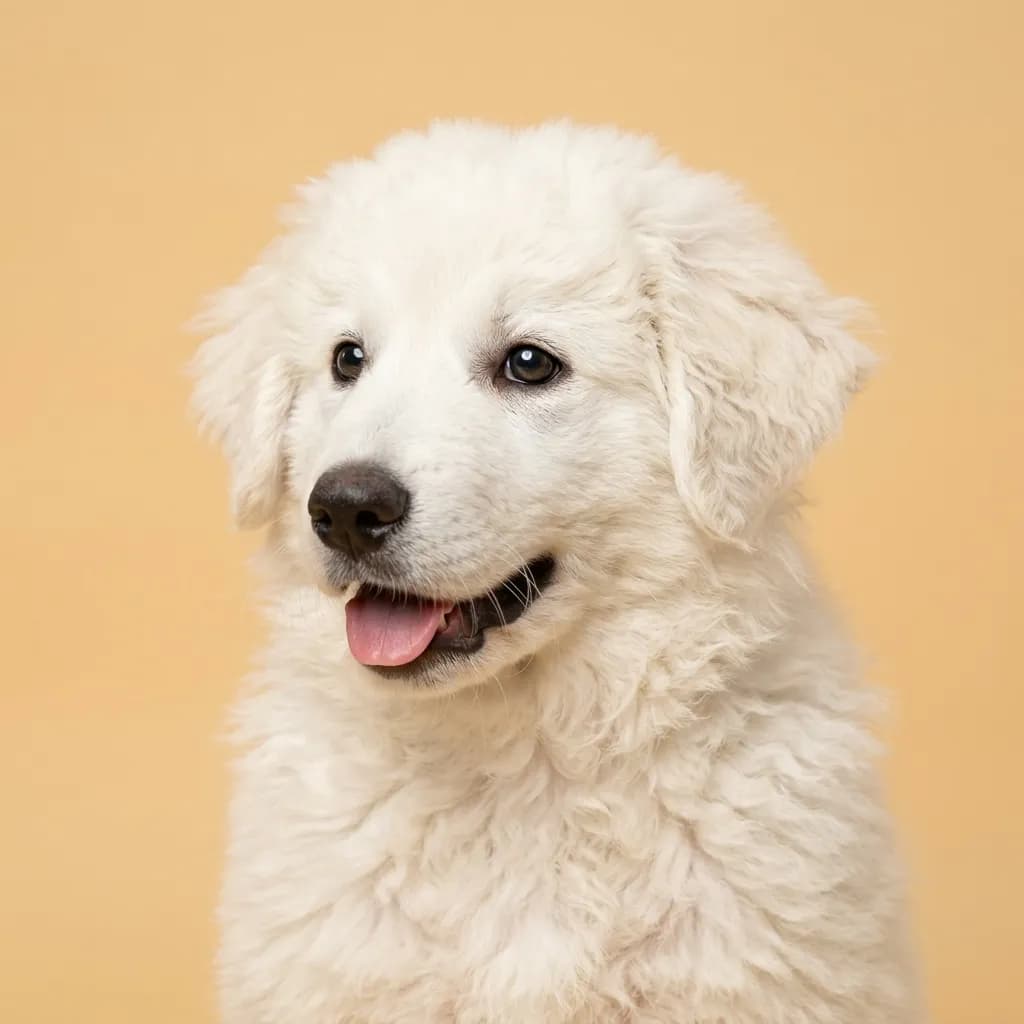
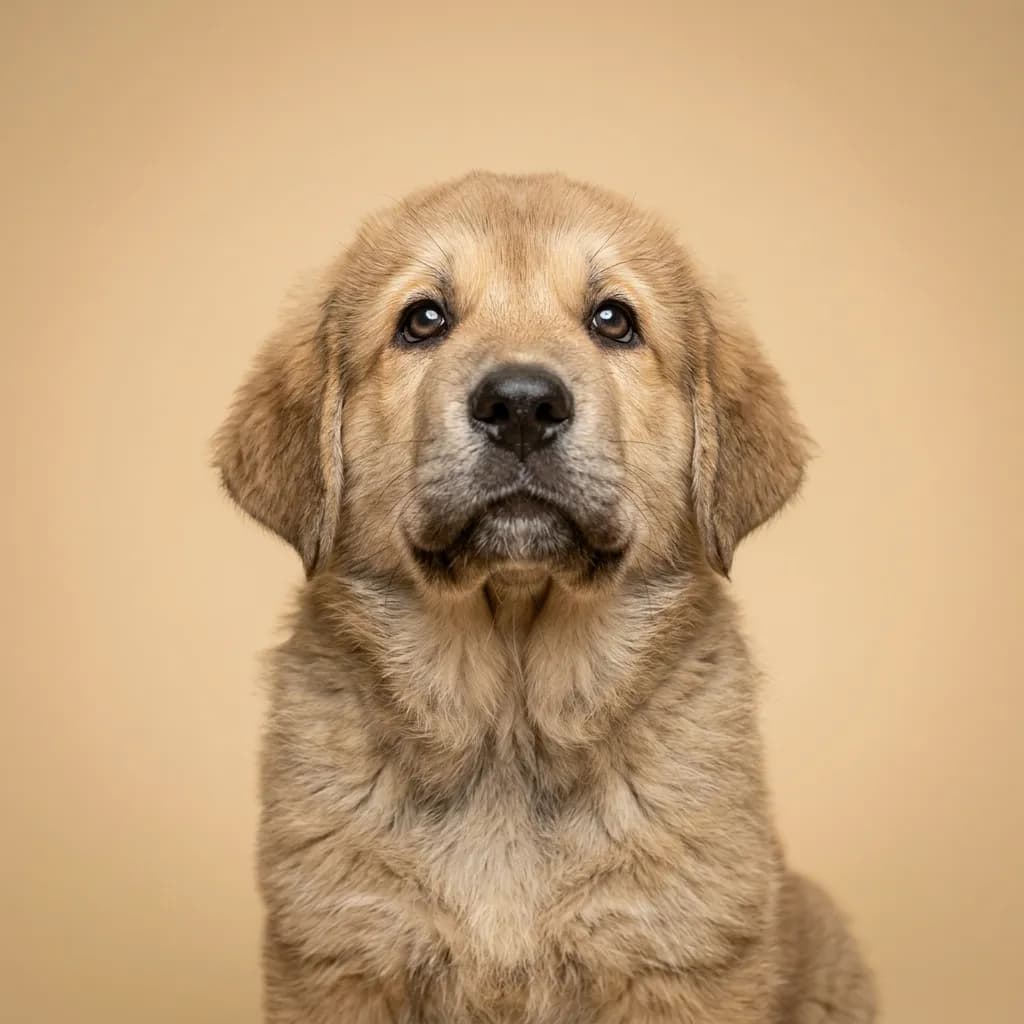
People compare the Kuvasz and Spanish Mastiff because they’re both massive, white, livestock guardian breeds with a dignified presence and a job description that boils down to “protect everything, quietly.” But beneath that similar resume, they’re built for different kinds of strength and different kinds of homes. The Kuvasz is the more agile of the two. At up to 115 pounds and just under 30 inches, he’s still big, but he moves with a springy athleticism that made him ideal for patrolling mountainous Hungarian pastures. He’s more responsive to training, scores higher on obedience, and bonds intensely with his family. You’ll find him leaning against you after a long day of guarding, all 100+ pounds of him trying to be a lap dog. He barks when needed but isn’t a constant noise machine. Still, he needs space, cold weather, and an owner who understands that “fearless” means he’ll take on a wolf without hesitation. The Spanish Mastiff is in another weight class. literally. At 140 to 200 pounds and up to 35 inches, this dog is a moving fortress. Bred to walk for weeks with flocks across Spain, he’s built for endurance, not agility. He’s quieter, less eager to please, and more independent. Training requires patience; he’s not stubborn, just deeply thoughtful. His calm is impressive, but his size alone makes him a poor fit for anything short of a rural estate. Here’s the real talk: both need experienced hands, but the Kuvasz wants to be part of your daily rhythm. The Spanish Mastiff? He’ll guard your land like a silent sentinel, but he may not care if you’re there at all. Choose the Kuvasz if you want a devoted, trainable giant. Choose the Spanish Mastiff if you need a living barrier. and you’re okay with a dog that views you as just part of the property.
Trait-by-trait
Higher bar = more of that trait. Shedding, barking, drooling, grooming flipped for readability.Where they diverge
Choose the Kuvasz if…
- Experienced dog owners
- Rural or farm settings
- Cold climates
- You value adaptability — Kuvasz scores noticeably higher.
Choose the Spanish Mastiff if…
- Experienced large-breed owners
- Farm or rural settings
- Livestock guardian needs
- You value drooling level — Spanish Mastiff scores higher here.