Labrador Retriever vs Mountain Cur
Side-by-side comparison across all 14 AKC trait ratings, with a clear verdict on which breed fits which kind of household.
Not sure which breed fits your life?
Answer five questions about your home, your schedule, and your tolerance for shedding. We’ll match you to your top three breeds from over 200.
Labrador Retriever vs Mountain Cur
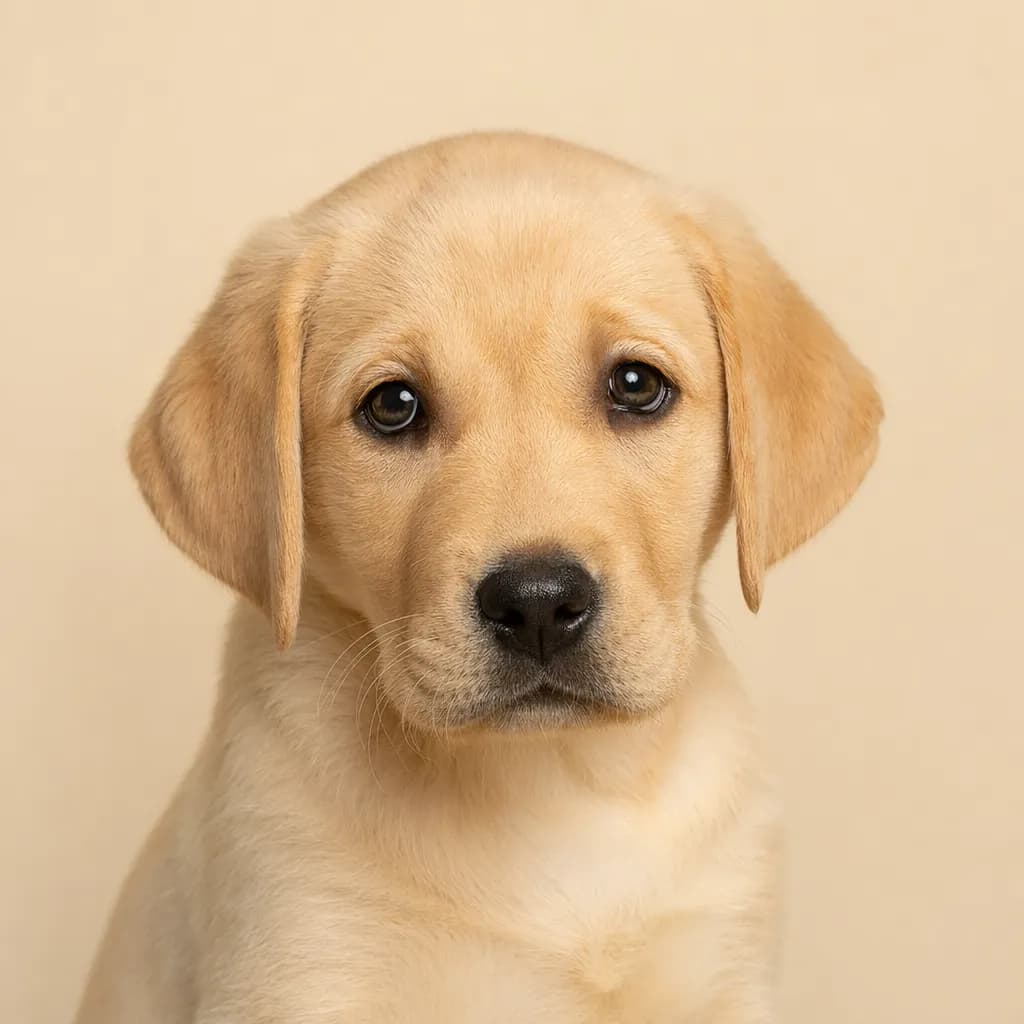
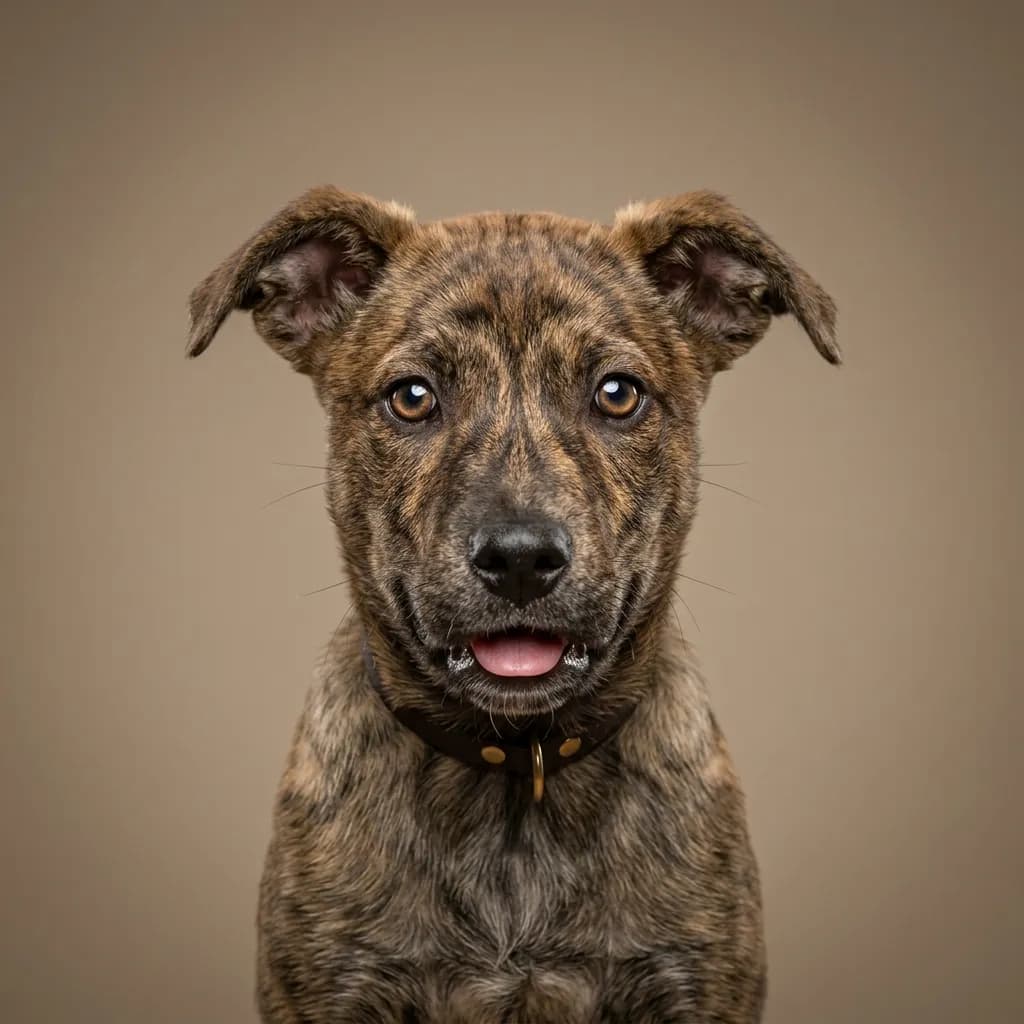
People compare Labrador Retrievers and Mountain Curs because both are working dogs with big personalities and high energy. On paper, they’re both active, loyal, and built for outdoor life. But in reality, they’re built for completely different kinds of people and lifestyles. The Lab is the all-terrain family tank. Friendly with everyone, easy to train, and practically born with a wagging tail, they thrive in homes with kids, first-time owners, or anyone who wants a dog that fits into life like a missing puzzle piece. Labs adapt to suburbs, apartments with yard access, even service work. But they shed heavily, need constant activity, and without enough mental stimulation, they’ll redecorate your couch. They’re bred to please, so they respond to training like a student eager to pass. The Mountain Cur is a different beast. Bred in the hollers of the Appalachians to tree squirrels and bay bears, this dog is independent, suspicious of strangers, and thrives in rural settings. They’re not unfriendly, but they’re not handing out hugs to visitors. Training a Cur takes patience and consistency; they’ll test you. They’re not built for city life or passive owners. But in the right hands. a hunter, a farmer, someone who hikes deep woods. they’re fiercely loyal and dialed in. Here’s the real difference: Labs want to be part of your life. Mountain Curs want to work alongside you. If you’re looking for a companion who’s always with the program, go Lab. If you want a capable partner for a rugged, outdoor life and you’ve got experience reading dog behavior, the Cur might be your match. Just don’t expect either to lie around.
Trait-by-trait
Higher bar = more of that trait. Shedding, barking, drooling, grooming flipped for readability.Where they diverge
Choose the Labrador Retriever if…
- Families with children
- First-time owners
- Active individuals
- You value good with young children — Labrador Retriever scores noticeably higher.
Choose the Mountain Cur if…
- Active outdoor owners
- Hunters
- Rural or farm settings