Chesapeake Bay Retriever vs Labrador Retriever
Side-by-side comparison across all 14 AKC trait ratings, with a clear verdict on which breed fits which kind of household.

Not sure which breed fits your life?
Answer five questions about your home, your schedule, and your tolerance for shedding. We’ll match you to your top three breeds from over 200.
Chesapeake Bay Retriever vs Labrador Retriever
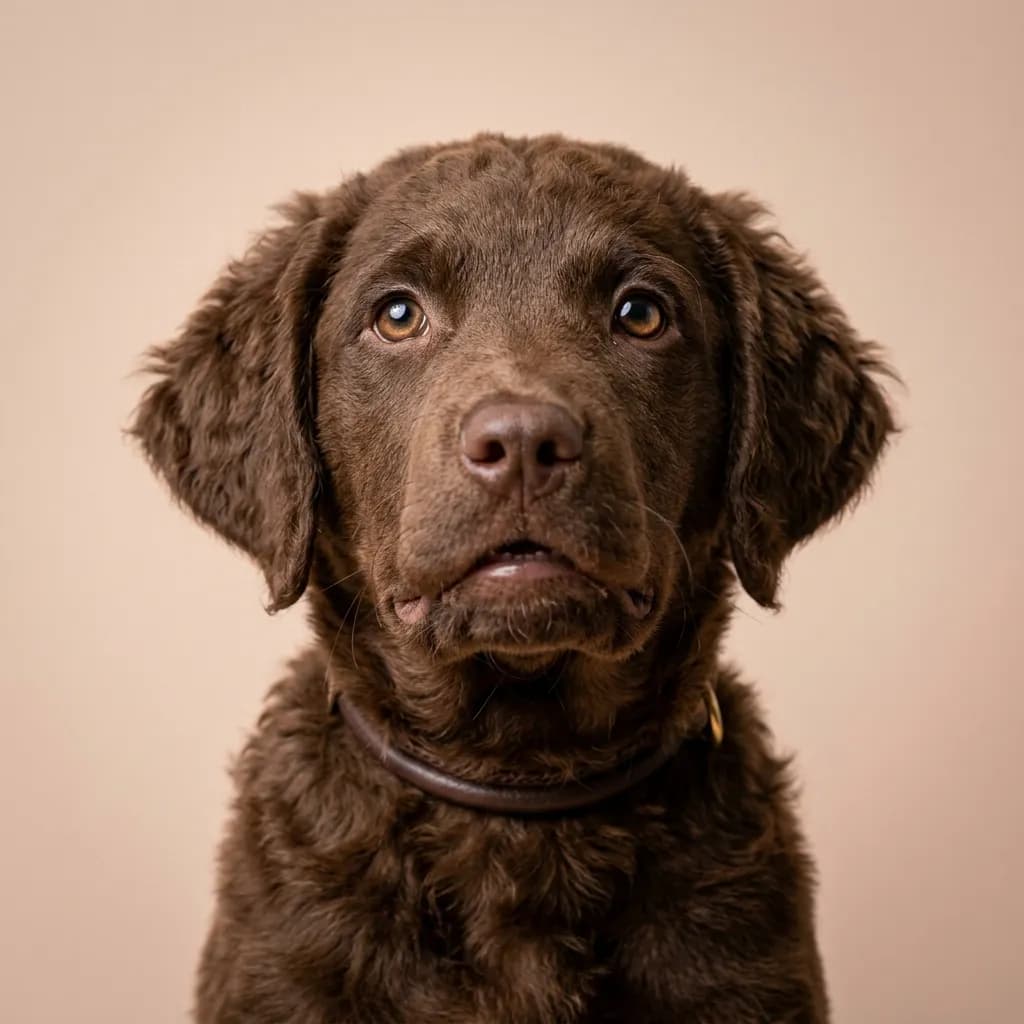
You’re probably comparing these two because they’re both big, sturdy, water-loving retrievers that look vaguely similar from a distance. But spend a weekend with each and you’ll realize they’re built for different worlds. The Labrador is the people person of the dog world. Friendly with everyone, easy to train, thriving in chaos, it’s no wonder they’re America’s most popular dog. They’re the golden retriever’s more athletic cousin, with a wagging tail that never quits and a love for kids that’s basically unconditional. If you want a dog that fits into almost any home, learns quickly, and will happily nap on the apartment floor after a park visit, the Lab’s your guy. The Chessie? That’s a different beast. Bred to power through icy waves off the Chesapeake, this dog’s got grit. They’re smart and trainable, yes, but they’re also more independent, more reserved with strangers, and form tighter bonds with their family. They won’t shed quite as much as a Lab, but don’t be fooled. both will leave fur on your black pants. Where the Lab bounces from person to person, the Chessie picks a favorite and sticks close. They’re less “everyone’s best friend” and more “your loyal protector.” Here’s the real talk: if you’re a first-time owner or live in a condo, skip the Chessie. They need purpose, space, and cold-weather activity to stay happy. Labs adapt; Chessies demand. But if you’re an active hunter, live near water, and want a dog that’s deeply attuned to you, the Chessie’s quiet intensity might just steal your heart. And one thing no chart tells you: Chessies laugh. Not a bark, not a whine. actual chuckles when they’re pleased. It’s eerie. It’s magical. You’ll know it when you hear it.
Trait-by-trait
Higher bar = more of that trait. Shedding, barking, drooling, grooming flipped for readability.Where they diverge
Choose the Chesapeake Bay Retriever if…
- Active families
- Hunters and waterfowlers
- Cold and wet climate owners
- You value coat grooming — Chesapeake Bay Retriever scores noticeably higher.
Choose the Labrador Retriever if…
- Families with children
- First-time owners
- Active individuals
- You value good with young children — Labrador Retriever scores higher here.