Lancashire Heeler vs Papillon
Side-by-side comparison across all 14 AKC trait ratings, with a clear verdict on which breed fits which kind of household.
Not sure which breed fits your life?
Answer five questions about your home, your schedule, and your tolerance for shedding. We’ll match you to your top three breeds from over 200.
Lancashire Heeler vs Papillon
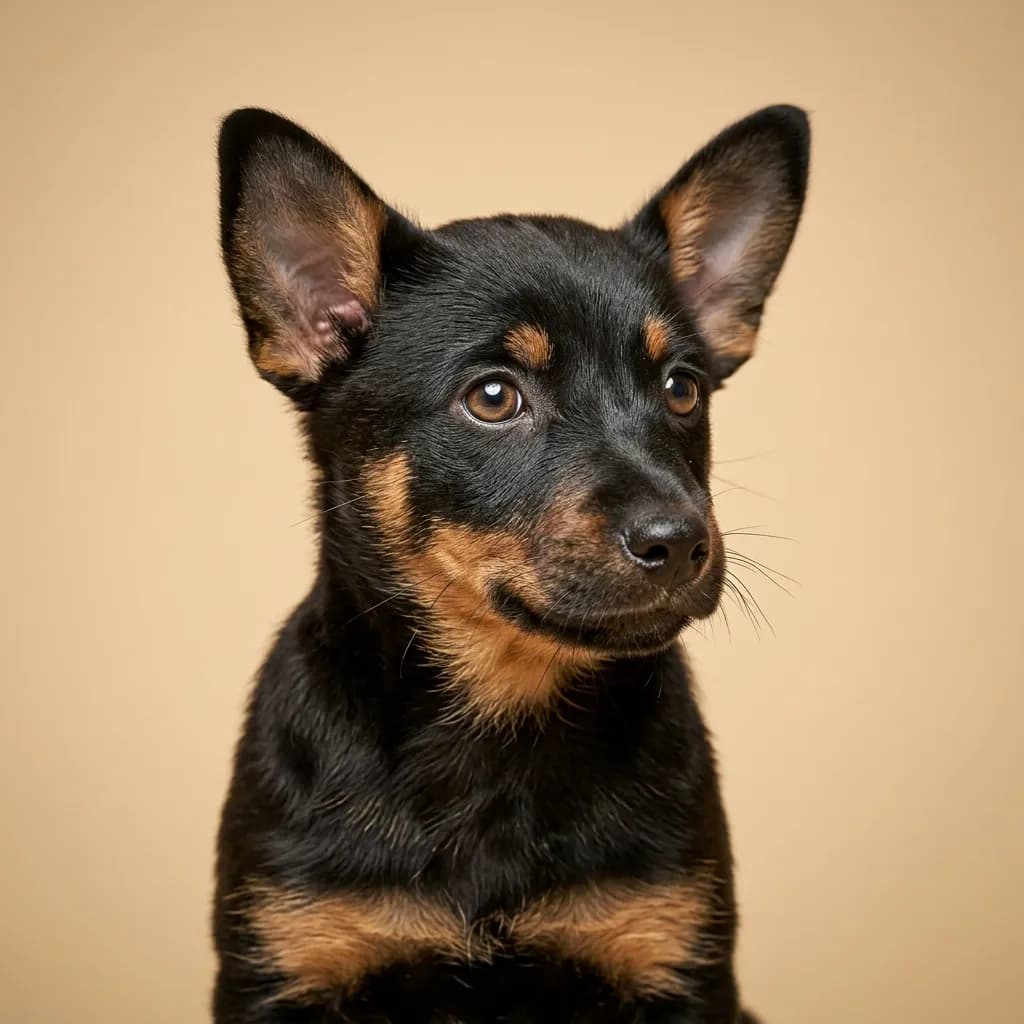
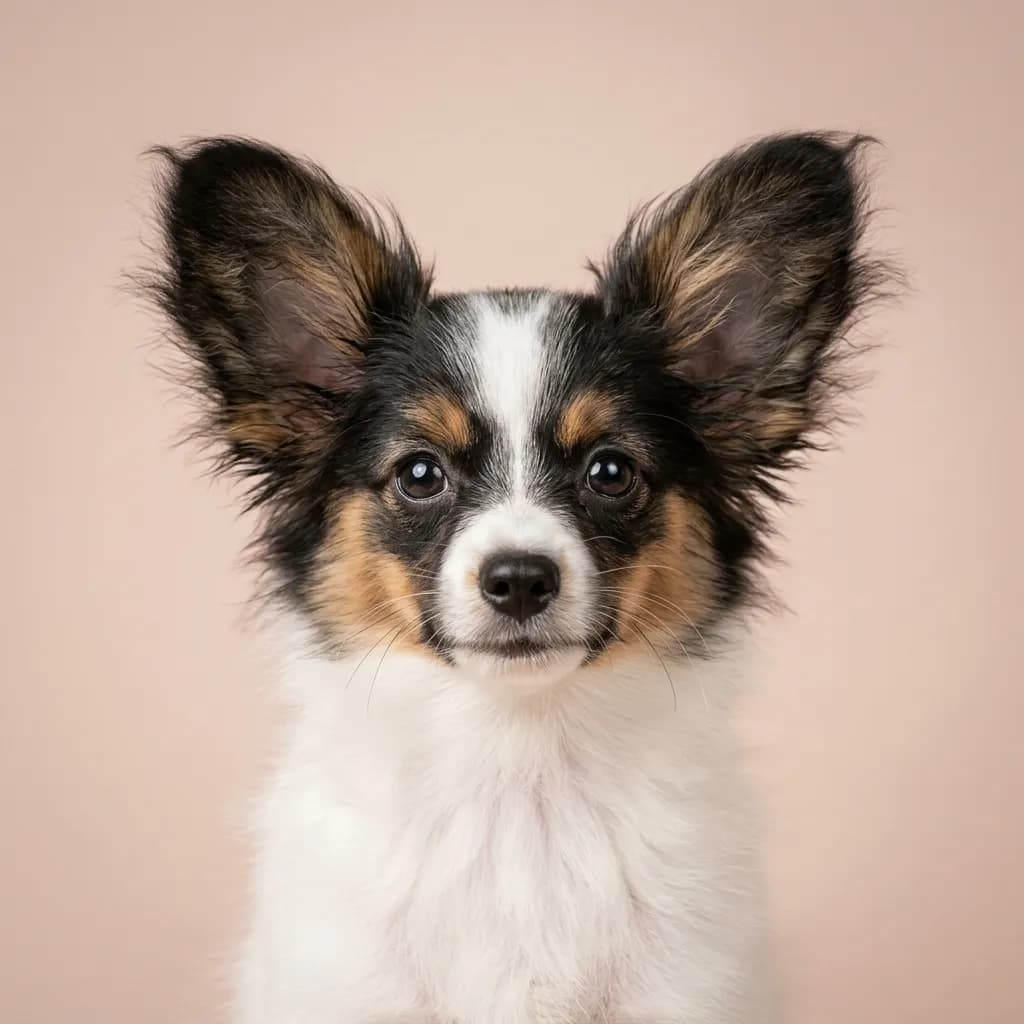
People compare Lancashire Heelers and Papillons because they’re both small, brainy dogs that punch above their weight in personality and energy. But that’s where the similarities end. Think of it like this: one was built for farm work in the rainy English countryside, the other was pampered in royal palaces on velvet cushions. The Lancashire Heeler is a tough little herder, built to move cattle and chase rats. He’s scrappy, confident, and needs a job. You’ll love his loyalty and his goofy affection, but he’s not delicate. He’ll dig in the yard, bark at the mail truck, and try to “herd” your kids at the park. He’s great with older kids who can keep up, but his energy and moderate prey drive mean he might not know his own strength around toddlers or tiny pets. The Papillon, on the other hand, is pure joy in motion. Those butterfly ears catch every sound, and he’s always ready to learn a trick or two. He’s fearless, smart as a whip, and thrives on connection. He’ll learn 20 commands faster than most dogs learn 5. But don’t be fooled by the dainty looks. This isn’t a couch ornament. He barks at everything, needs constant mental stimulation, and will suffer if left alone too long. Here’s the real difference: the Heeler wants to work with you on a project, while the Papillon wants to impress you in the spotlight. If you’re active, experienced, and want a rugged little partner, go Heeler. If you live in an apartment, love training games, and want a dog that’s always “on,” the Papillon’s your match. And one honest truth: both are high-maintenance in spirit. They’re not quiet, easy dogs. You’re signing up for a relationship, not a pet.
Trait-by-trait
Higher bar = more of that trait. Shedding, barking, drooling, grooming flipped for readability.Where they diverge
Choose the Lancashire Heeler if…
- Active families
- Experienced dog owners
- Rural or farm settings
- You value good with other dogs — Lancashire Heeler scores noticeably higher.
Choose the Papillon if…
- Apartment living
- Active owners
- Families with older children
- You value affectionate w/ family — Papillon scores higher here.