Lancashire Heeler vs Puli
Side-by-side comparison across all 14 AKC trait ratings, with a clear verdict on which breed fits which kind of household.
Not sure which breed fits your life?
Answer five questions about your home, your schedule, and your tolerance for shedding. We’ll match you to your top three breeds from over 200.
Lancashire Heeler vs Puli
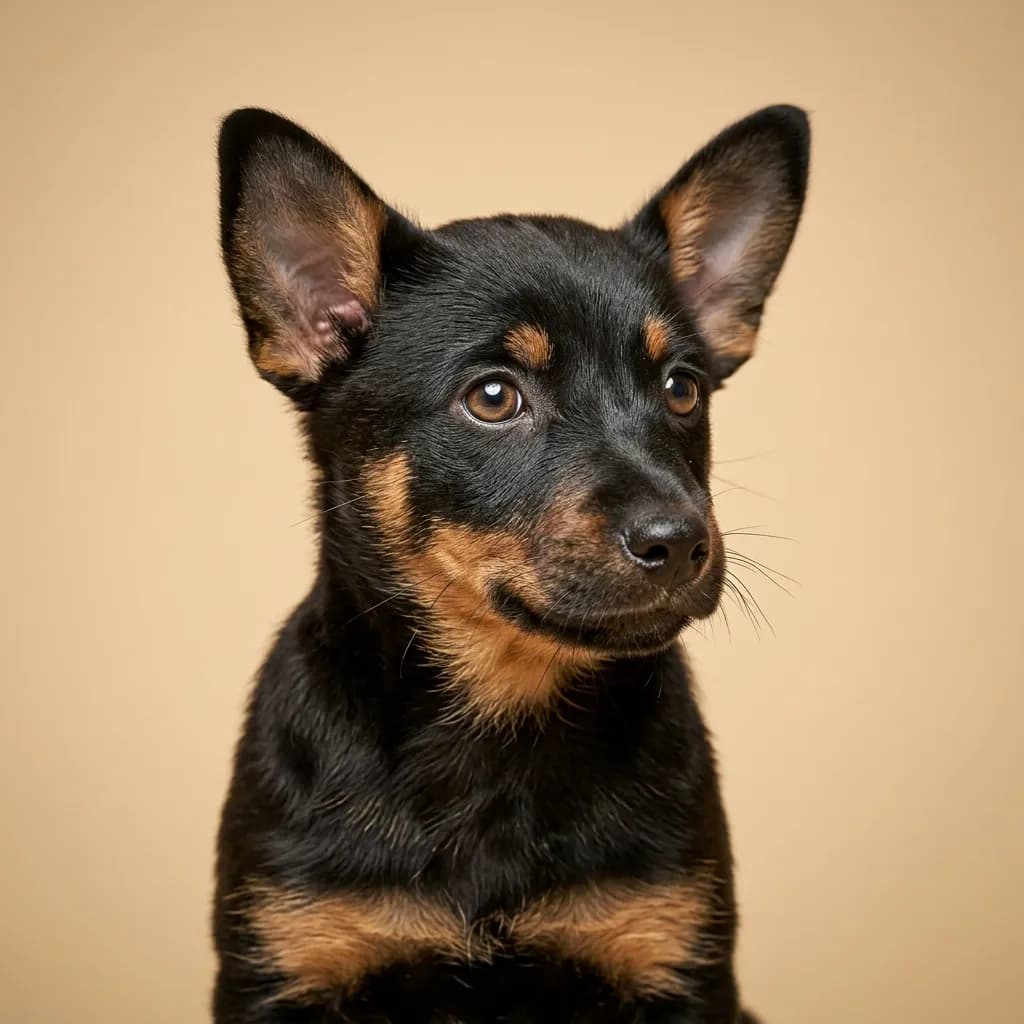
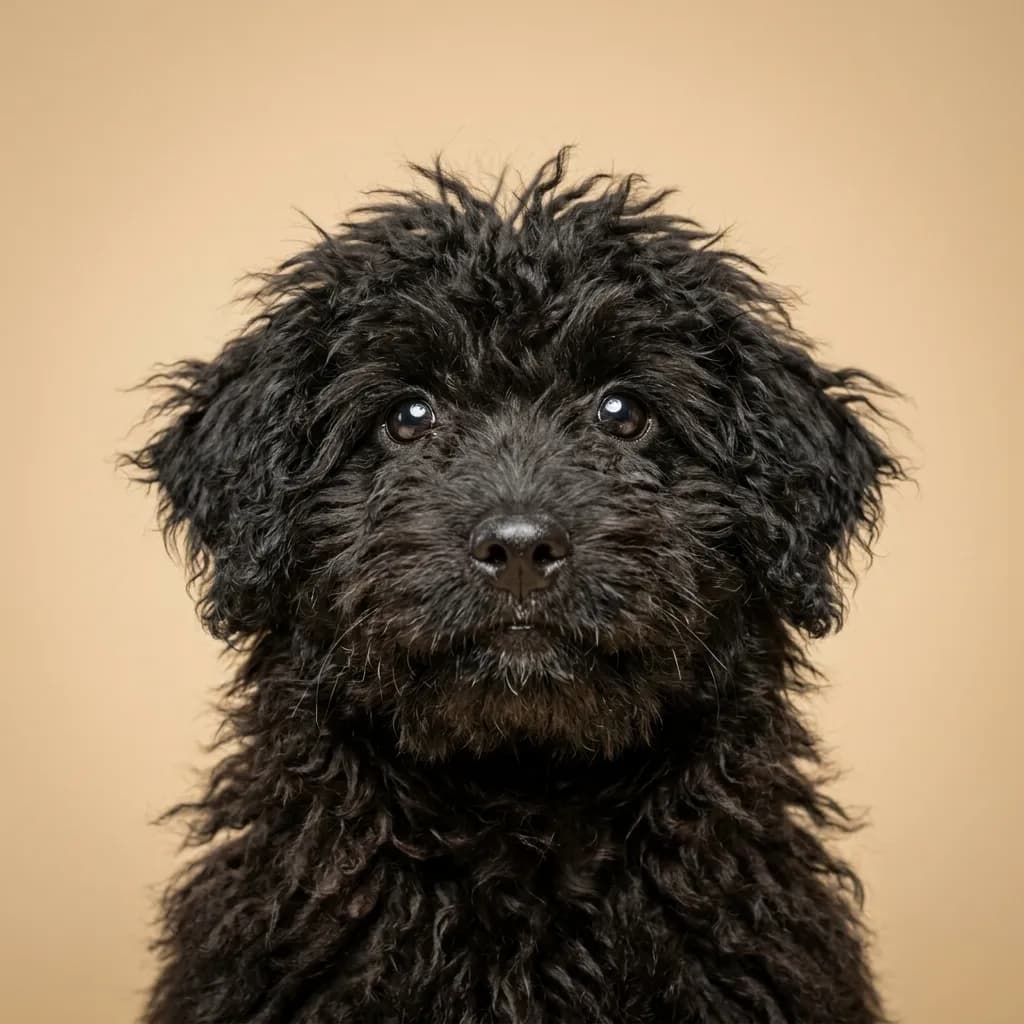
People compare Lancashire Heelers and Pulis because both are compact, clever herding breeds with big personalities and a certain “rare dog” magnetism. They’re not your average Lab or Corgi, but they’re not so obscure they’re impossible to find. And both demand involvement. mentally and physically. from their owners. But that’s where the real similarities end. The Lancashire Heeler is a pocket-sized dynamo, built for speed and precision. At just 10 inches tall and under 17 pounds, this little guy was bred to nip cattle heels and bolt rats, which means he’s got a high engine and a sharp eye for movement. He’ll keep you on your toes. sometimes literally. with his barking and boldness. He’s great with kids, but if you’ve got a hamster or a rabbit, think twice. His prey drive isn’t negotiable. The Puli, meanwhile, looks like a mop with eyes. but don’t let that fool you. This is a 35-pound herding athlete with a coat that needs serious upkeep. Corded from puppyhood, those dreadlocks trap dirt, debris, and bath time for the next decade. But if you’re into grooming rituals and don’t mind looking weird at the dog park, the Puli bonds fiercely and thrives on mental puzzles. Here’s the real difference: the Heeler is a sprinter with a watchdog’s bark and a terrier’s grit. The Puli is a thinker, deeply loyal, built for long hours working alongside a shepherd. Pick the Heeler if you want a bold, agile sidekick for farm life or dog sports. Pick the Puli if you’re ready for a grooming commitment and want a devoted, intelligent partner. And here’s the thing no one talks about: both breeds are prone to being one-person dogs. You’ll earn their loyalty, but you’ve got to work for it. and keep working.
Trait-by-trait
Higher bar = more of that trait. Shedding, barking, drooling, grooming flipped for readability.Where they diverge
Choose the Lancashire Heeler if…
- Active families
- Experienced dog owners
- Rural or farm settings
- You value good with young children — Lancashire Heeler scores noticeably higher.
Choose the Puli if…
- Active families
- Experienced dog owners
- Those wanting a unique coat
- You value coat grooming — Puli scores higher here.