Lancashire Heeler vs Vizsla
Side-by-side comparison across all 14 AKC trait ratings, with a clear verdict on which breed fits which kind of household.

Not sure which breed fits your life?
Answer five questions about your home, your schedule, and your tolerance for shedding. We’ll match you to your top three breeds from over 200.
Lancashire Heeler vs Vizsla
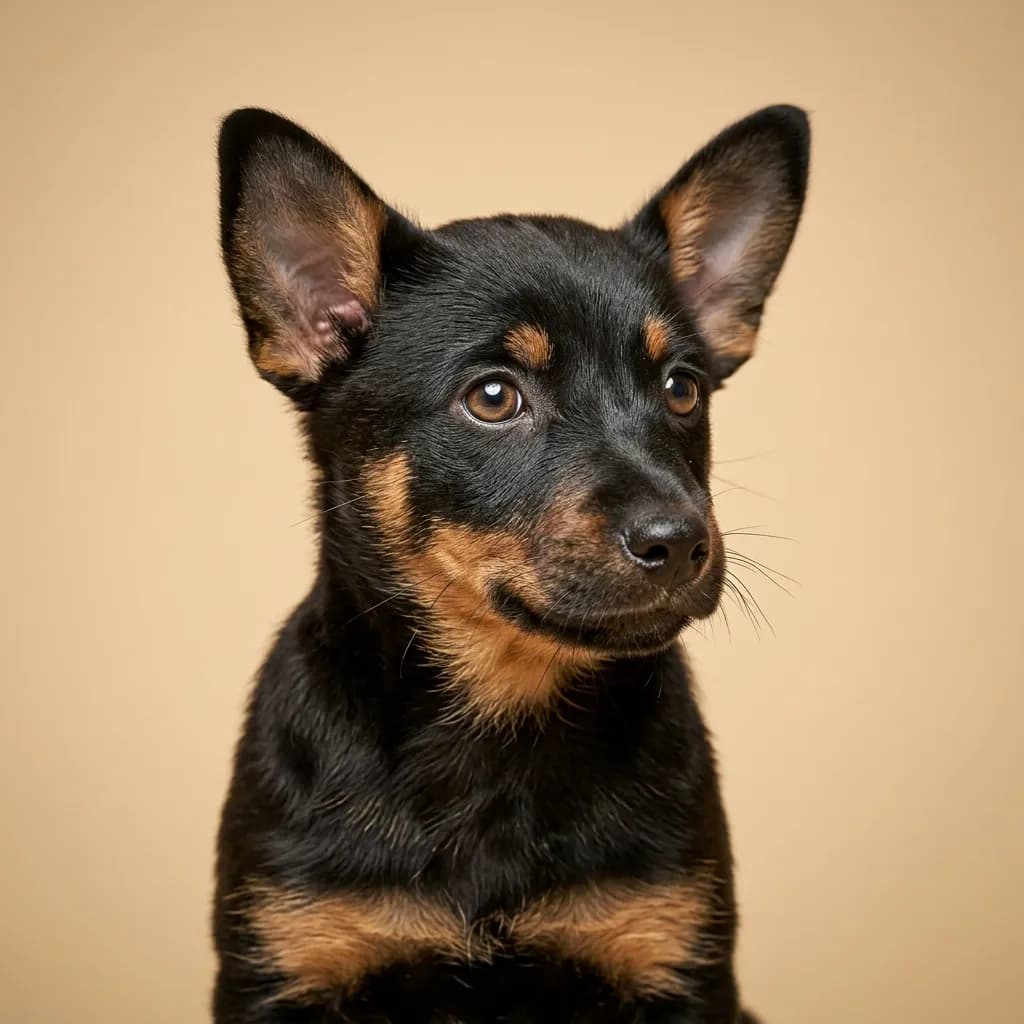
You probably wouldn’t compare a Lancashire Heeler and a Vizsla if you weren’t drawn to high-energy, affectionate dogs that thrive on being part of the action. People pit them against each other because both are loyal, smart, and great with kids, but that’s where the similarity ends. Think of it like choosing between a turbocharged go-kart and a sleek endurance runner. The Lancashire Heeler is small but mighty, built for darting around farms and outsmarting stubborn cattle. At under 17 pounds, it’s easy to overlook their intensity. They’re barkers, clever in a mischievous way, and need firm, experienced handling. They’re fantastic with kids but might try to herd them. If you live on a rural property or love dog sports like agility, this little guy will impress you daily. But if you’re gone all day or new to dog ownership, you’ll be outmatched. The Vizsla? Picture a 55-pound golden rocket wrapped in warm, rust-colored fur. Bred to hunt all day across Hungarian fields, they demand serious exercise and constant companionship. They’re not just active, they’re emotionally dependent. Leave them alone too long and they’ll redecorate your couch. But if you’re a runner, hiker, or hunter, they’ll be your shadow. They’re gentle with older kids and adapt well to suburban life. provided you meet their energy needs. Here’s the real talk: the Heeler will test your leadership, the Vizsla will test your availability. Pick the Heeler if you want a sharp, compact farmhand with big-dog attitude. Pick the Vizsla if you want a velcro hunter who needs to be included in every part of your life. One’s a pocket-sized dynamo, the other a full-bodied partner. Neither forgives a lazy routine.
Trait-by-trait
Higher bar = more of that trait. Shedding, barking, drooling, grooming flipped for readability.Where they diverge
Choose the Lancashire Heeler if…
- Active families
- Experienced dog owners
- Rural or farm settings
- You value good with other dogs — Lancashire Heeler scores noticeably higher.
Choose the Vizsla if…
- Active families
- Runners and cyclists
- Hunters
- You value affectionate w/ family — Vizsla scores higher here.