Lapponian Herder vs Mountain Cur
Side-by-side comparison across all 14 AKC trait ratings, with a clear verdict on which breed fits which kind of household.
Not sure which breed fits your life?
Answer five questions about your home, your schedule, and your tolerance for shedding. We’ll match you to your top three breeds from over 200.
Lapponian Herder vs Mountain Cur
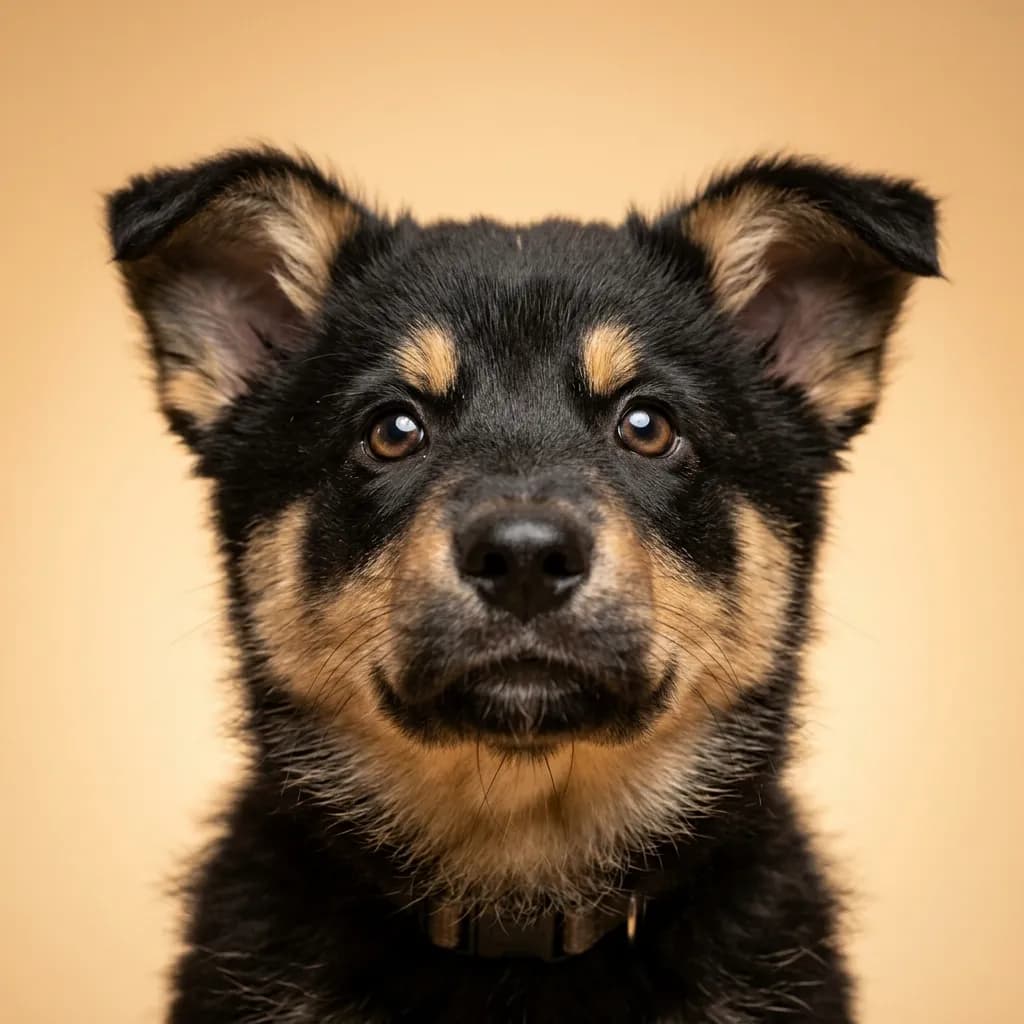
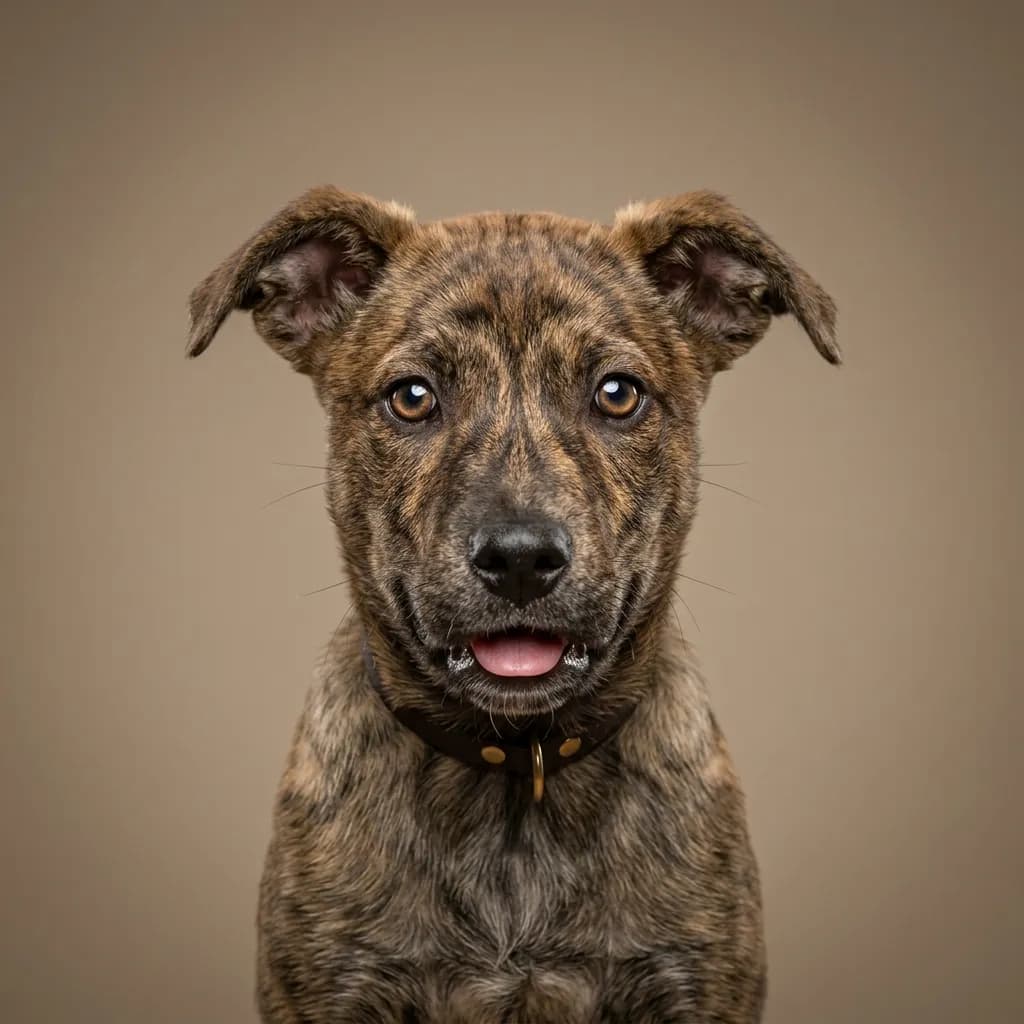
People compare the Lapponian Herder and the Mountain Cur because both are rugged, working breeds built for tough environments and active owners. But that’s where the similarities end. Think of it like this: one was born to run with reindeer across Arctic tundra, the other to tree raccoons in the backwoods of Tennessee. The Lapponian Herder thrives in cold climates and structured activity. You’ll see that spark in their eye when they’re out hiking in the snow or mastering a new trick. They’re deeply bonded to their people, eager to please, and surprisingly social for a herding dog. But don’t be fooled by their fluffy charm. They need serious mental and physical output. Without it, that intelligence turns into problem-solving you didn’t ask for. like figuring out how to open the treat cabinet. Families in snowy regions who love dog sports or sledding will find a true partner here. The Mountain Cur is tougher to crack. Reserved with strangers and stubborn by nature, this dog isn’t about impressing you. It’s about getting the job done. Bred to hunt everything from squirrels to bear, it’s independent, relentless, and happiest when working land or trailing game. Training requires patience and consistency. This isn’t a dog that follows commands out of devotion. it follows because it respects your leadership. First-time owners will struggle. Here’s the real difference: the Lapponian Herder wants to be your teammate. The Mountain Cur wants to be your lieutenant. Pick the Herder if you want a loyal, trainable companion in cold, active lifestyles. Choose the Cur if you’re an experienced handler who values grit over greetings. And no, neither will do in an apartment. You’ll both be miserable.
Trait-by-trait
Higher bar = more of that trait. Shedding, barking, drooling, grooming flipped for readability.Where they diverge
Choose the Lapponian Herder if…
- active families
- cold climates
- herding and working dog enthusiasts
- You value coat grooming — Lapponian Herder scores noticeably higher.
Choose the Mountain Cur if…
- Active outdoor owners
- Hunters
- Rural or farm settings
- You value energy level — Mountain Cur scores higher here.