Lapponian Herder vs Norwegian Elkhound
Side-by-side comparison across all 14 AKC trait ratings, with a clear verdict on which breed fits which kind of household.
Not sure which breed fits your life?
Answer five questions about your home, your schedule, and your tolerance for shedding. We’ll match you to your top three breeds from over 200.
Lapponian Herder vs Norwegian Elkhound
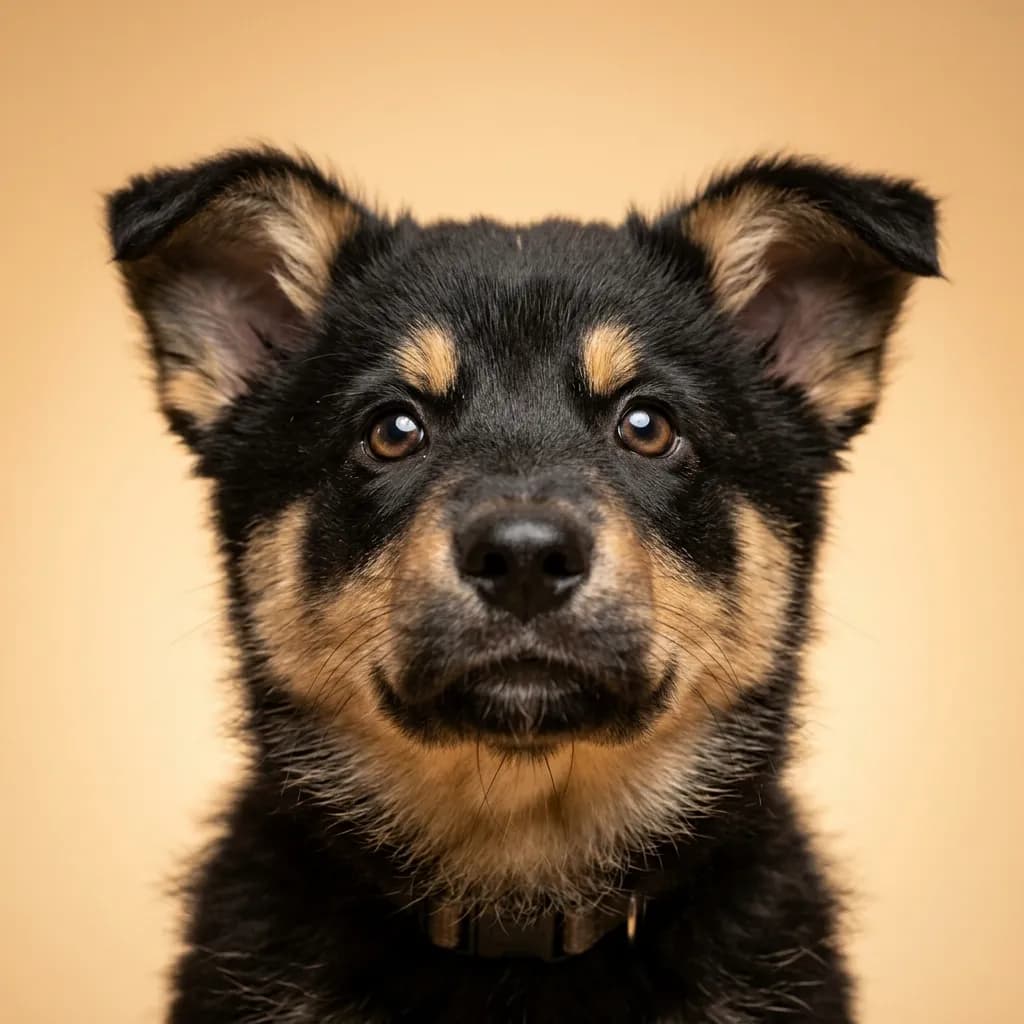
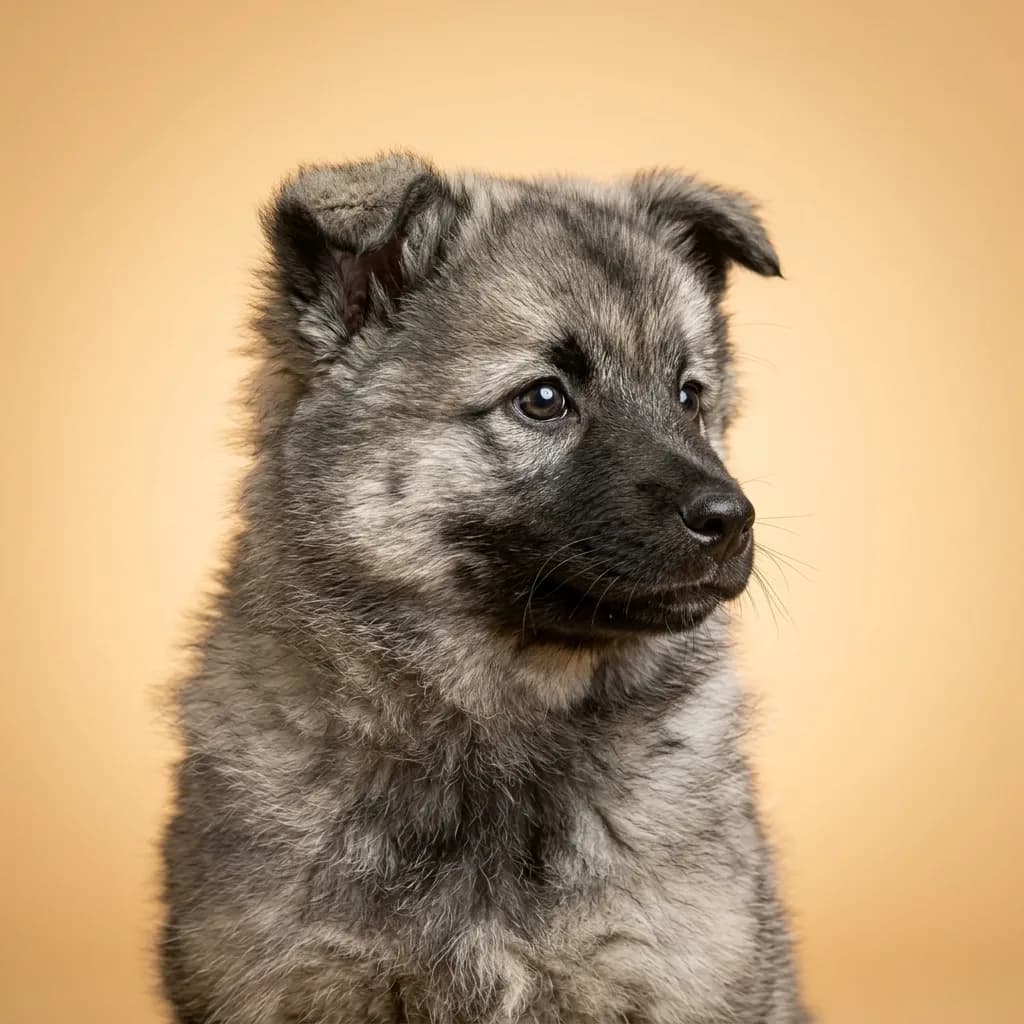
You’re not actually comparing these two breeds because they’re alike. You’re comparing them because they look like the kind of dogs that could survive the apocalypse. fluffy, wolfy, built for snow and purpose. And sure, both are Nordic, medium to large, and bark like they mean it. But that’s where the trail splits. The Lapponian Herder was made for motion. For centuries, it worked with the Sami people, herding reindeer across frozen tundras. This dog lives to move with intent. It’s sharp, driven, and needs a job that challenges its brain and body equally. You don’t just take it for a walk. You plan hikes, try dog sports, or teach it tricks just to keep up. It’s affectionate but focused. Great with active older kids, less so with toddlers. it might try to herd them. The Norwegian Elkhound stands a little shorter, packs less weight, but carries more attitude. Bred to track moose. yes, moose. it’s bold, independent, and wired to alert. It’ll bark at a squirrel three ridges over. But it’s also deeply loyal, more adaptable to suburban life than the Herder, and tends to glue itself to one person. Think of it as the brave camp guard who also wants to sleep in the tent. Here’s the real difference: the Herder thrives on partnership. The Elkhound thrives on purpose. If you’re logging 20 miles a week on trails and want a teammate, go Herder. If you want a fearless companion who’ll greet every hike. and mailman. with equal gusto, the Elkhound fits. Just don’t expect silence, and do expect fur on everything. Both shed year-round, but the Elkhound’s dense undercoat doubles as a lint roller’s worst enemy.
Trait-by-trait
Higher bar = more of that trait. Shedding, barking, drooling, grooming flipped for readability.Where they diverge
Choose the Lapponian Herder if…
- active families
- cold climates
- herding and working dog enthusiasts
Choose the Norwegian Elkhound if…
- Active families
- Cold climate dwellers
- Outdoor and hiking enthusiasts
- You value affectionate w/ family — Norwegian Elkhound scores higher here.