Lapponian Herder vs Pekingese
Side-by-side comparison across all 14 AKC trait ratings, with a clear verdict on which breed fits which kind of household.

Not sure which breed fits your life?
Answer five questions about your home, your schedule, and your tolerance for shedding. We’ll match you to your top three breeds from over 200.
Lapponian Herder vs Pekingese
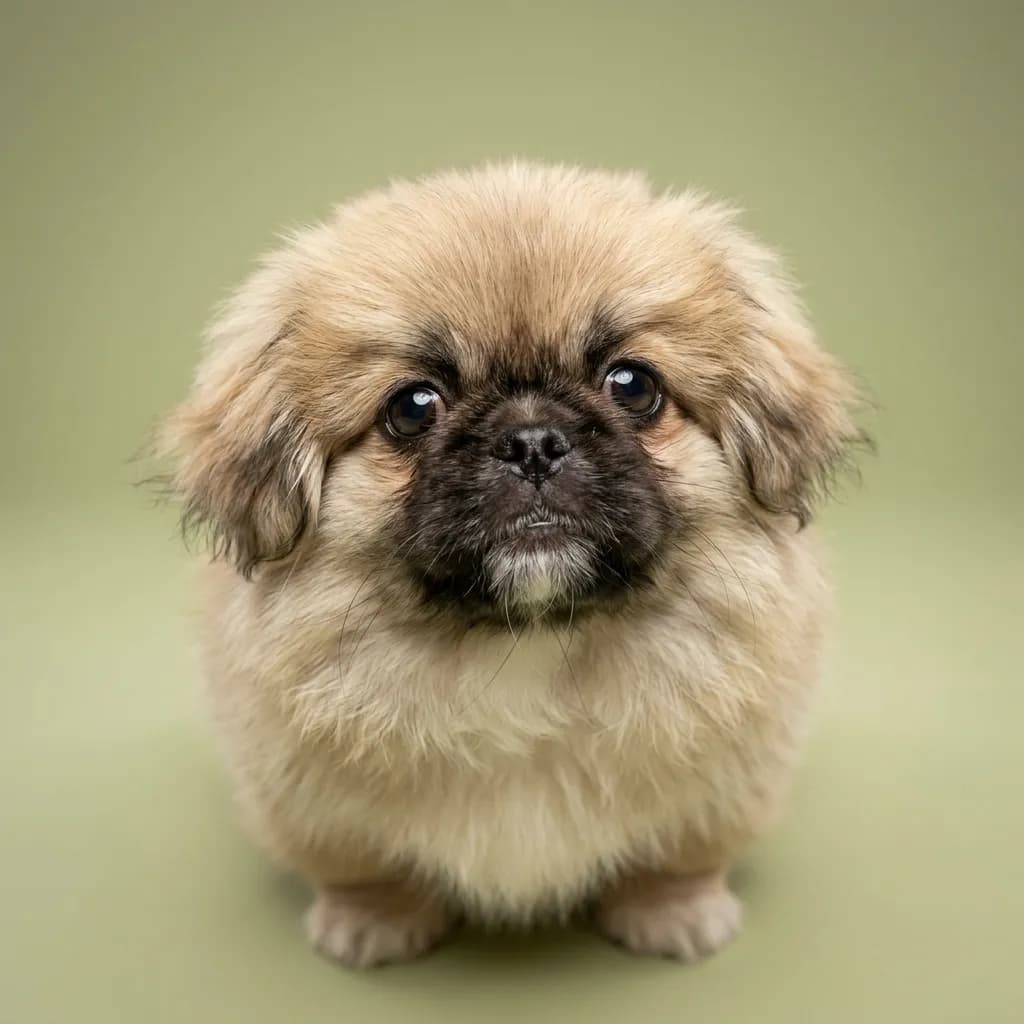
You might wonder why anyone would compare a Lapponian Herder and a Pekingese. one’s a rugged Arctic herder, the other a regal lapdog from Chinese palaces. But people do, usually because they’re drawn to Nordic looks or ancient breeds and get curious down the rabbit hole. That’s where the similarities end. The Lapponian Herder is built for motion. Think long winters, vast snowy landscapes, and a dog that wants to work alongside you. At 70 pounds and packed with energy, this breed thrives when it has a job. whether that’s hiking 10 miles or mastering obedience drills. It’s smart, responsive, and bonds deeply with active families, but don’t expect it to nap all day. It needs space, cold weather, and mental challenges. Without them, it gets restless and loud. The Pekingese is its opposite in pace, not personality. Tiny, flat-faced, and dignified, it weighs just 14 pounds and moves like it’s considering the philosophical weight of each step. Bred for silk cushions, not trails, it’s content lounging in an apartment, attached to your side with quiet loyalty. It doesn’t bark much, doesn’t need walks, but demands attention in subtle ways. like side-eye if you dare sit without offering lap space. Families wanting adventure should look northward to the Herder. Seniors or city dwellers wanting a devoted, low-mileage companion will adore the Pekingese. Here’s the truth beyond the stats: the Pekingese may look fragile, but it’s stubborn as stone. And the Lapponian Herder? It’s friendly, yes, but don’t mistake its warmth for obedience. it’s a thinker, easily bored, and will test you if you’re not consistent. Pick the Herder if you want a partner in motion. Pick the Pekingese if you want a furry monarch who tolerates your service.
Trait-by-trait
Higher bar = more of that trait. Shedding, barking, drooling, grooming flipped for readability.Where they diverge
Choose the Lapponian Herder if…
- active families
- cold climates
- herding and working dog enthusiasts
- You value barking level — Lapponian Herder scores noticeably higher.
Choose the Pekingese if…
- Apartment living
- Seniors
- Singles or couples
- You value affectionate w/ family — Pekingese scores higher here.