Lapponian Herder vs Shiba Inu
Side-by-side comparison across all 14 AKC trait ratings, with a clear verdict on which breed fits which kind of household.
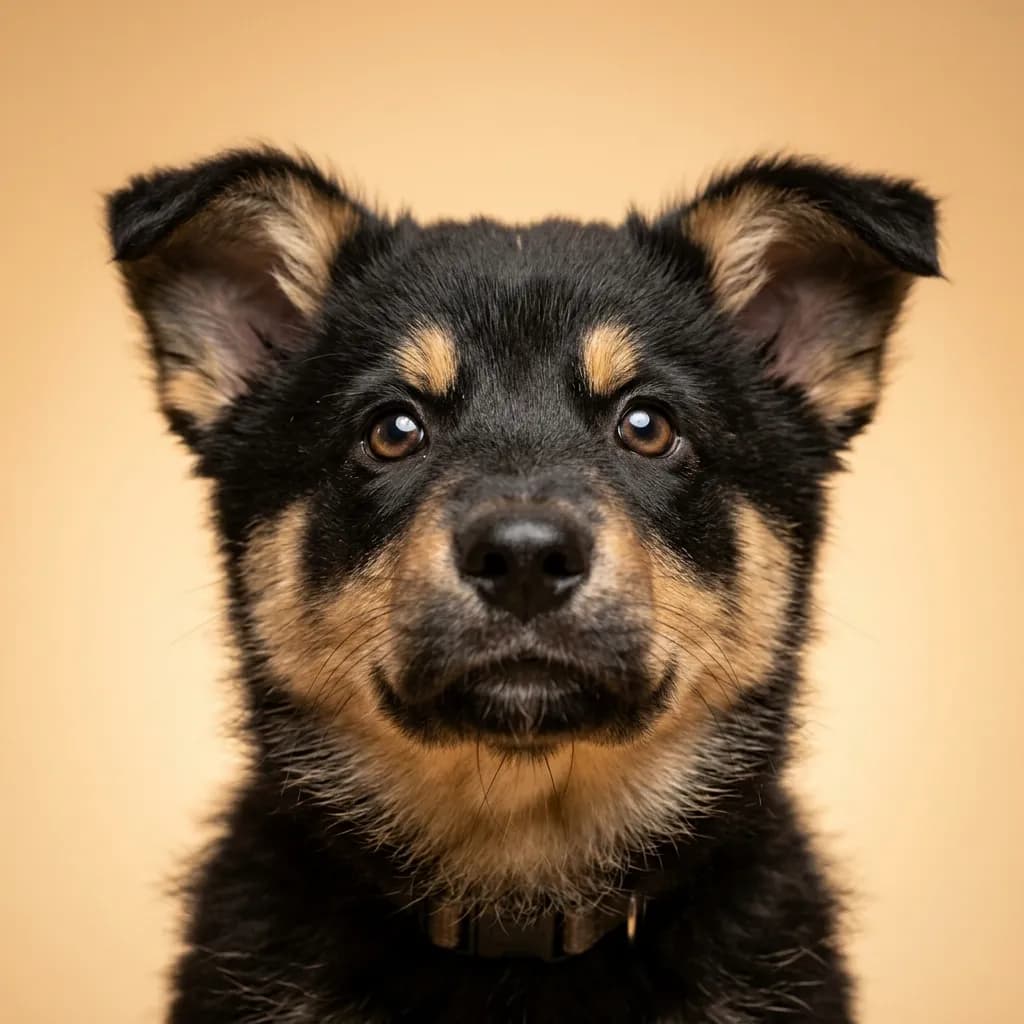
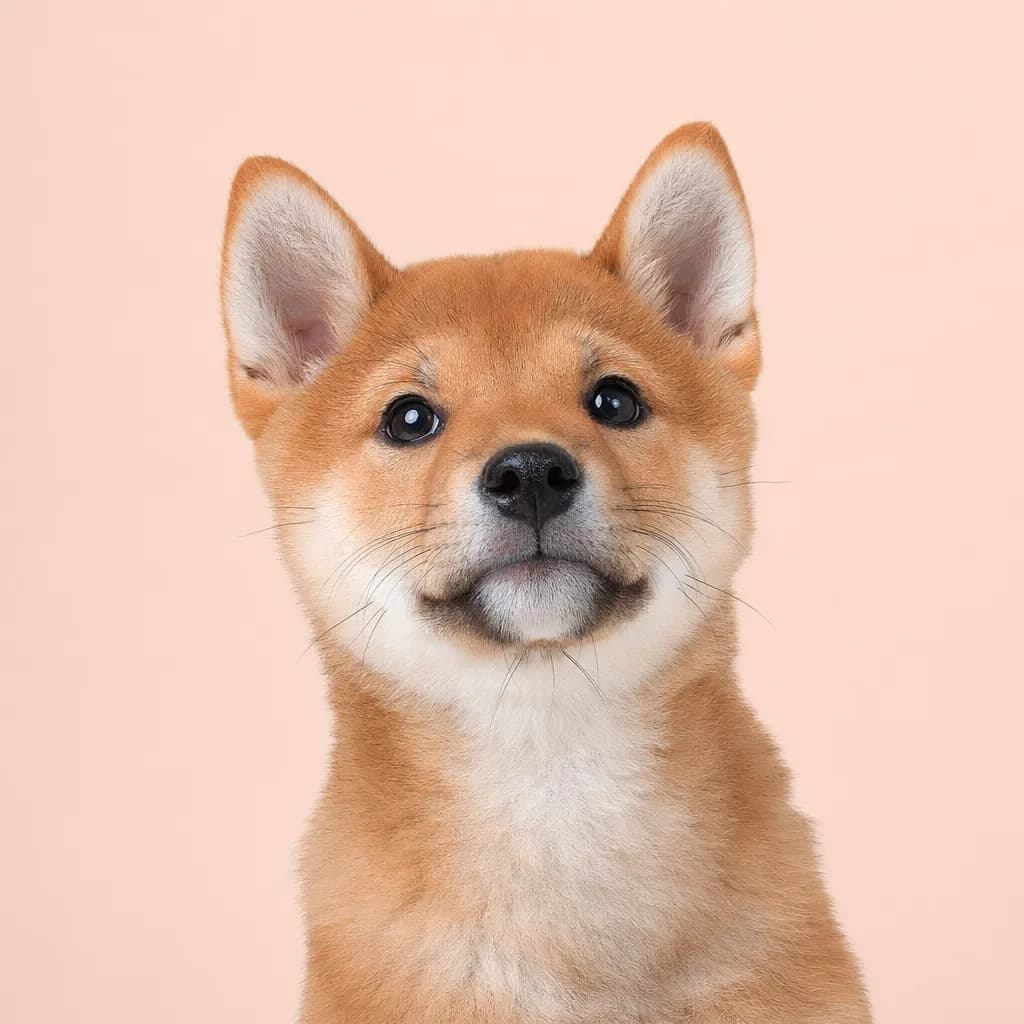
Not sure which breed fits your life?
Answer five questions about your home, your schedule, and your tolerance for shedding. We’ll match you to your top three breeds from over 200.
Lapponian Herder vs Shiba Inu
People compare the Lapponian Herder and Shiba Inu because both are spitz-type dogs with fox-like faces, proud stances, and a certain wild beauty that catches the eye. But that’s where the resemblance ends. these two couldn’t be more different under the surface. The Lapponian Herder is a working machine built for endurance. At 70 pounds and bred to herd reindeer across the frozen tundra, this dog needs space, cold weather, and a job to do. It’s energetic, highly trainable, and thrives with mental challenges, making it ideal for active families in northern climates who hike, ski, or mush. But don’t think you can keep it in a city apartment. This dog will bark, roam, and chew its way through boredom if under-stimulated. It’s affectionate with its people but not particularly gentle with kids, and its need for space and activity makes it a poor fit for casual owners. The Shiba Inu, meanwhile, is compact, independent, and famously cat-like. At under 25 pounds, it’s built for agility, not power. Don’t be fooled by its cuteness. this breed is stubborn, notoriously difficult to train, and prone to making its own decisions. It bonds deeply with its person but on its own terms. It can adapt to apartment living if exercised, but it must have a secure yard or it’ll chase squirrels into the next county. Here’s the real truth beyond the data: the Lapponian Herder wants to work with you as part of a team. The Shiba Inu tolerates you as the provider of snacks and door access. If you want a partner in adventure, go Lapponian. If you want a sassy, self-reliant companion who’ll curl up after a zoomie session, get the Shiba. Your lifestyle. and tolerance for willful behavior. decides this.
Trait-by-trait
Higher bar = more of that trait. Shedding, barking, drooling, grooming flipped for readability.Where they diverge
Choose the Lapponian Herder if…
- active families
- cold climates
- herding and working dog enthusiasts
- You value trainability — Lapponian Herder scores noticeably higher.
Choose the Shiba Inu if…
- Experienced dog owners
- Those wanting a cat-like independence
- Active owners
- You value affectionate w/ family — Shiba Inu scores higher here.