Mountain Cur vs Poodle
Side-by-side comparison across all 14 AKC trait ratings, with a clear verdict on which breed fits which kind of household.
Not sure which breed fits your life?
Answer five questions about your home, your schedule, and your tolerance for shedding. We’ll match you to your top three breeds from over 200.
Mountain Cur vs Poodle
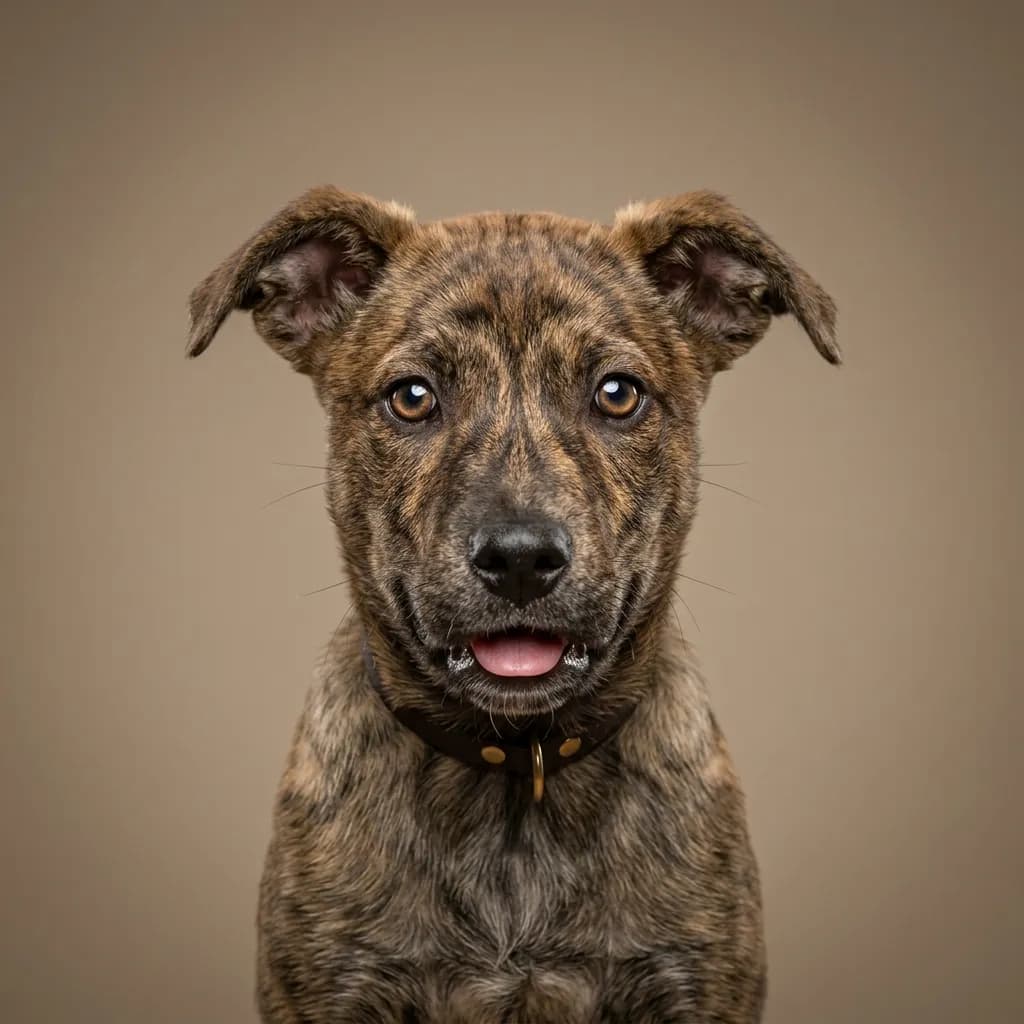
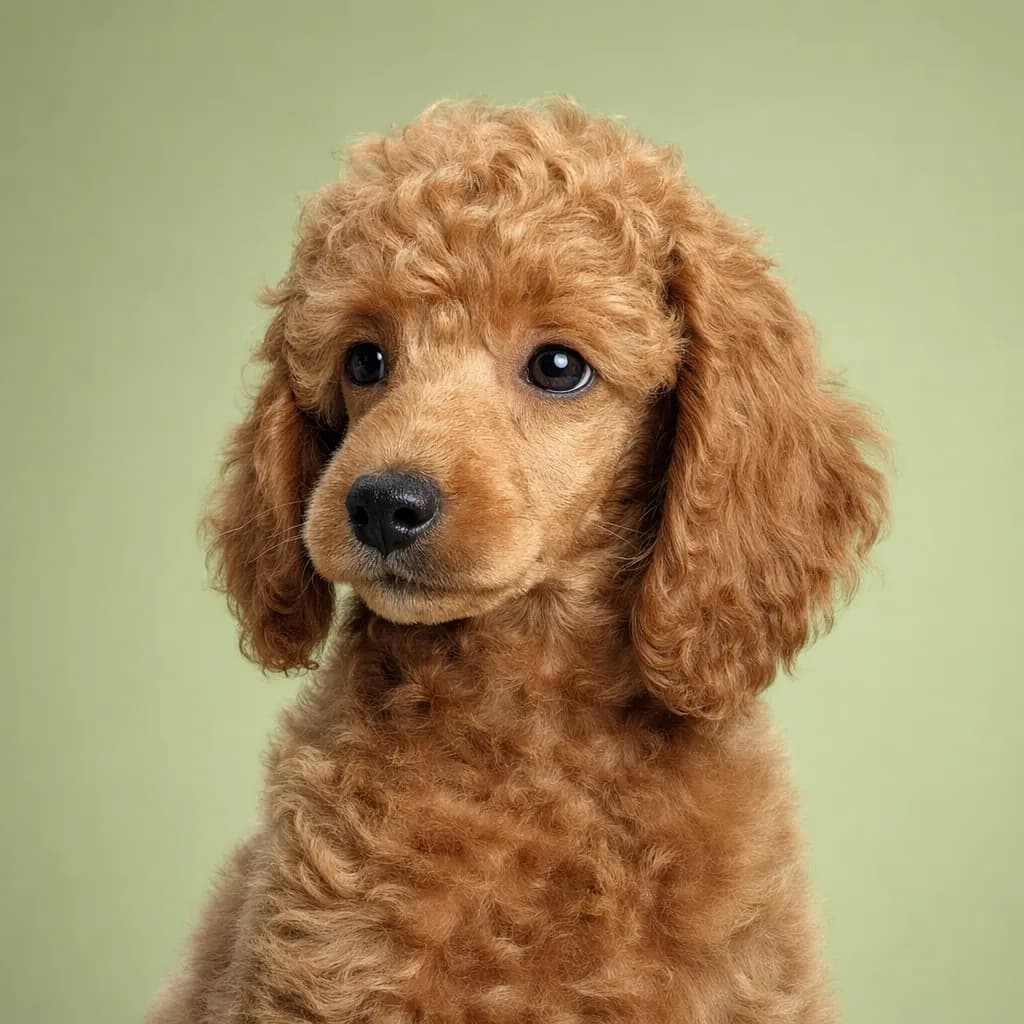
You don’t see Mountain Curs and Standard Poodles in the same conversation unless someone’s deep in the weeds of working dogs or accidental internet rabbit holes. But here we are, comparing a rugged American mountain dog to a primped European water retriever. Why? Probably because both are smart, active, and mid-to-large in size. That’s where the similarities end. The Mountain Cur is a doer, bred to trail raccoons and hold bears at bay in the hollers of Appalachia. This dog thrives when it has a job, space, and a handler who speaks “firm” and “consistent.” It’s loyal, affectionate with family, but won’t greet your guests with a wag. You’ll need experience to manage its strong will, and time to burn off that relentless 5/5 energy. Living in an apartment? Don’t bother. This dog needs land, action, and cold prey drive. The Standard Poodle, meanwhile, is a genius in a perm. Bred to dive into icy lakes and haul ducks back to hunters, it’s got brains, brawn, and zero interest in shedding. huge plus if allergies are a concern. It’s trainable off the charts, loves kids, adapts to city or country, and lives longer on average. But that intelligence demands constant mental fuel. Ignore it, and you’ll get a bored, yappy, possibly destructive dog. Here’s the truth beyond the data: the Poodle isn’t just for show ring snobs. In the right hands, it’s a performance athlete, a therapy dog, a family anchor. The Mountain Cur isn’t just “tough”. it’s deeply bonded, quietly protective, and reads your mood like a therapist. Pick the Poodle if you want a versatile, people-smart companion who thrives on routine and polish. Pick the Cur if you live outdoors, lead a hunting life, and want a dog that’s more partner than pet. One grooms every six weeks. The other just rolls in dirt and calls it good.
Trait-by-trait
Higher bar = more of that trait. Shedding, barking, drooling, grooming flipped for readability.Where they diverge
Choose the Mountain Cur if…
- Active outdoor owners
- Hunters
- Rural or farm settings
- You value shedding level — Mountain Cur scores noticeably higher.
Choose the Poodle if…
- Allergy sufferers
- Active families
- First-time owners
- You value coat grooming — Poodle scores higher here.