Poodle
Consistently one of the smartest breeds on the planet, and one of the most versatile — they've been retrieved waterfowl, performed in circuses, served as guide dogs, and dominated obedience trials. Elegant and athletic, they're genuinely good with families, low-shedding, and far less fussy than the fancy clips suggest. If you want a highly trainable, adaptable companion and don't mind regular groomer visits, the Standard Poodle is hard to beat.
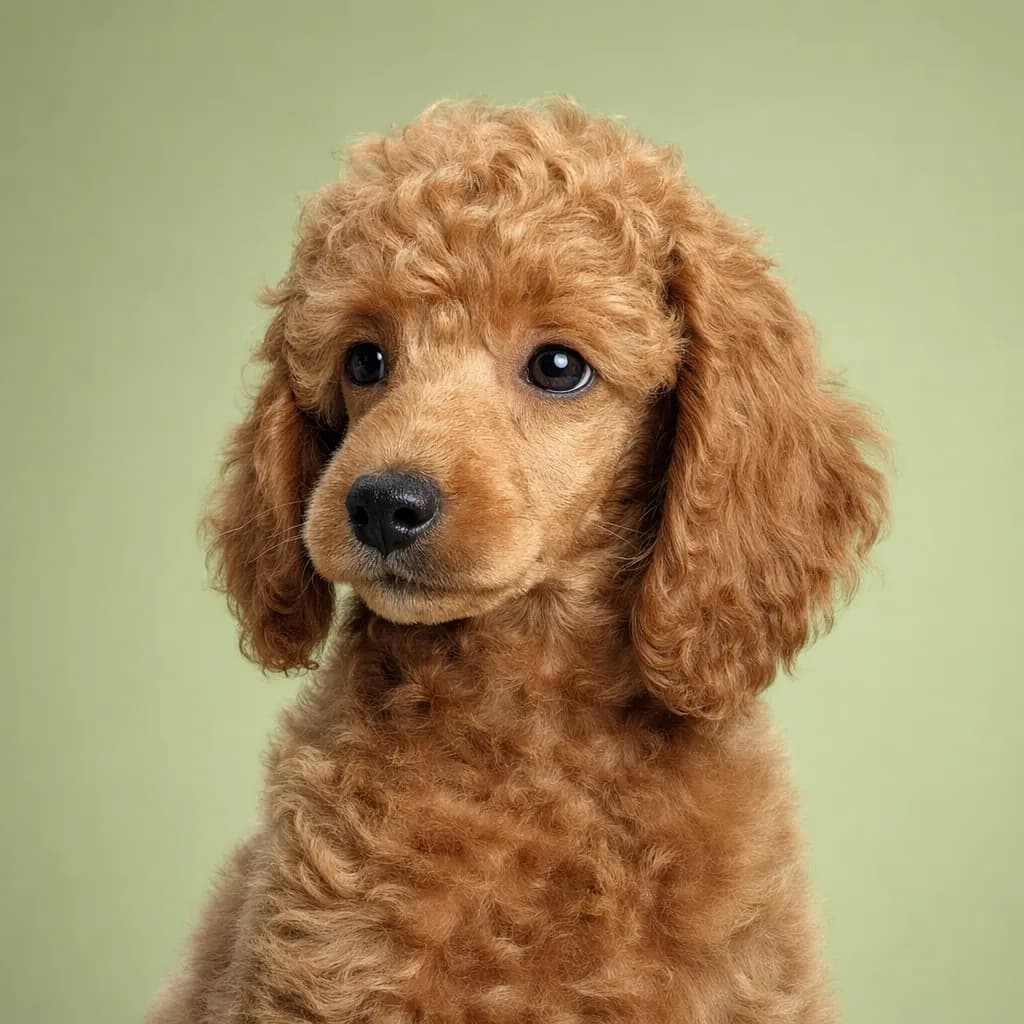
Free weekly training plan, specific to your Poodle’s age. Exactly what to focus on this week.
Get your free training planLiving with a Poodle
Standard Poodles have one of the most misunderstood reputations in dogdom. The Continental clip and the show-ring aesthetic created an image of a fussy, pampered dog, but the Poodle is actually one of the most athletic, intelligent, and capable breeds ever developed. They originated in Germany as water retrievers (the name comes from 'Pudel,' meaning to splash), were refined in France, and were used for waterfowl hunting and truffle hunting long before they hit the show ring.
Day-to-day, Standards are lively, smart, and deeply engaged with their humans. They're not just trainable, they're strategic. They figure things out quickly, read your emotional state accurately, and adjust their behavior accordingly.
They're genuinely playful into old age and tend to retain a puppy-ish enthusiasm well into their senior years. Exercise needs are real. A Standard Poodle needs 45-60 minutes of vigorous activity daily, running, swimming, fetch, off-leash romps.
They also crave mental stimulation: obedience, trick training, nose work, and agility all suit them extremely well. Under-stimulated Standards can become anxious or destructive. Grooming is the significant commitment.
Poodle coats grow continuously and don't shed in the traditional sense, they mat instead if not maintained. Professional grooming every 6-8 weeks is essentially required unless you learn to clip at home. The upside: they're genuinely lower-dander than double-coated breeds, making them much more manageable for allergy sufferers.
No coat style is 'easy' on a Poodle, but a short sporting clip minimizes brushing between appointments. Health concerns include bloat (GDV, a life-threatening stomach condition to which large, deep-chested breeds are prone), Addison's disease, hip dysplasia, and sebaceous adenitis (a skin condition). Choose a breeder who tests for all of these.
Standards are ideal for active owners who want a highly trainable, non-shedding dog with actual athletic capability. They're wrong for owners who won't commit to grooming costs, anyone wanting a low-key, low-maintenance dog, or people who find high emotional intelligence in a dog unsettling. The take: Standard Poodles are often chosen by people who've owned them before, that's the real signal.
Once you own one, you understand why they're elite. The pompoms don't matter. The dog underneath them is remarkable.
14 traits, at a glance.
Every breed on PuppyBase is rated across the 14 trait dimensions the American Kennel Club publishes — from trainability to drooling level. The higher the score, the better the fit for that trait.
What to expect day-to-day
Things to screen for
- Progressive retinal atrophy
- Addison's disease
- Hip dysplasia
- Bloat (GDV)
- Sebaceous adenitis
See a full price breakdown — first-year costs, lifetime estimate, breeder vs. adoption.
Full price guideSimilar breeds
Browse all 200+

Common questions
How long do Poodle (Standard)s live?
Standard Poodles typically live between 10 and 18 years, which is a longer-than-average lifespan for a dog of their size. With good care, many live well into their teens in good health.
How much does a Poodle (Standard) puppy cost?
A Standard Poodle puppy usually costs between $2,000 and $5,000, with an average price around $3,000. Prices vary based on breeder reputation, bloodline, and location.
How much do Poodle (Standard)s shed?
Standard Poodles shed very little, making them one of the best breeds for people who want a low-shedding dog. Their curly coat traps loose hair, so you'll rarely find it on your furniture or clothes.
What colors do Poodle (Standard)s come in?
Standard Poodles come in a wide range of colors including black, white, apricot, red, brown, gray, silver, cream, blue, cafe au lait, and silver beige. All colors are accepted and none are more hypoallergenic than others.
How big do Poodle (Standard)s get?
Standard Poodles stand 15 to 24 inches tall at the shoulder and weigh between 40 and 70 pounds. Males are typically larger than females, and they have a lean, athletic build.
Are Poodle (Standard)s smart?
Standard Poodles are one of the smartest dog breeds alive, consistently ranking in the top tier for intelligence. They learn new commands in fewer than five repetitions and obey on the first try over 95% of the time.
Are Poodle (Standard)s hypoallergenic?
Yes, Standard Poodles are considered hypoallergenic because they shed very little and produce less dander. Most allergy sufferers find they can live comfortably with a Standard Poodle.
Are Poodle (Standard)s aggressive?
No, Standard Poodles are not aggressive by nature. They are proud and alert, but they’re generally very good with families and strangers when properly socialized.
What health problems are common in Poodle (Standard)s?
Common health issues include hip dysplasia, bloat, Addison's disease, progressive retinal atrophy, and sebaceous adenitis. Responsible breeders screen for these, but owners should stay vigilant.
Do Poodle (Standard)s bark a lot?
Yes, Standard Poodles tend to bark quite a bit, especially if under-stimulated or not properly trained. They’re alert and make excellent watchdogs, but this can mean frequent barking without management.
Are Poodle (Standard)s easy to train?
Standard Poodles are exceptionally easy to train due to their intelligence and eagerness to please. They excel in obedience, agility, and even advanced tasks like service work.
Are Poodle (Standard)s good family dogs?
Yes, Standard Poodles are excellent family dogs—they’re affectionate, patient with children, and thrive in active households. They bond closely with all family members and enjoy being involved.
Are Poodle (Standard)s good with cats?
Standard Poodles can get along well with cats, especially if raised together or properly introduced. Their prey drive is moderate, so early socialization helps ensure peaceful coexistence.
Are Poodle (Standard)s good first dogs?
Yes, Standard Poodles can be great first dogs for committed owners who are willing to meet their grooming and mental stimulation needs. Their trainability and affection make them rewarding companions.
Do Poodle (Standard)s like water?
Yes, Standard Poodles love water—they were originally bred to retrieve waterfowl and have a natural affinity for swimming. Most will jump at the chance to splash around in a pool, lake, or puddle.
When do Poodle (Standard)s calm down?
Standard Poodles usually start to settle into a more balanced temperament around 2 to 3 years of age. Even then, they remain active and mentally alert, needing regular exercise and engagement.
Not sure which breed fits your life?
Answer five questions about your home, your schedule, and your tolerance for shedding. We’ll match you to your top three breeds from over 200.