Mountain Cur vs Schipperke
Side-by-side comparison across all 14 AKC trait ratings, with a clear verdict on which breed fits which kind of household.
Not sure which breed fits your life?
Answer five questions about your home, your schedule, and your tolerance for shedding. We’ll match you to your top three breeds from over 200.
Mountain Cur vs Schipperke
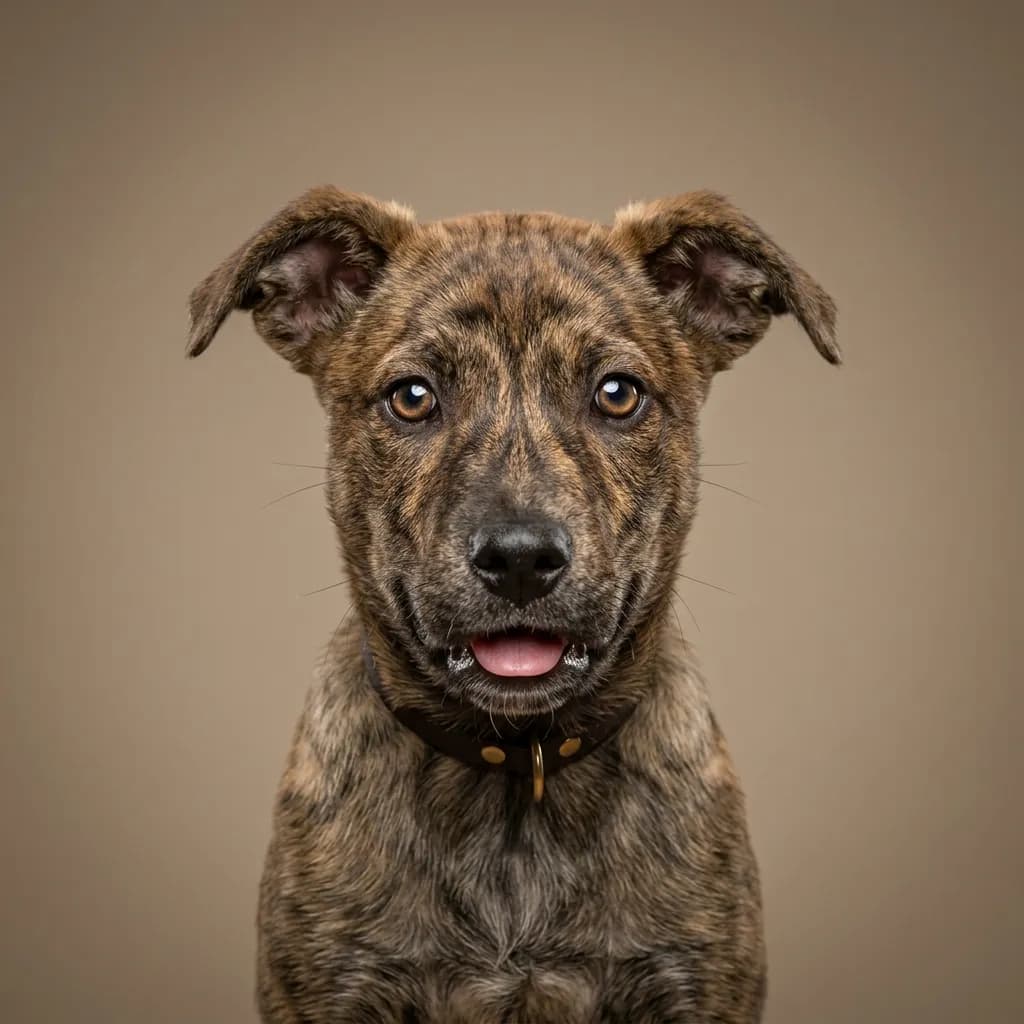
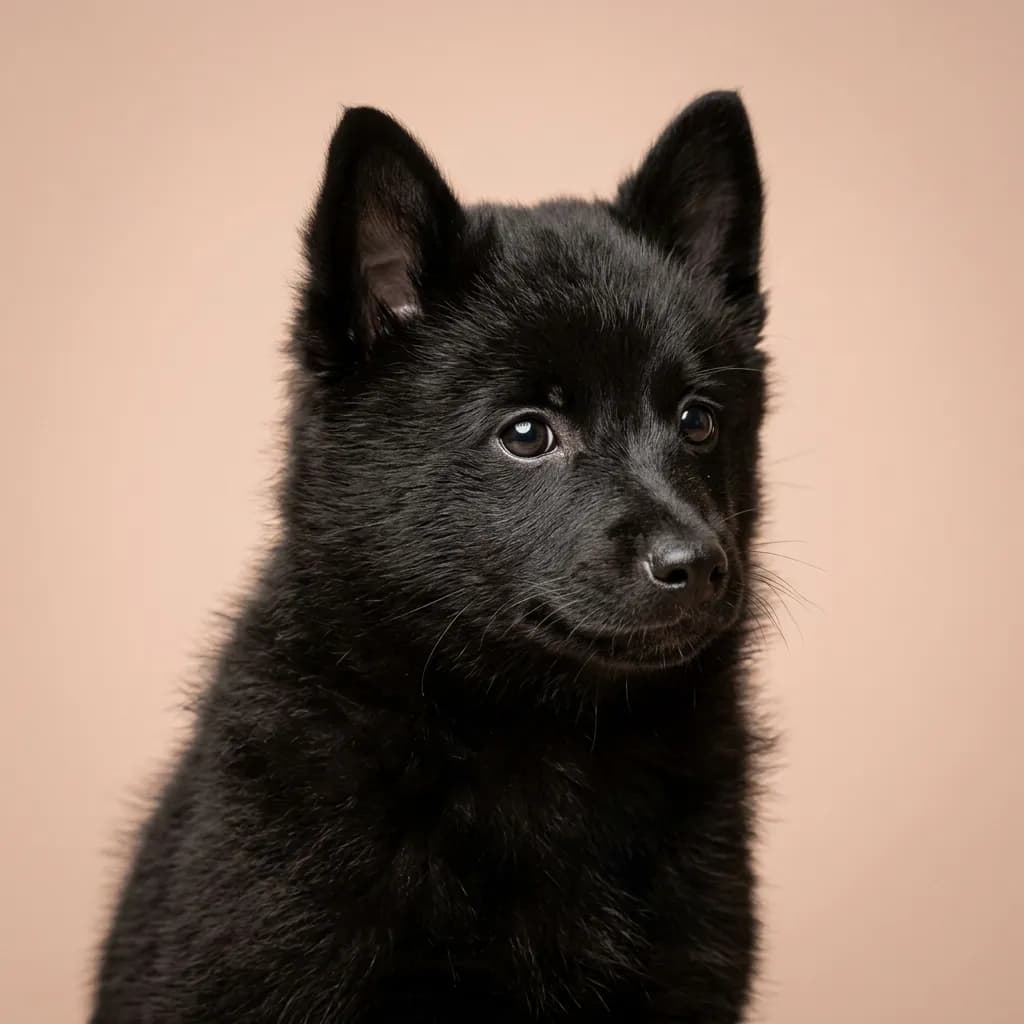
You don’t see many people lining up Mountain Curs and Schipperkes side by side, but if you’re drawn to fearless, independent dogs with a spark of wildness, you might find yourself comparing these two. One’s a rugged American hunter built for steep trails and squirrel treed at dawn, the other a small black Belgian barge sentinel with a mane like a lion and a bark like a much bigger dog. On paper, they share some temperament notes. bold, alert, not overly social with strangers. but in real life, they’re worlds apart. The Mountain Cur is a working machine. At 30 to 60 pounds, this dog needs space, purpose, and cold runs through the woods. It’s smart but stubborn, loyal to its people but wary of outsiders. You’ll need experience to lead it well, and if you live in an apartment or hate unpredictability, it’s not the dog for you. Meanwhile, the Schipperke packs a big-dog attitude into 10 to 16 pounds. It’s nimble, curious, and thrives in a busy household with routines and attention. It barks more. expect that. and while it doesn’t need miles of trail, it won’t tolerate being ignored. Families with older kids in a suburban home might lean toward the Schipperke. But if you’re a hunter, live on acreage, or want a dog that can work alongside you outdoors, the Mountain Cur is unmatched. Here’s the real talk: both dogs resist being pets in the traditional sense. They’re partners. The Schipperke wants to be involved in everything you do, while the Mountain Cur wants to do something. and it better be meaningful. Pick based on your lifestyle, not size. One is a co-worker in fur, the other a tiny bodyguard with opinions. Know which role you need.
Trait-by-trait
Higher bar = more of that trait. Shedding, barking, drooling, grooming flipped for readability.Where they diverge
Choose the Mountain Cur if…
- Active outdoor owners
- Hunters
- Rural or farm settings
- You value energy level — Mountain Cur scores noticeably higher.
Choose the Schipperke if…
- Active owners
- Those wanting a small but bold breed
- Suburban or rural settings
- You value watchdog / protective — Schipperke scores higher here.