Mountain Cur vs Scottish Deerhound
Side-by-side comparison across all 14 AKC trait ratings, with a clear verdict on which breed fits which kind of household.
Not sure which breed fits your life?
Answer five questions about your home, your schedule, and your tolerance for shedding. We’ll match you to your top three breeds from over 200.
Mountain Cur vs Scottish Deerhound
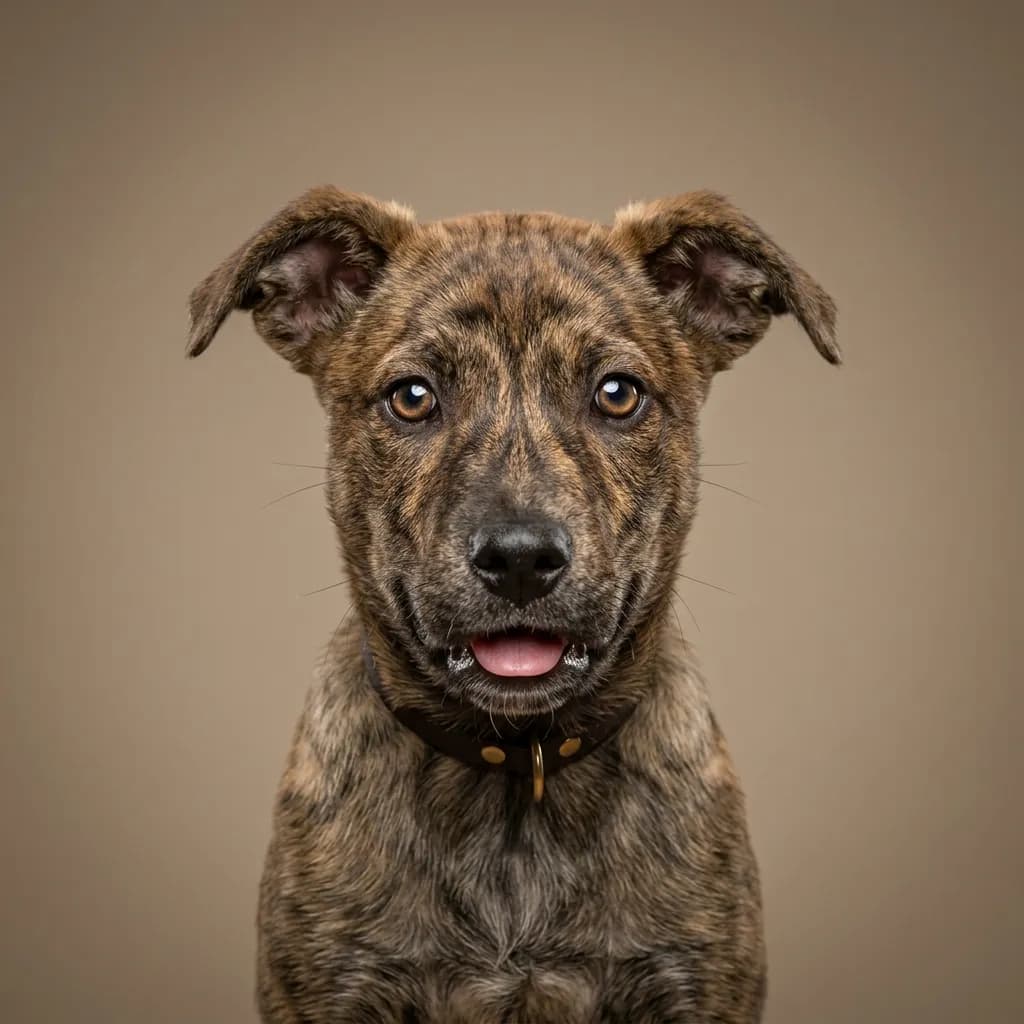
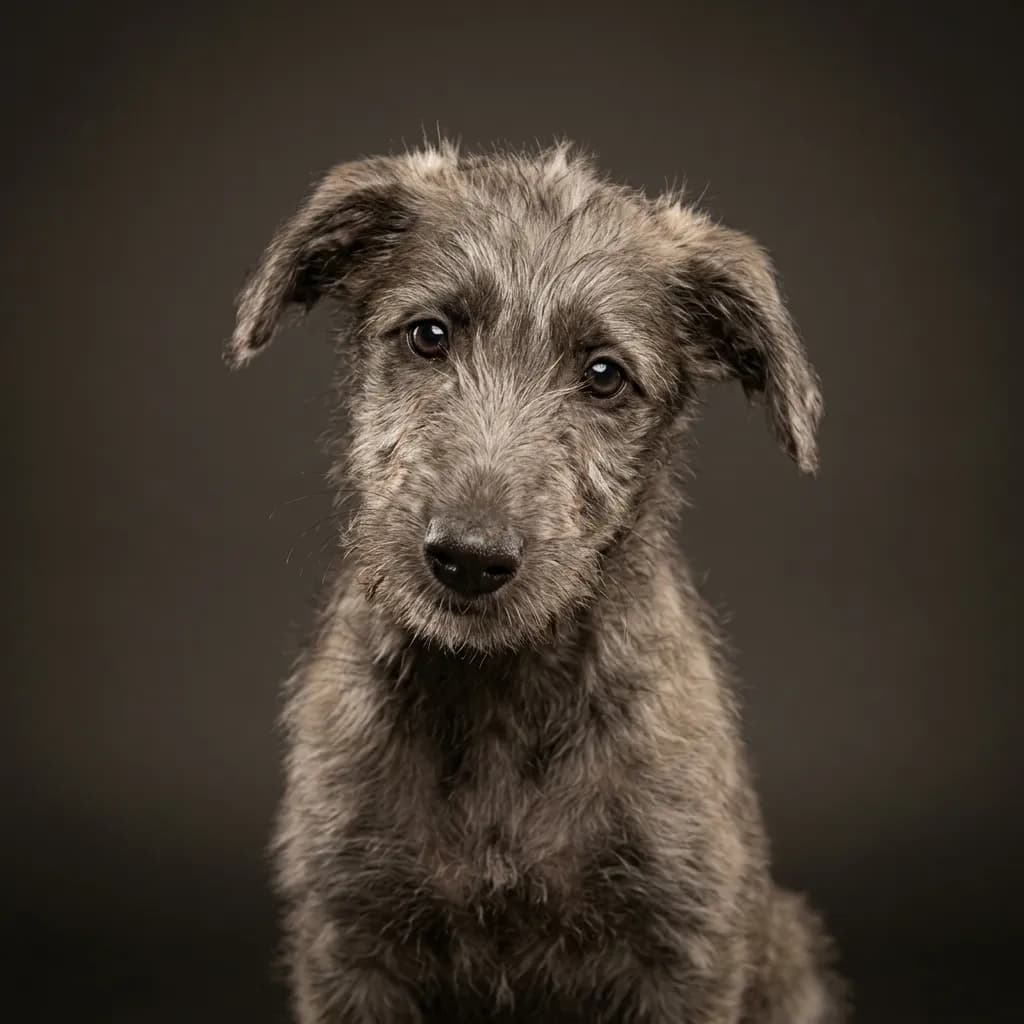
People compare Mountain Curs and Scottish Deerhounds because both are rugged, independent, and built for wide-open spaces. They look nothing alike, but they share a thread. bred to work in tough terrain, loyal to their people, and not the kind of dog you toss a ball for in the backyard and call it a day. But that’s where the similarities end. The Mountain Cur is a scrappy, wiry problem-solver. At 30 to 60 pounds, it’s built for scrambling up rocky ridges and treeing possums or wild boar. It’s sharp, stubborn, and won’t impress your in-laws with charm. but it’ll guard your farm like it’s its job (because it is). You need to be firm, consistent, and active enough to keep up. This isn’t a dog for Sunday strolls. It wants purpose. The Scottish Deerhound is the opposite kind of athlete. A gentle giant at 75 to 110 pounds, it looks like a wispy, noble lion. It was bred to chase deer across moors at speed, then come home and nap at your feet. Calmer in the house than you’d expect, but set it loose in an open field and it’ll hit 35 mph in seconds. It’s affectionate, quiet, and dignified. but heartbreakingly short-lived, often gone by 10 or 11. Here’s the real talk: if you want a dog that’s part of your outdoor life and don’t mind a strong opinion, the Mountain Cur fits like a well-worn boot. But if you’re drawn to quiet loyalty and have space and a soft spot for gentle giants, the Deerhound will steal your heart. just brace yourself for the goodbye that comes too soon. One works beside you. The other lives with you. Choose based on which kind of companion you actually need.
Trait-by-trait
Higher bar = more of that trait. Shedding, barking, drooling, grooming flipped for readability.Where they diverge
Choose the Mountain Cur if…
- Active outdoor owners
- Hunters
- Rural or farm settings
- You value energy level — Mountain Cur scores noticeably higher.
Choose the Scottish Deerhound if…
- Active owners with spacious homes
- Those wanting a gentle giant
- Experienced sighthound owners
- You value good with other dogs — Scottish Deerhound scores higher here.