Scottish Deerhound
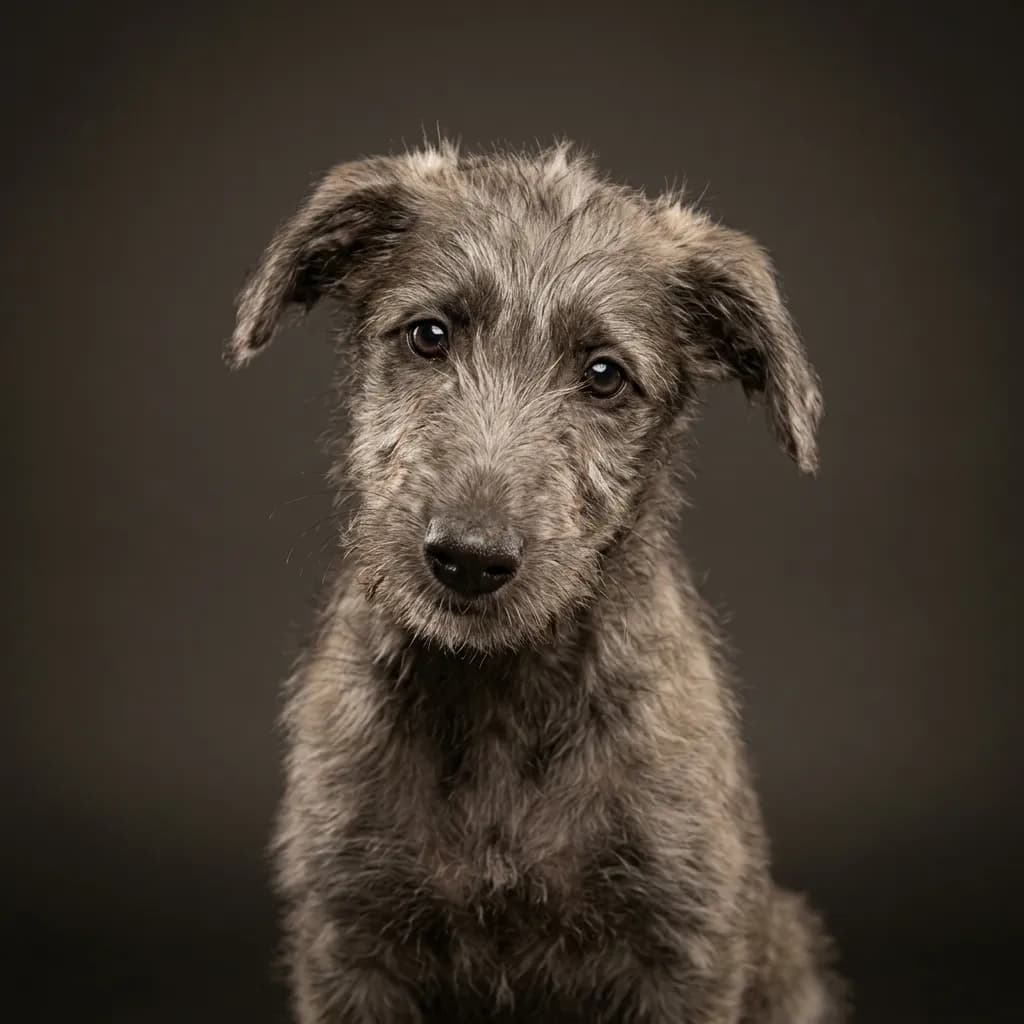
Possibly the most serene large dog you'll ever meet — the Scottish Deerhound is a greyhound-type wrapped in a wiry coat, enormous in stature and remarkably gentle in temperament. Inside they're calm and almost cat-like in their preference for lounging; outside they need room to run at speed. The short lifespan relative to their size is the hard part of owning one.
Free weekly training plan, specific to your Scottish Deerhound’s age. Exactly what to focus on this week.
Get your free training planLiving with a Scottish Deerhound
Scottish Deerhounds look like they stepped out of a medieval tapestry, and honestly, that’s not far from the truth. Bred for centuries to run down red deer across the rugged Scottish Highlands, these gentle giants are sighthounds with a regal bearing and a surprisingly soft soul. They’re not just big Greyhounds with a beard.
They’re deeper in chest, rougher in coat, and carry themselves with a quiet dignity that can border on aloofness with strangers. But at home? They’re total softies.
Living with a Deerhound means sharing space with a 90-pound couch potato who occasionally remembers he’s a predator. They need a daily run in a secure, fenced yard, at least 30 minutes of full sprinting if possible. A leash walk won’t cut it.
They’re built to chase, and if they spot a squirrel or deer, that prey drive kicks in fast. No off-leash adventures in open areas. But here’s the twist: after their sprint, they’ll collapse beside you like a sack of flour and snooze for hours.
Their energy is bursts, not endurance. Grooming is deceptive. That wiry, shaggy coat isn’t high-maintenance in the traditional sense, but it does require stripping a few times a year to keep it healthy.
Brushing weekly helps, but don’t expect a shiny show coat without effort. And yes, they shed, moderately, but consistently. You’ll find coarse hairs on your clothes and furniture.
Health-wise, they’re prone to serious issues: bloat, heart disease, bone cancer. Their lifespan of 8 to 11 years stings, especially given how quickly you fall for them. Factor VII deficiency, a blood clotting issue, means you’ll want to be vigilant during injuries or surgeries.
Routine vet care and feeding multiple small meals a day to prevent bloat are non-negotiable. They’re not for apartments or nervous first-time owners. You need space, a solid fence, and experience reading dog body language.
Great with kids if socialized early, but their size alone makes them accidental hazards to toddlers. Here’s the real talk: most sighthounds are independent, but Deerhounds want to be near you. They’re deeply affectionate, even velcro-ish, despite their aloof reputation.
If you’re looking for a majestic, soft-hearted giant who’ll lean on you during thunderstorms and then pretend he didn’t, this is your breed. Just be ready to love hard and say goodbye too soon.
14 traits, at a glance.
Every breed on PuppyBase is rated across the 14 trait dimensions the American Kennel Club publishes — from trainability to drooling level. The higher the score, the better the fit for that trait.
What to expect day-to-day
Things to screen for
- Bloat (GDV)
- Anesthesia sensitivity
- Dilated cardiomyopathy
- Osteosarcoma
- Liver disease (Factor VII deficiency)
See a full price breakdown — first-year costs, lifetime estimate, breeder vs. adoption.
Full price guideSimilar breeds
Browse all 200+



Common questions
How long do Scottish Deerhounds live?
Scottish Deerhounds typically live between 8 and 11 years, which is relatively short for a large breed. This lifespan is one of the trade-offs of owning such a big, fast dog.
How much does a Scottish Deerhound puppy cost?
A Scottish Deerhound puppy usually costs between $1,500 and $4,000, with an average price around $2,500. Prices vary based on breeder reputation, bloodlines, and location.
How much do Scottish Deerhounds shed?
Scottish Deerhounds shed moderately. Their wiry coat requires regular brushing, but they don’t shed as heavily as some double-coated breeds. Expect some seasonal shedding.
What colors do Scottish Deerhounds come in?
Scottish Deerhounds come in blue gray, gray, brindle, yellow, sandy red, and red fawn. These colors often appear in a soft, natural range, sometimes with slight variations in shading.
How big do Scottish Deerhounds get?
They stand between 28 and 32 inches tall at the shoulder and weigh 75 to 110 pounds. Males are typically larger than females, and they have a lean, muscular build.
Are Scottish Deerhounds smart?
Yes, Scottish Deerhounds are intelligent dogs with moderate mental stimulation needs. They learn well with positive reinforcement but can be independent thinkers, which may slow training.
Are Scottish Deerhounds hypoallergenic?
No, Scottish Deerhounds are not hypoallergenic. They shed moderately and produce dander, so they’re not recommended for people with allergies.
Are Scottish Deerhounds aggressive?
No, Scottish Deerhounds are not aggressive. They have a gentle, dignified temperament and are polite with people and other dogs. They’re more likely to retreat than confront.
What health problems are common in Scottish Deerhounds?
Common health issues include dilated cardiomyopathy, bloat, osteosarcoma, liver disease due to Factor VII deficiency, and sensitivity to anesthesia. Regular vet checks are crucial.
Do Scottish Deerhounds bark a lot?
No, Scottish Deerhounds bark very little. They’re generally quiet dogs and won’t alert you often, making them poor watchdogs in terms of vocalization.
Are Scottish Deerhounds easy to train?
They are moderately easy to train. They respond best to gentle, consistent methods but can be stubborn. Early socialization and patience are key for good results.
Are Scottish Deerhounds good family dogs?
They can be good family dogs for homes with older children. They’re gentle and affectionate with family members but less tolerant of rough play from young kids.
Are Scottish Deerhounds good with cats?
They can live with cats if raised together or properly introduced. However, their sighthound instincts may kick in with small, fast-moving animals, so supervision is advised.
Can Scottish Deerhounds live in apartments?
No, Scottish Deerhounds are not suited for apartment living. They need a large, securely fenced yard and regular access to open space for safe running.
Are Scottish Deerhounds good hunting dogs?
Yes, they were bred to hunt red deer in the Scottish Highlands and still possess strong coursing instincts. Their speed and stamina make them effective hunting companions in open terrain.
How much grooming do Scottish Deerhounds need?
They require minimal grooming, with brushing once a week to remove loose hair and prevent matting. Hand-stripping is occasionally needed to maintain their wiry coat’s texture.
Not sure which breed fits your life?
Answer five questions about your home, your schedule, and your tolerance for shedding. We’ll match you to your top three breeds from over 200.