Mudi vs Rafeiro do Alentejo
Side-by-side comparison across all 14 AKC trait ratings, with a clear verdict on which breed fits which kind of household.
Not sure which breed fits your life?
Answer five questions about your home, your schedule, and your tolerance for shedding. We’ll match you to your top three breeds from over 200.
Mudi vs Rafeiro do Alentejo
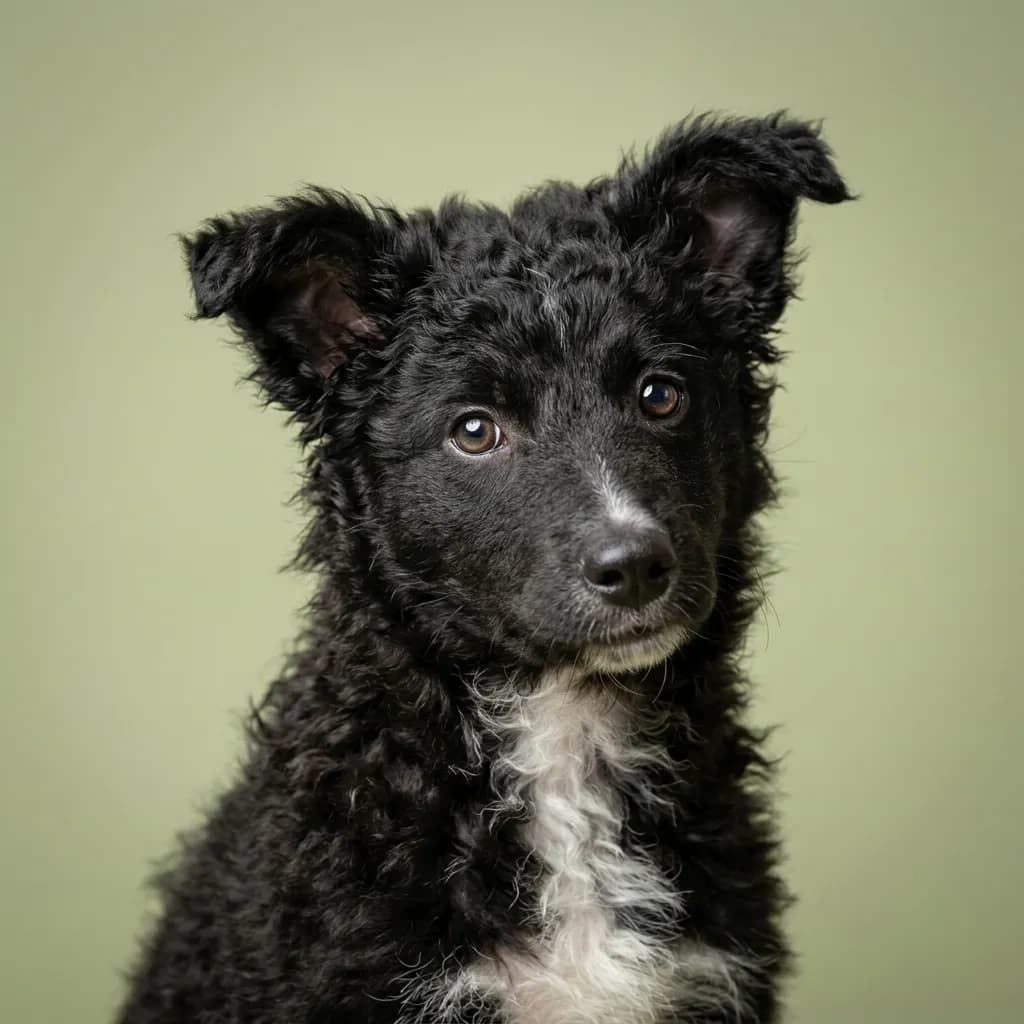
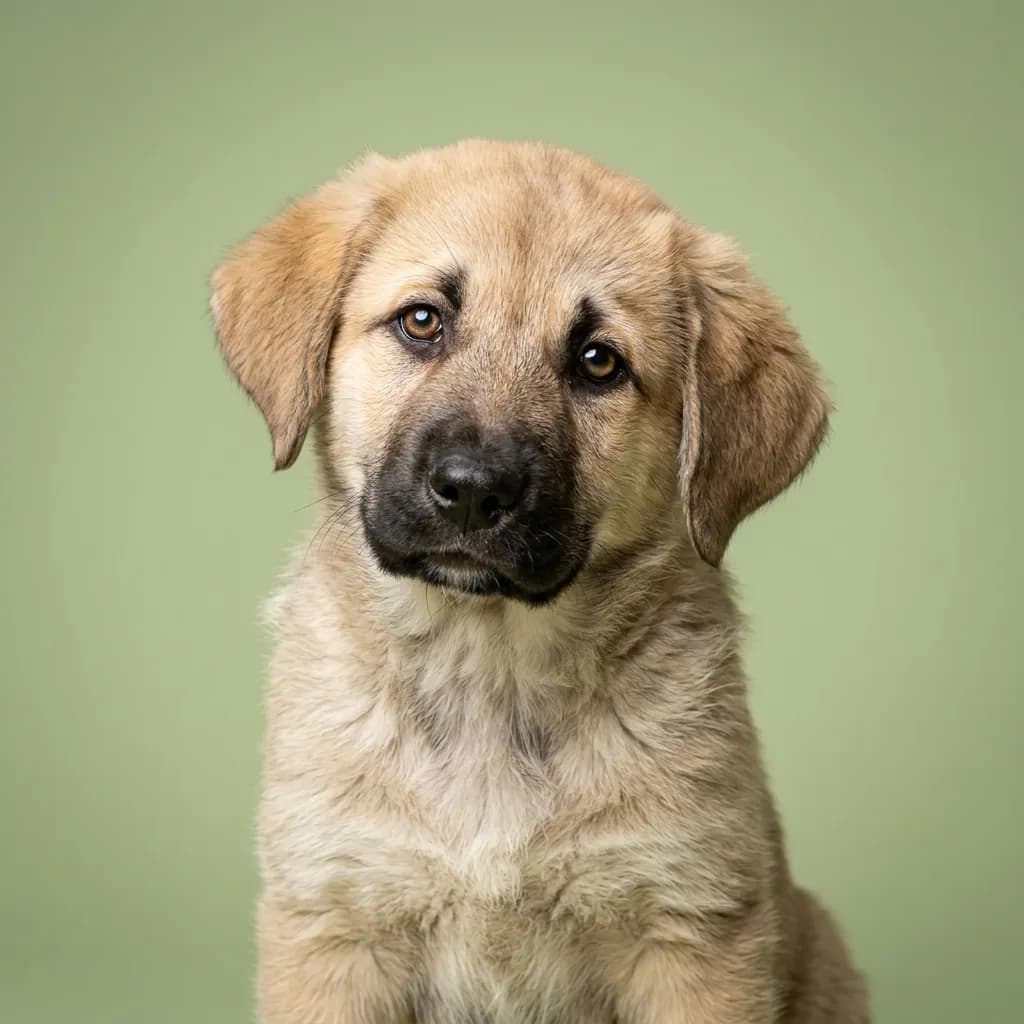
You’re probably not comparing a Mudi and a Rafeiro do Alentejo because they’re similar. because they’re not. You’re looking at these two because you want a dog that’s rare, purpose-built, and deeply committed to its job. But that’s where the overlap ends. These breeds live at opposite ends of the working dog spectrum. The Mudi is the electric herding prod with a curl in its tail and fire in its step. At under 30 pounds, it’s light, quick, and wired for action. If you’re into agility, farm work, or just want a dog that’s always three steps ahead mentally, the Mudi thrives. It bonds tightly, learns fast, and will herd your kids in circles if you let it. But it’s not for the faint of heart. it barks, it needs constant mental fuel, and it won’t adapt if your life is slow. The Rafeiro is the immovable object. A massive livestock guardian from rural Portugal, this dog weighs in at over 100 pounds and moves like a calm tank. It’s not out to impress you with tricks. It’s out to assess threats, stand steady in a storm, and protect what’s his. Quiet by nature, moderately active, and deeply loyal, the Rafeiro needs space, experienced handling, and a job. usually guarding land or animals. It’s not a cuddly family giant like a Leonberger. It’s more reserved, even with kids, and its size alone makes mistakes dangerous. Here’s the real talk: the Mudi needs a job to stay sane, the Rafeiro needs space to be effective. Pick the Mudi if you’re active, experienced, and love a dog that thinks. Pick the Rafeiro if you’ve got acres, livestock, and the calm authority to lead a guardian. One is a precision tool, the other a fortress. Don’t choose based on rarity. choose based on what kind of commitment you’re ready for.
Trait-by-trait
Higher bar = more of that trait. Shedding, barking, drooling, grooming flipped for readability.Where they diverge
Choose the Mudi if…
- Active families
- Experienced herding breed owners
- Dog sport enthusiasts
- You value mental stimulation needs — Mudi scores noticeably higher.
Choose the Rafeiro do Alentejo if…
- Experienced large-breed owners
- Farm or rural environments
- Livestock guardian needs
- You value shedding level — Rafeiro do Alentejo scores higher here.