Mudi vs Xoloitzcuintli
Side-by-side comparison across all 14 AKC trait ratings, with a clear verdict on which breed fits which kind of household.
Not sure which breed fits your life?
Answer five questions about your home, your schedule, and your tolerance for shedding. We’ll match you to your top three breeds from over 200.
Mudi vs Xoloitzcuintli
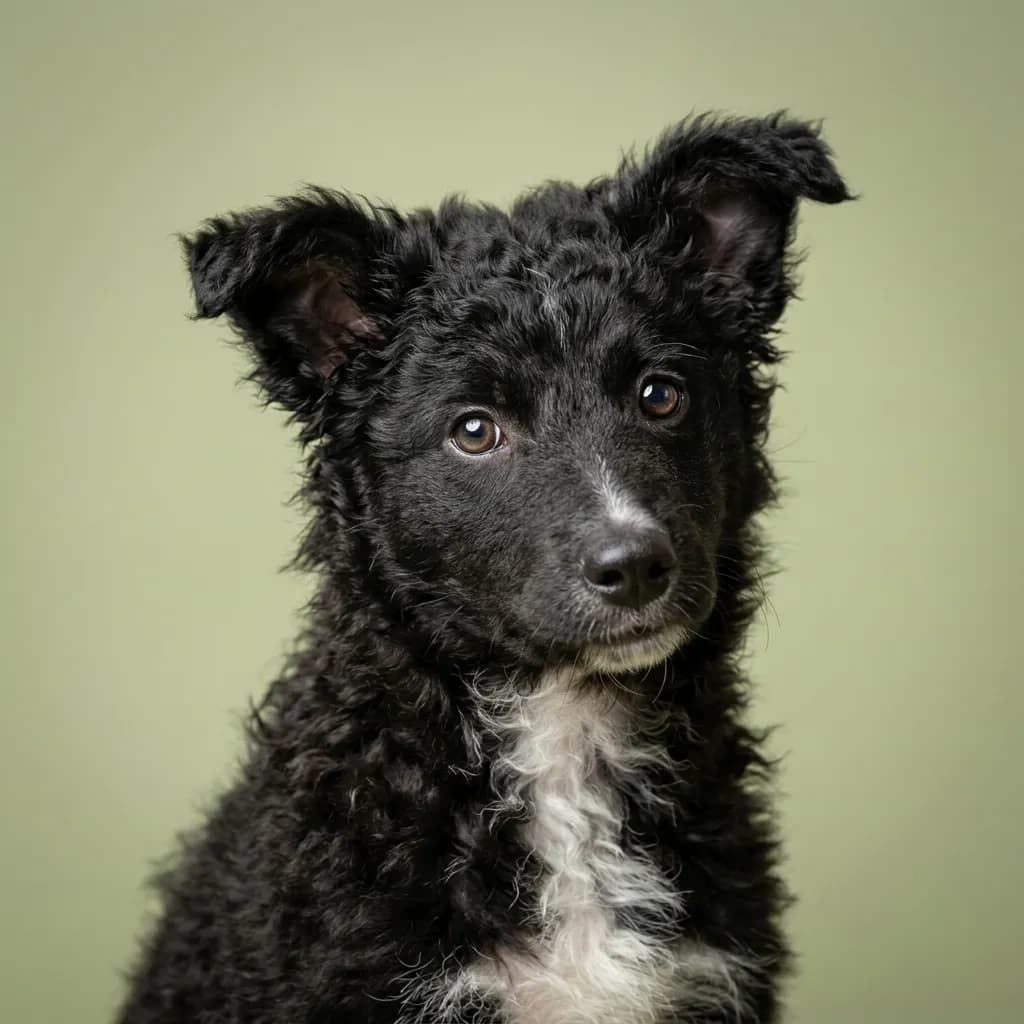
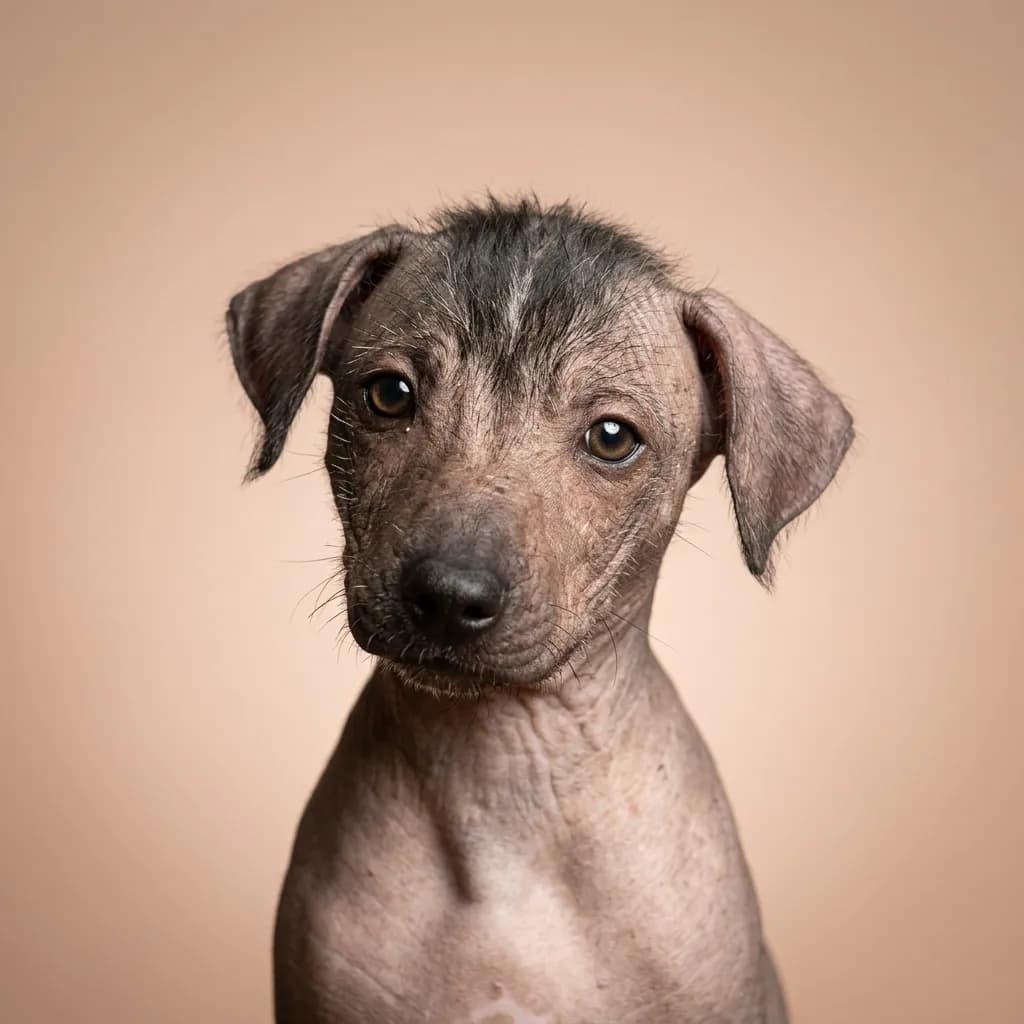
You don’t see many Mudis or Xolos at the dog park, so when someone’s comparing them, it usually means they’re deep in the weeds of rare breed research. likely an experienced dog person who wants something outside the mainstream but still deeply capable. Both are alert, loyal, and low-shedding, which is probably why they end up side by side on someone’s shortlist. But that’s where the real similarities end. The Mudi is a live wire, a nimble herding dog from Hungary built for motion and mental puzzles. If you compete in agility or live on a farm with chores to do, the Mudi thrives on that structure. It’s sharp, vocal, and always watching. great if you want a partner, but exhausting if you just want a quiet couch buddy. Kids aren’t their favorite, and without hours of daily activity, they’ll turn your garden into a excavation site. The Xoloitzcuintli, especially the hairless variety, is a different kind of sentinel. Calmer by nature, it bonds fiercely to its person and often acts more like a silent guardian than a performer. They’re good with routines, adapt well to city or country, and their skin demands attention. sunscreen in summer, sweaters in winter. They’re not as driven as the Mudi, but they’re deeply intuitive, the kind of dog that senses when you’re stressed before you realize it yourself. Here’s the truth beyond the specs: the Mudi wants a job and a plan. The Xolo feels more like a lifelong companion who just happens to be a dog. If you’re active and love training, go Mudi. If you want a devoted, low-shedding confidant with ancient soulfulness, the Xolo’s your dog. Just know. neither forgives a clueless owner. Both need experience, but they reward it differently.
Trait-by-trait
Higher bar = more of that trait. Shedding, barking, drooling, grooming flipped for readability.Where they diverge
Choose the Mudi if…
- Active families
- Experienced herding breed owners
- Dog sport enthusiasts
- You value shedding level — Mudi scores noticeably higher.
Choose the Xoloitzcuintli if…
- People with dog allergies
- Experienced dog owners
- Those wanting a rare and ancient breed
- You value affectionate w/ family — Xoloitzcuintli scores higher here.