Newfoundland vs Plott Hound
Side-by-side comparison across all 14 AKC trait ratings, with a clear verdict on which breed fits which kind of household.
Not sure which breed fits your life?
Answer five questions about your home, your schedule, and your tolerance for shedding. We’ll match you to your top three breeds from over 200.
Newfoundland vs Plott Hound
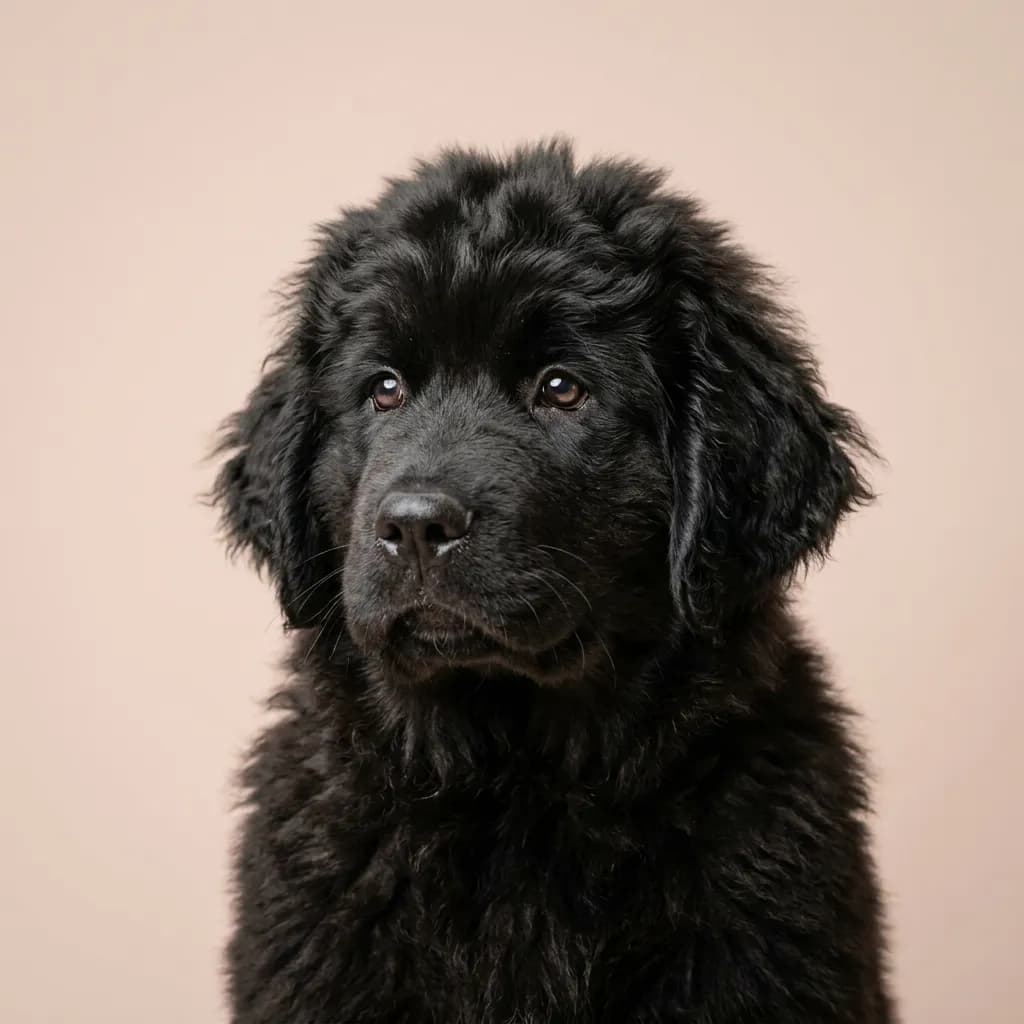
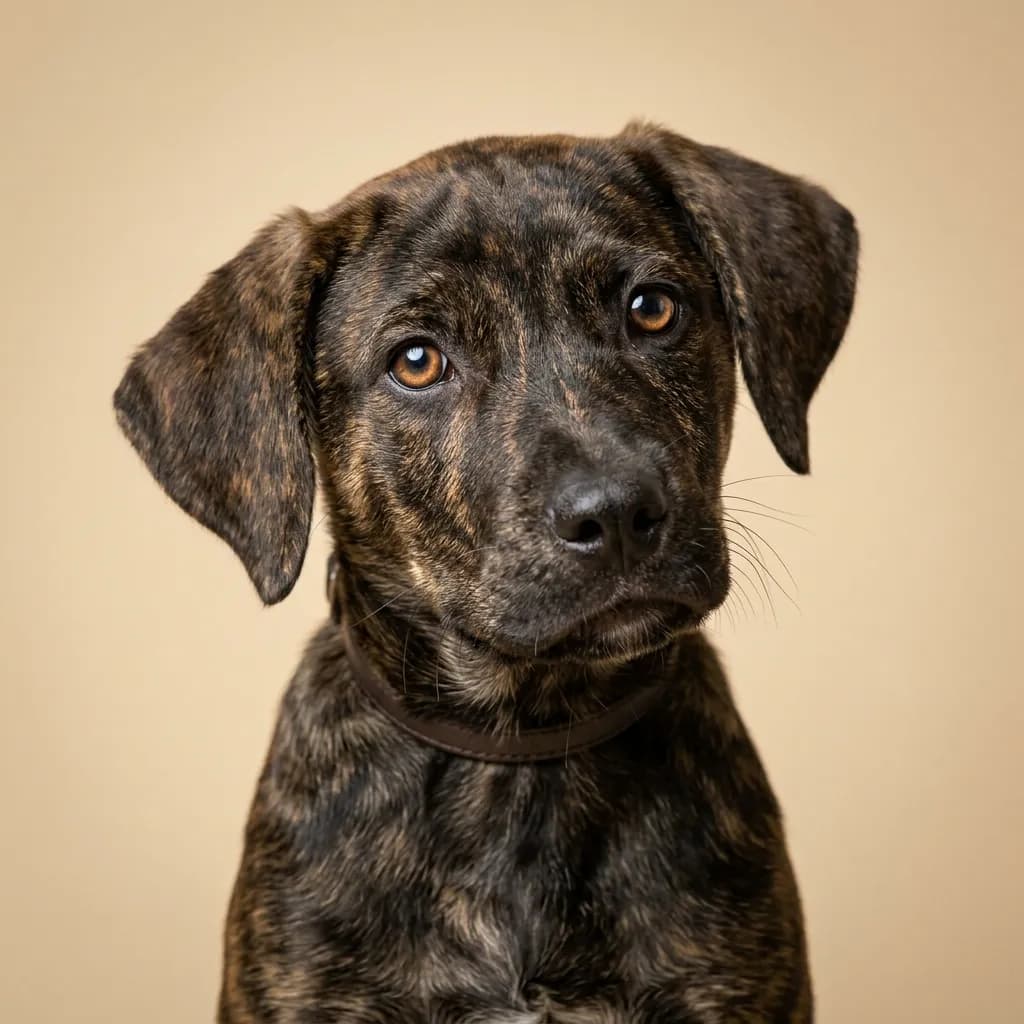
You don’t see Newfoundlands and Plott Hounds in the same conversation often, but people do cross them in searches. probably because both are rugged, lesser-known breeds with strong American ties and a loyal following. That’s where the similarity ends. One’s a gentle giant born to plow through icy waves; the other’s a lean, relentless tracker bred to bay at bears in the Smoky Mountains. Choosing between them isn’t about preference. it’s about lifestyle. The Newfoundland is the dog you get when you want a family anchor. At 130 pounds of calm, drooly love, it’s the one lying under the kids’ playset, taking sticky fingers and tug-of-war with equal patience. It thrives near water, loves swimming, and will haul you out if you’re in trouble. literally. But it’s not built for heat, apartments, or neat floors. You’ll clean up hair and slobber daily, and you’ll accept that bloat is a real risk with such a deep chest. The Plott Hound is the opposite kind of commitment. Lean, energetic, and loud, it’s not a cuddler on demand. It’s the dog that wakes you at 5 a.m. because it smells a raccoon three blocks away. It bonds fiercely with its people but isn’t naturally kid-tolerant in the way a Newfie is. It needs miles of trail, a job, or at least a committed hunter who respects its drive. Here’s what the data won’t tell you: Newfoundlands grieve deeply. They attach hard and feel loss acutely. sometimes refusing to eat after a family member leaves. Plott Hounds, meanwhile, are stubborn in ways training books don’t prepare you for. You can’t out-alpha them. You earn their cooperation. Pick the Newfoundland if you want devotion as big as its paws. Pick the Plott if you want a wild-hearted partner who’ll remind you that dogs were born to run.
Trait-by-trait
Higher bar = more of that trait. Shedding, barking, drooling, grooming flipped for readability.Where they diverge
Choose the Newfoundland if…
- Families with children
- Water and outdoor enthusiasts
- Those wanting a gentle giant
- You value drooling level — Newfoundland scores noticeably higher.
Choose the Plott Hound if…
- Hunters
- Active outdoor owners
- Rural settings
- You value barking level — Plott Hound scores higher here.