Newfoundland vs Tosa
Side-by-side comparison across all 14 AKC trait ratings, with a clear verdict on which breed fits which kind of household.

Not sure which breed fits your life?
Answer five questions about your home, your schedule, and your tolerance for shedding. We’ll match you to your top three breeds from over 200.
Newfoundland vs Tosa
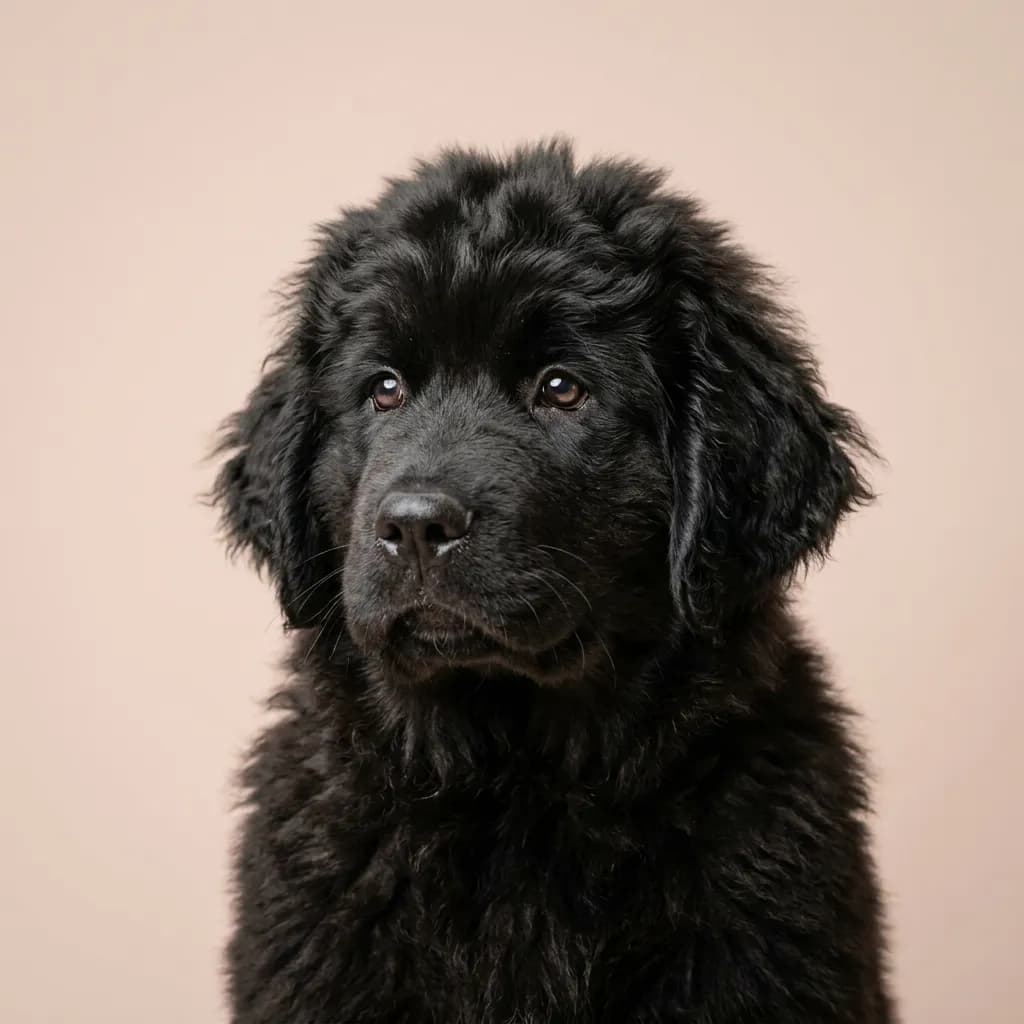
People compare Newfoundlands and Tosas because they’re both massive, calm-looking dogs that seem like gentle giants on the surface. But dig deeper and you’re looking at two entirely different souls behind similar sizes. The Newfoundland is the dog that swims out to save swimmers, wags through rainstorms, and lets toddlers climb on it like a furry couch. It’s bred for water rescue, has a soft, water-resistant coat, and radiates sweetness. You’ll find it on lakeshores, boat docks, or beside a kid’s swing set, tail thumping in slow motion. It drools, sheds, and needs space, but it loves everyone, barks hardly at all, and adapts well to family life as long as it has yard access and cool temps. The Tosa is quieter, yes, but that calm comes from a different place. It’s a descendant of Japanese fighting dogs, and while modern breeders aim for stable temperaments, that history means it’s intensely reserved around strangers, less predictable with kids, and deeply loyal to one person or household. It won’t bark much without reason, but when it does, it means business. It needs experienced handling, early socialization, and a home where it won’t be startled or provoked. Some places ban it outright. It sheds less than a Newfoundland, but it’s far less adaptable. Here’s the real difference: the Newfoundland wants to love your whole world. The Tosa wants to guard his. Families with kids and outdoor lifestyles should go Newfoundland. Experienced owners seeking a solemn, watchful companion in a massive frame might choose a Tosa. but only if they understand the weight of that responsibility. And one truth the data won’t tell you: both dogs are quiet, but a Newfoundland’s silence feels warm. A Tosa’s feels like it’s listening.
Trait-by-trait
Higher bar = more of that trait. Shedding, barking, drooling, grooming flipped for readability.Where they diverge
Choose the Newfoundland if…
- Families with children
- Water and outdoor enthusiasts
- Those wanting a gentle giant
- You value good with other dogs — Newfoundland scores noticeably higher.
Choose the Tosa if…
- very experienced large-breed owners
- homes with secure property
- owners seeking a calm giant breed companion
- You value barking level — Tosa scores higher here.