Norwegian Buhund vs Shikoku
Side-by-side comparison across all 14 AKC trait ratings, with a clear verdict on which breed fits which kind of household.
Not sure which breed fits your life?
Answer five questions about your home, your schedule, and your tolerance for shedding. We’ll match you to your top three breeds from over 200.
Norwegian Buhund vs Shikoku
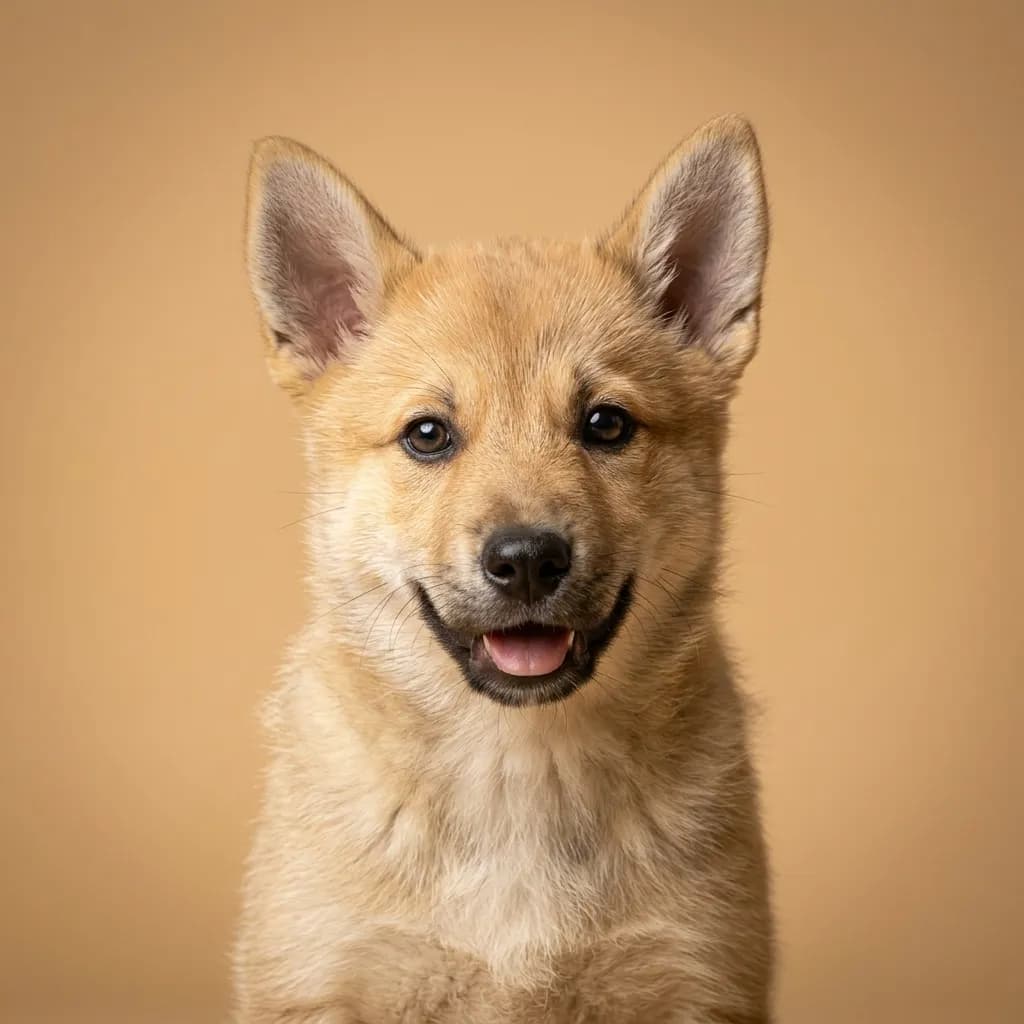
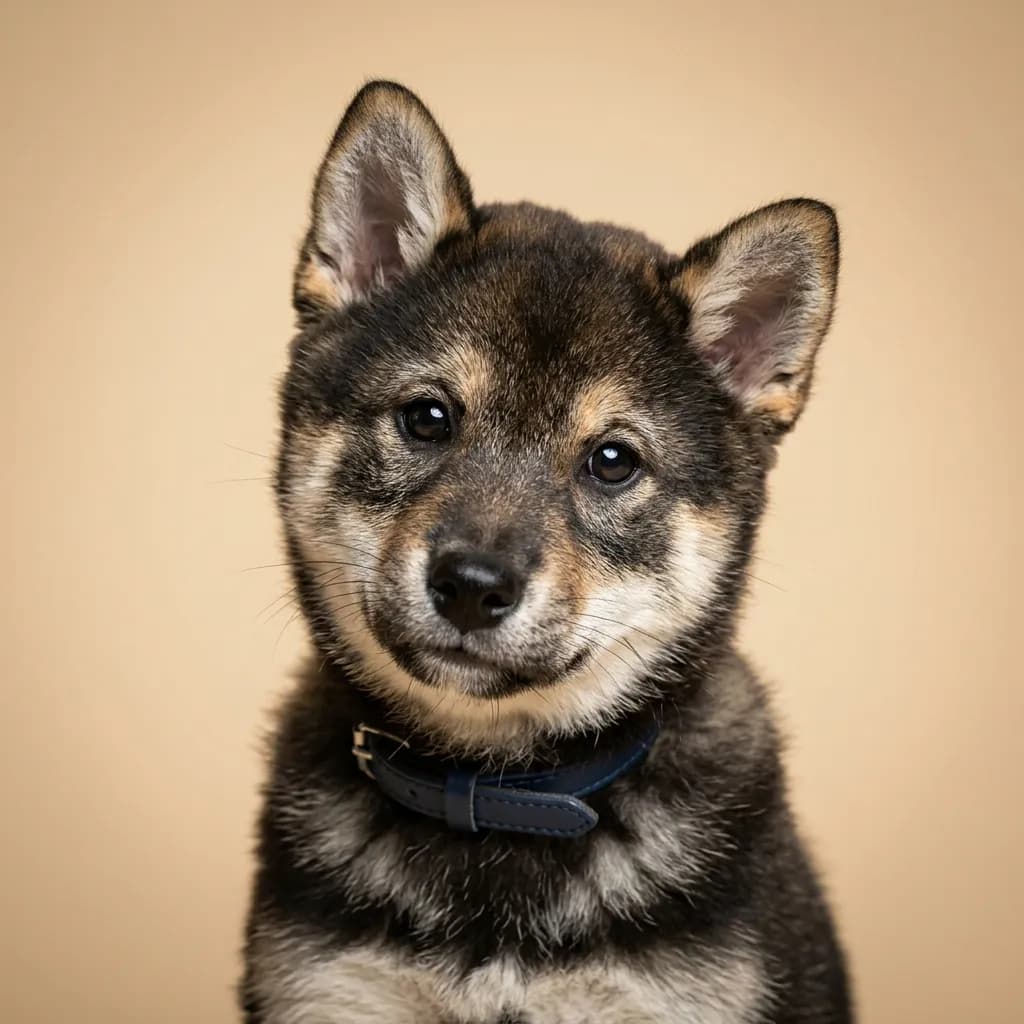
People compare the Norwegian Buhund and Shikoku because they’re both rare, spitz-type dogs with fox-like faces and a reputation for independence. At first glance, they seem like two sides of the same coin. lively, loyal, and built for rugged terrain. But if you’re choosing between them, the differences aren’t just in the details, they’re in the dog. The Buhund is your cheerful, full-throttle farmhand. It’s smaller, louder, and thrives on involvement. Think of it as the extroverted herding dog that wants to bark at every passing squirrel, play agility after breakfast, and then curl up on your lap like it owns you. It bonds deeply with its family and adapts well to different homes. as long as it gets daily mental and physical work. It’s not the easiest to train, but it’ll try hard to please. The Shikoku is different. It’s more reserved, more intense, and carries a quiet focus that can feel almost feral. Originally bred to track game in mountainous terrain, it’s got that independent streak turned up. You’re not just training a Shikoku. you’re negotiating with it. It won’t follow commands out of eagerness like the Buhund. It needs a reason. This isn’t a dog for weekend hikes and backyard lounging. It needs purpose. If you’re active, experienced, and want a dog that’s more partner than pet, the Shikoku might call to you. But if you want affection on tap, a dog that’s eager to join the family chaos and can handle cold weather and a busy schedule, the Buhund is your bet. Here’s the real talk: both bark, both shed, and both need early socialization. But the Buhund will forgive your mistakes. The Shikoku won’t forget them.
Trait-by-trait
Higher bar = more of that trait. Shedding, barking, drooling, grooming flipped for readability.Where they diverge
Choose the Norwegian Buhund if…
- Active families
- Cold climate dwellers
- Dog sport enthusiasts
- You value affectionate w/ family — Norwegian Buhund scores noticeably higher.
Choose the Shikoku if…
- Experienced dog owners
- Active outdoor enthusiasts
- Those wanting a primitive, independent breed
- You value coat grooming — Shikoku scores higher here.