Papillon vs Whippet
Side-by-side comparison across all 14 AKC trait ratings, with a clear verdict on which breed fits which kind of household.

Not sure which breed fits your life?
Answer five questions about your home, your schedule, and your tolerance for shedding. We’ll match you to your top three breeds from over 200.
Papillon vs Whippet
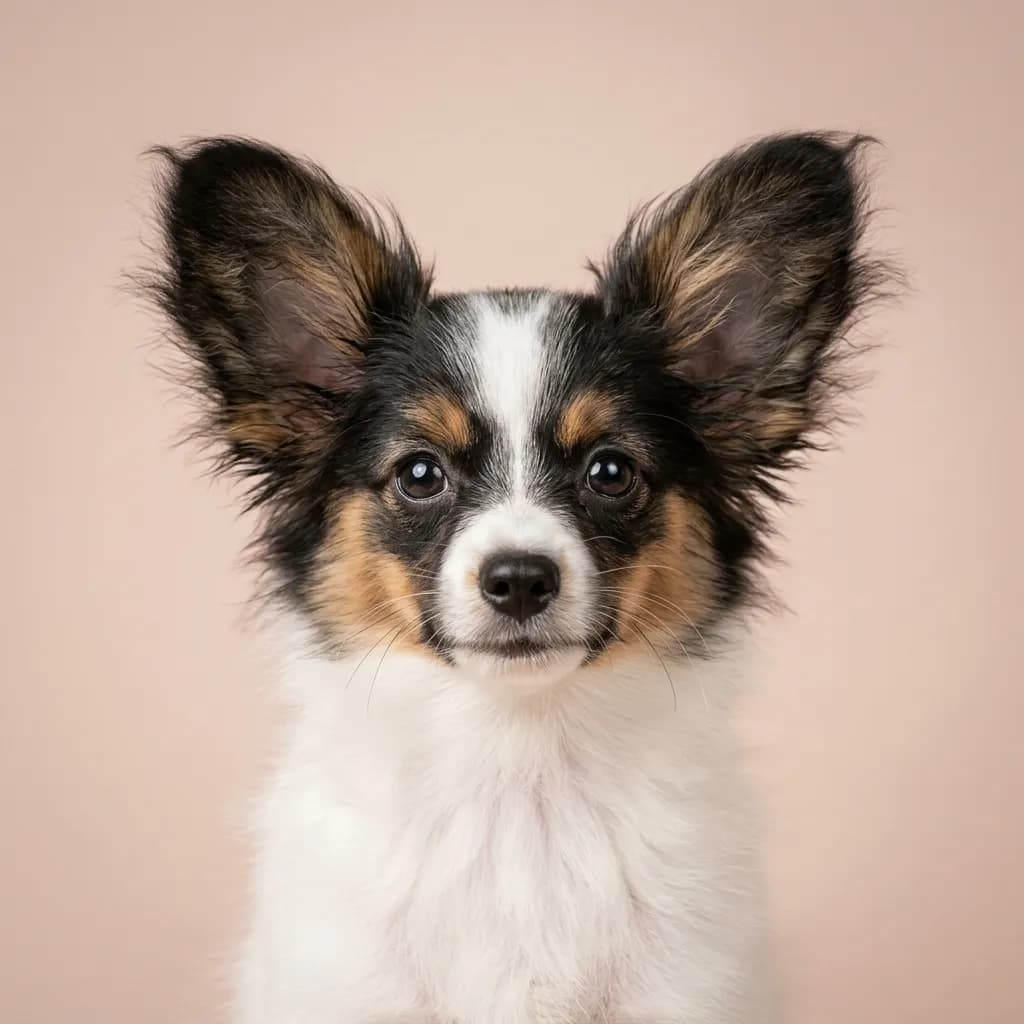
People compare Papillons and Whippets because they’re both sleek, graceful dogs that thrive in active homes and apartments. At first glance they seem like opposites. one tiny enough to fit in your tote bag, the other built like a miniature greyhound. but they share surprising similarities. Both are affectionate, low-shedding, and love being close to their people. But the real story is in how they bring energy into your life, and how they expect you to return the favor. The Papillon is a spark plug. This dog is always on, always watching, always ready to bark at the mail carrier like it’s a national emergency. They’re brilliantly trainable, excel in agility, and need constant mental stimulation. If you’re into dog sports or want a featherweight dog with a big-dog personality, they’re magic. But if you’re looking to unwind after work in silence? This isn’t your breed. They’re fragile around toddlers, and their alertness borders on obsessive if not managed. The Whippet, by contrast, is a sprinter who crashes hard. They’ll tear around the yard at 35 mph, then curl up on your lap for 18 hours. They’re quiet, gentle, and deeply bonded to their people, but less eager to please than a Papillon. Training takes patience. And while they adapt well to city living, they need space to run safely. fenced yards aren’t optional. Without it, that prey drive kicks in and your local squirrel population is in trouble. Here’s the insight most people miss: both breeds are emotionally sensitive. They don’t do well with harsh tones or inconsistency. But the Papillon needs engagement like oxygen; the Whippet needs peace. Choose the Papillon if you want a dog who’s always involved. Choose the Whippet if you want a soulful companion who races the wind, then melts into you.
Trait-by-trait
Higher bar = more of that trait. Shedding, barking, drooling, grooming flipped for readability.Where they diverge
Choose the Papillon if…
- Apartment living
- Active owners
- Families with older children
- You value barking level — Papillon scores noticeably higher.
Choose the Whippet if…
- Apartment living (if exercised)
- Families with older children
- Runners and joggers
- You value good with other dogs — Whippet scores higher here.