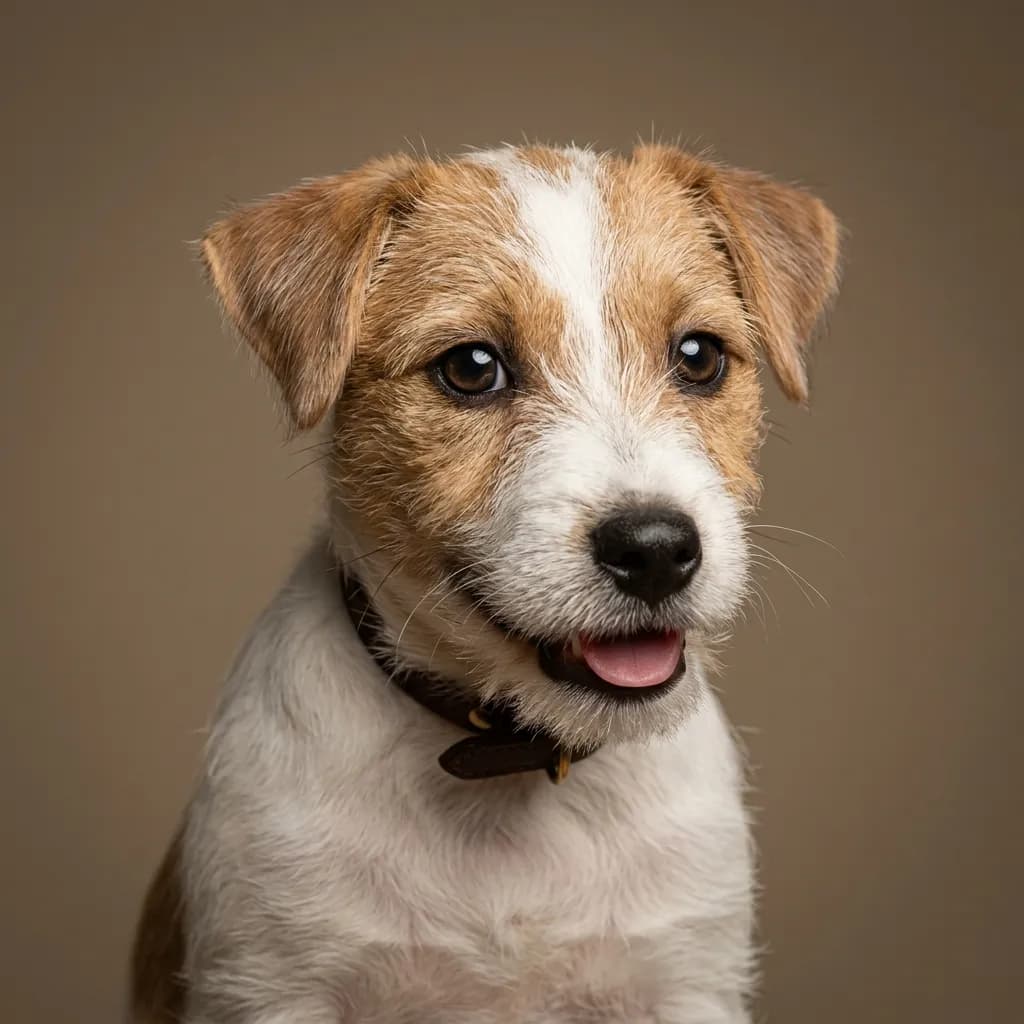
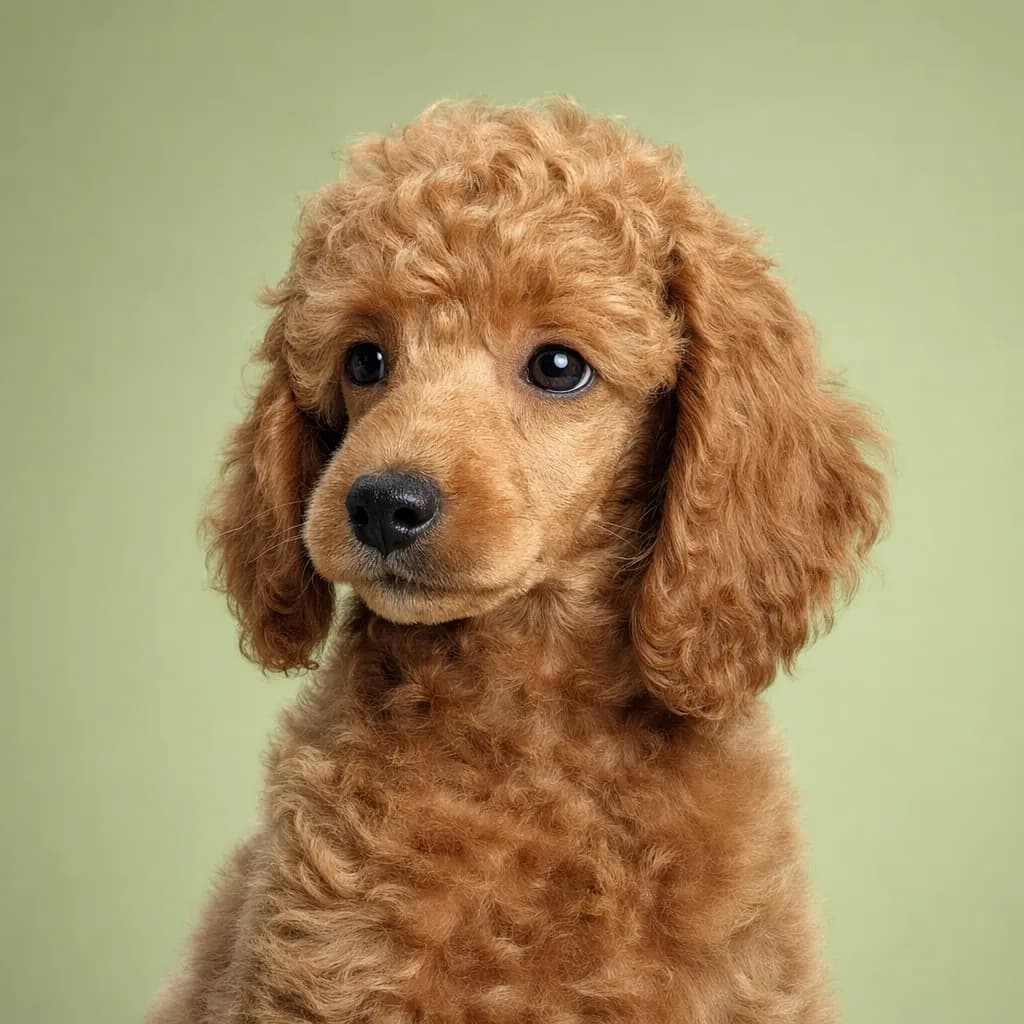
Parson Russell Terrier vs Poodle
Side-by-side comparison across all 14 AKC trait ratings, with a clear verdict on which breed fits which kind of household.
Not sure which breed fits your life?
Answer five questions about your home, your schedule, and your tolerance for shedding. We’ll match you to your top three breeds from over 200.
Parson Russell Terrier vs Poodle
People compare Parson Russell Terriers and Standard Poodles because both are smart, energetic dogs that thrive with active owners. But that’s where the similarities end. If you’re torn between them, you’re really choosing between a scrappy, no-nonsense little dynamo and a polished, brainy gentle giant. The Parson Russell is a firecracker in a white coat. These dogs were built to bolt foxes out of dens, which means they’re fearless, relentless, and always three steps ahead of you. They’ll keep up with your mountain biking and still want more. But they’re not for everyone. They bark when excited, they’ll chase squirrels into traffic, and if you have a pet hamster? Forget it. These dogs demand an owner who speaks fluent terrier, someone who doesn’t mind a bit of chaos and has the patience to train consistently. They bond fiercely with their people but can be wary of kids if not properly socialized. The Standard Poodle, on the other hand, is like the valedictorian who also won homecoming. They’re eager to please, naturally gentle with children, and adapt just as well to city apartments as they do to country estates. Their coat doesn’t shed, which is a godsend for allergy sufferers, but it means grooming every six weeks without fail. Skip it, and you’ll have a matted mess on your hands. Here’s the truth beyond the data: the Parson Russell wants to lead the hunt. The Poodle wants to impress you. If you want a partner who challenges you, go Parson. If you want a dog who’ll mirror your energy and charm everyone you meet, go Poodle. One’s a wild spark. The other’s a polished flame. Pick your fire.
Trait-by-trait
Higher bar = more of that trait. Shedding, barking, drooling, grooming flipped for readability.Where they diverge
Choose the Parson Russell Terrier if…
- Active owners
- Outdoor and equestrian families
- Experienced terrier handlers
- You value good with other dogs — Parson Russell Terrier scores noticeably higher.
Choose the Poodle if…
- Allergy sufferers
- Active families
- First-time owners
- You value good with young children — Poodle scores higher here.