Parson Russell Terrier vs Schapendoes
Side-by-side comparison across all 14 AKC trait ratings, with a clear verdict on which breed fits which kind of household.
Not sure which breed fits your life?
Answer five questions about your home, your schedule, and your tolerance for shedding. We’ll match you to your top three breeds from over 200.
Parson Russell Terrier vs Schapendoes
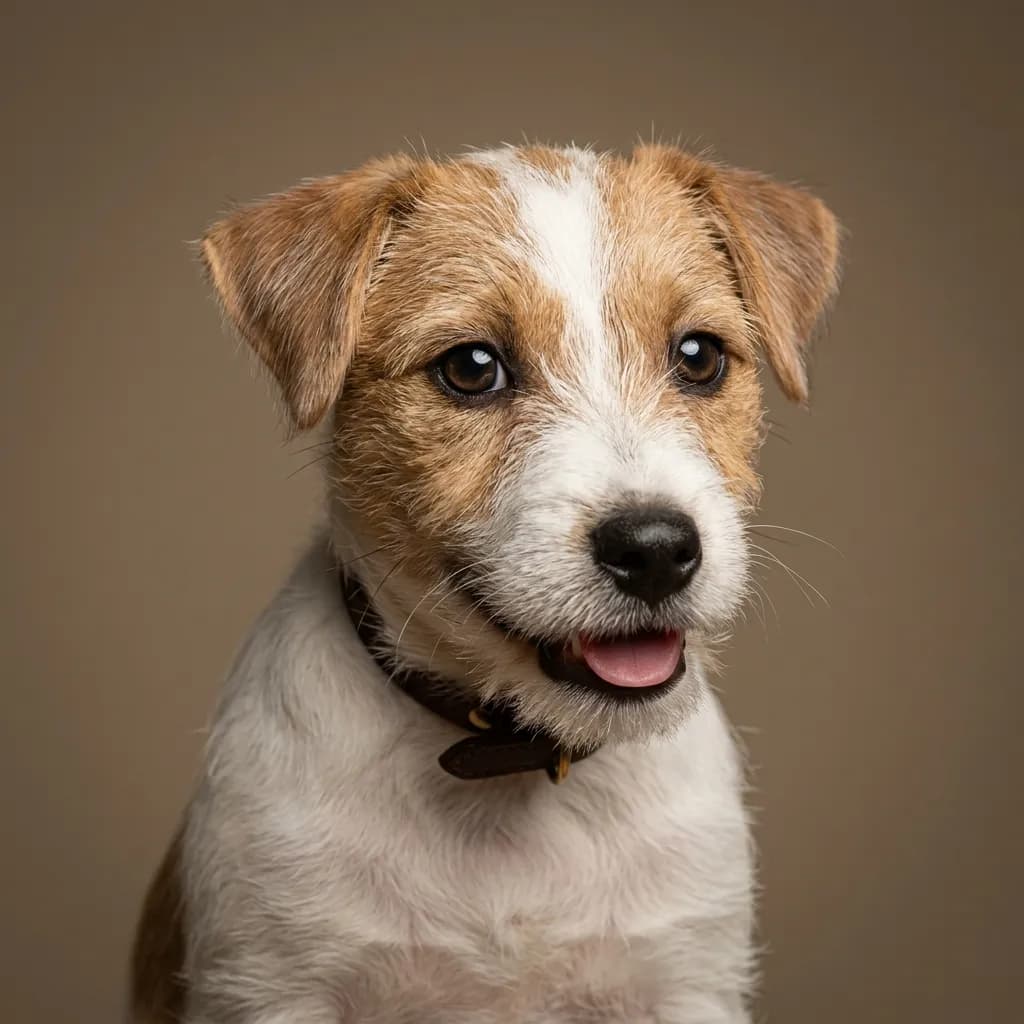
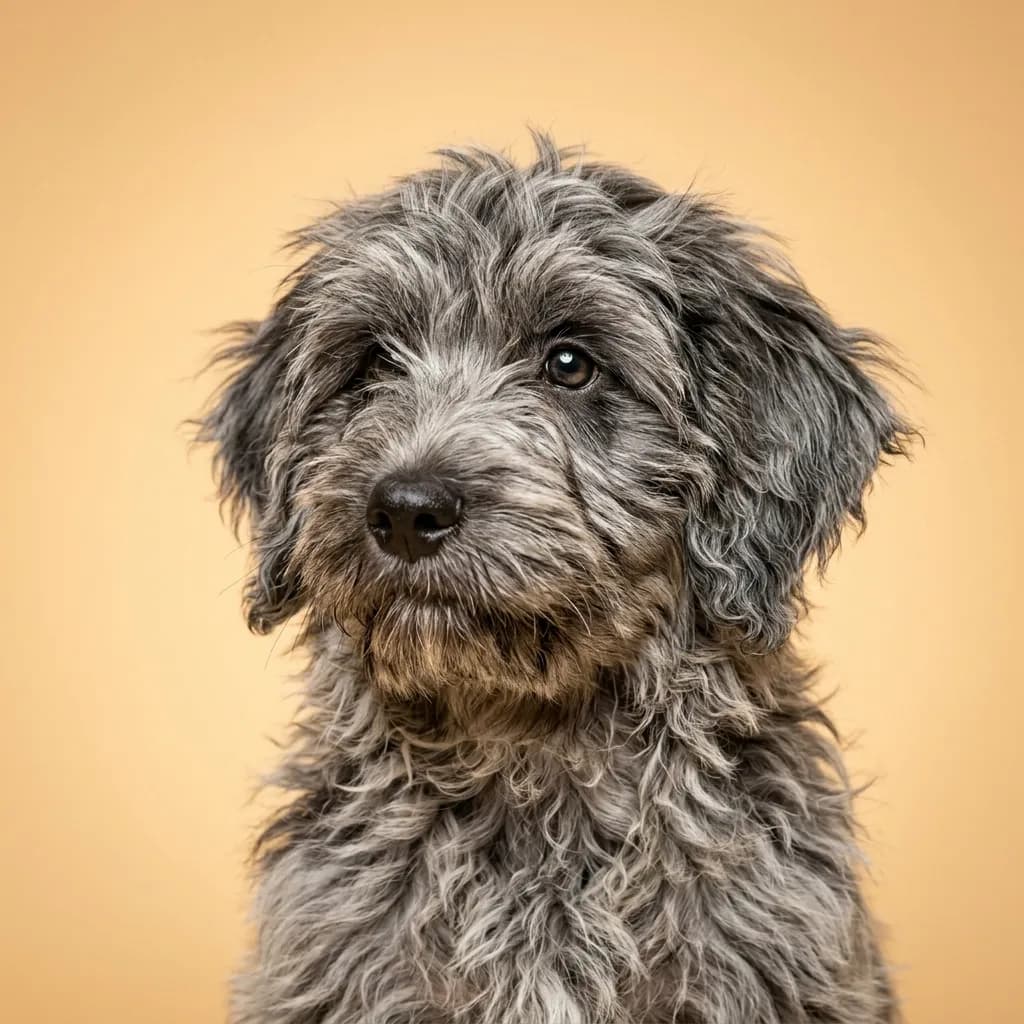
You don’t see many people torn between a Parson Russell Terrier and a Schapendoes, but if you’re into active, clever dogs with big personalities and zero interest in laziness, the comparison makes sense. Both are friendly, energetic, and thrive with mental challenges. But that’s where the similarities end. The Parson is a firecracker in a 14-inch frame. Bred to bolt foxes from dens, this dog has a one-track mind when stimulated. squirrel? Gone. Tunnel? Dug. Quiet evening on the couch? Not happening. They bond intensely, yes, but they’re terriers through and through: stubborn, fearless, and prone to chasing anything that moves. You need experience, a secure yard, and a love for chaos wrapped in affection. The Schapendoes, meanwhile, looks like a shaggy mountain goat crossed with a spaniel and thinks like a seasoned strategist. Bred to herd sheep across rugged Dutch terrain, they’re biddable, eager to please, and surprisingly nimble in dog sports. Their long, woolly coat demands brushing every other day. skip it and you’ll get mats by Tuesday. But their energy is focused, not frantic. They want to work with you, not just run ahead of you. If you’re a hiker, equestrian, or agility junkie with time to train, the Parson might be your thrill ride. But if you want a dog that’s equally happy trekking, competing, and still checking in with you every few seconds, the Schapendoes is your partner. Here’s the real talk: the Parson will love you wildly but on its own terms. The Schapendoes? It lives for your approval. That difference in drive. prey versus partnership. shapes everything.
Trait-by-trait
Higher bar = more of that trait. Shedding, barking, drooling, grooming flipped for readability.Where they diverge
Choose the Parson Russell Terrier if…
- Active owners
- Outdoor and equestrian families
- Experienced terrier handlers
- You value energy level — Parson Russell Terrier scores noticeably higher.
Choose the Schapendoes if…
- active families
- agility and herding sport enthusiasts
- experienced herding breed owners
- You value watchdog / protective — Schapendoes scores higher here.