Pekingese vs Soft Coated Wheaten Terrier
Side-by-side comparison across all 14 AKC trait ratings, with a clear verdict on which breed fits which kind of household.
Not sure which breed fits your life?
Answer five questions about your home, your schedule, and your tolerance for shedding. We’ll match you to your top three breeds from over 200.
Pekingese vs Soft Coated Wheaten Terrier
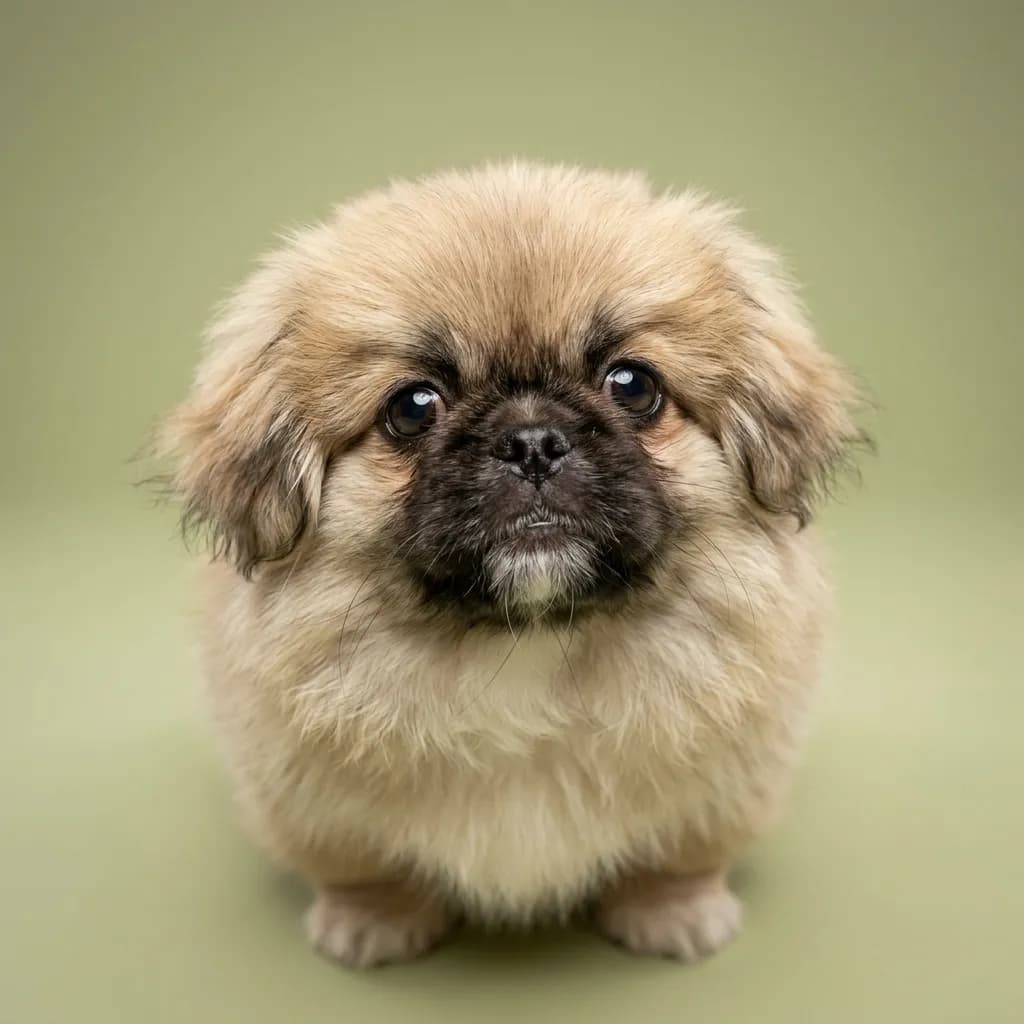
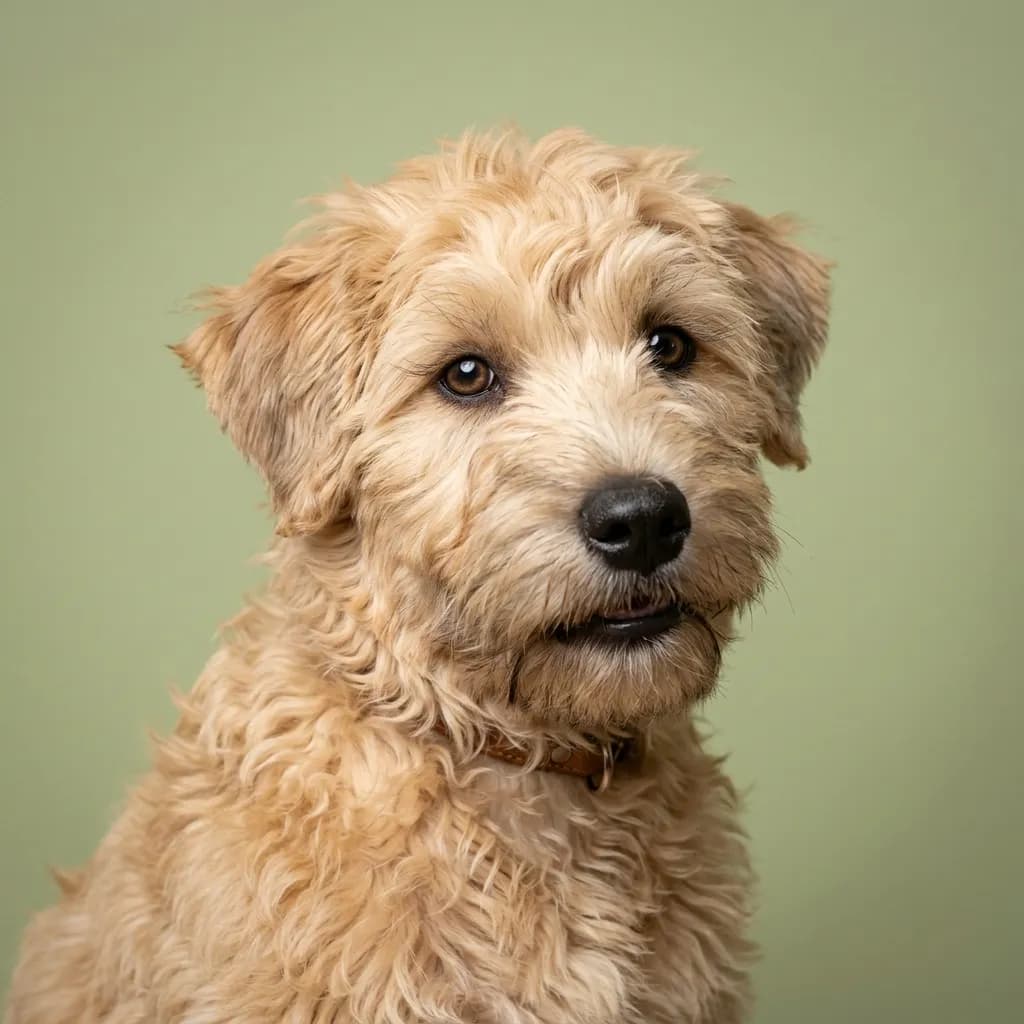
You’re probably not comparing a Pekingese and a Soft Coated Wheaten Terrier because they look alike. One looks like a miniature lion that time forgot, the other like a bouncy golden cloud with a case of the zoomies. But both come up when people want a loyal, affectionate dog with a big personality and minimal shedding. That’s where the similarities end. The Pekingese is a lapdog with the soul of an emperor. Calm, dignified, and deeply attached to one or two people, it thrives in quiet apartments and adores seniors or couples who want a constant, low-maintenance companion. It’s not built for hikes or playdates at the park. It’s built for being carried, pampered, and treated like royalty. But that flat face means breathing struggles in heat or humidity, and it’s not the best fit around rambunctious kids who might not understand its fragile body and stubborn streak. The Wheaten? This is the happy-go-lucky farm dog who never got the memo he’s now a family pet. Energetic, goofy, and endlessly patient with children, it lives to be part of the action. It’s hypoallergenic in the sense it sheds almost nothing, but that silky coat needs weekly brushing and trims every few months. It’s not a couch potato. You’ll need space, time, and a yard where it can burn off that terrier energy. And while it’s deeply affectionate, it’s not the aloof, selective love of the Pekingese. it’ll greet the mailman like a long-lost cousin. Here’s the honest truth: the Pekingese wants to rule your lap. The Wheaten wants to join your life. Pick based on whether your ideal dog is a regal observer or an enthusiastic participant.
Trait-by-trait
Higher bar = more of that trait. Shedding, barking, drooling, grooming flipped for readability.Where they diverge
Choose the Pekingese if…
- Apartment living
- Seniors
- Singles or couples
- You value shedding level — Pekingese scores noticeably higher.
Choose the Soft Coated Wheaten Terrier if…
- Active families
- Allergy sufferers
- Families with children
- You value good with young children — Soft Coated Wheaten Terrier scores higher here.