Plott Hound vs Spanish Mastiff
Side-by-side comparison across all 14 AKC trait ratings, with a clear verdict on which breed fits which kind of household.
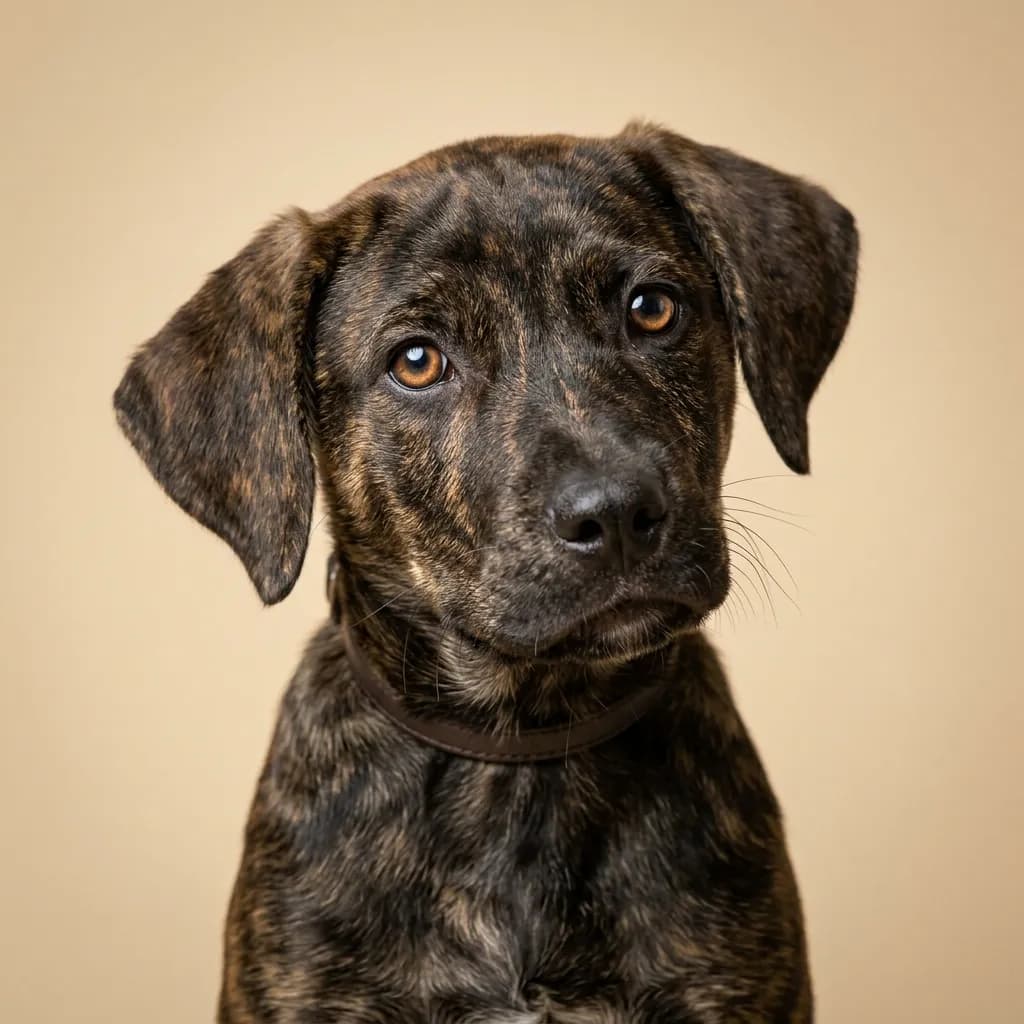
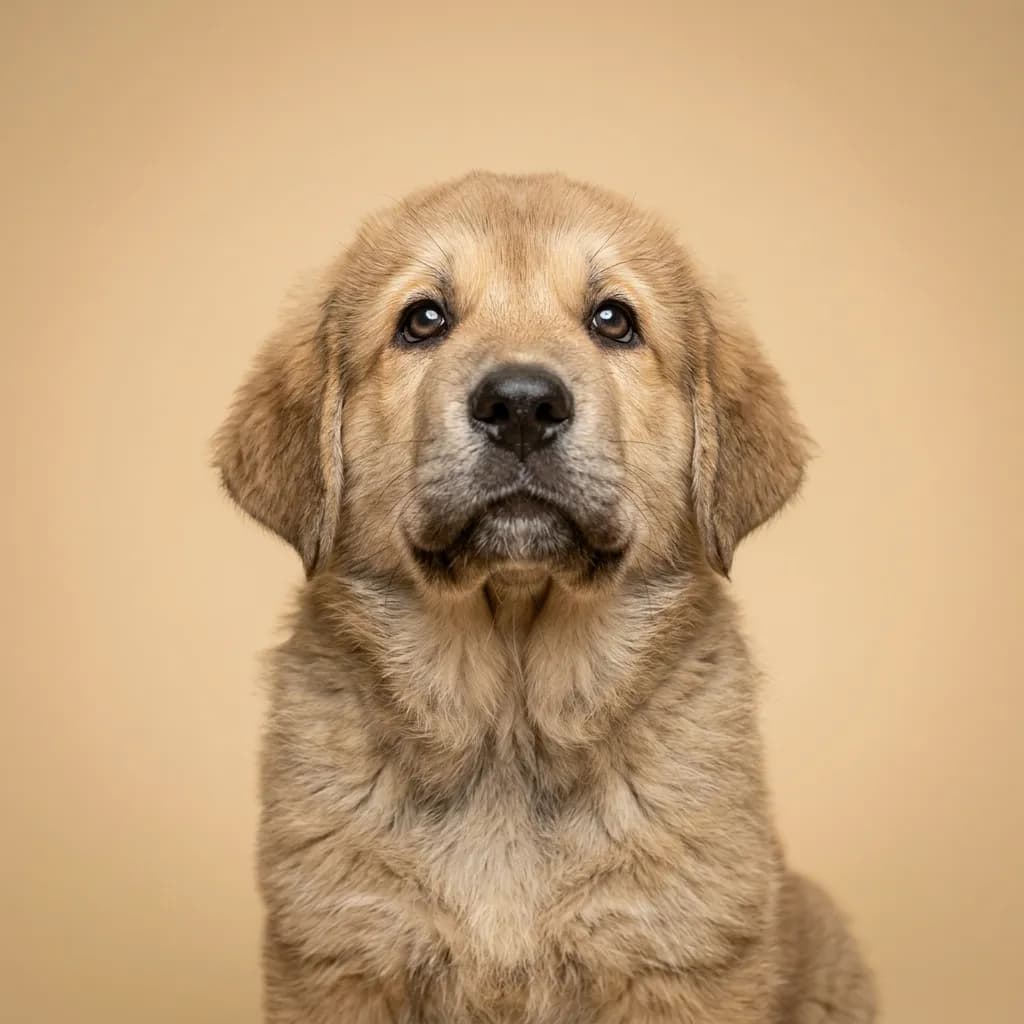
Not sure which breed fits your life?
Answer five questions about your home, your schedule, and your tolerance for shedding. We’ll match you to your top three breeds from over 200.
Plott Hound vs Spanish Mastiff
People don’t usually pit a lean mountain hunter against a woolly livestock guardian, but if you’re standing in a field at dawn with 10 acres and a job only a big, bold dog can do, these two come up. Both are deeply loyal, both were forged by rugged work, and both demand experience. That’s where the similarities end. The Plott Hound is all coiled energy and focus. At 50 pounds, it’s built for logging miles through wet woods, tracking bear or boar with a nose like a bloodhound and a bark that carries for half a ridge. You’ll want this dog if you hunt, hike hard, or need a tireless companion who thrives on mission. It’s affectionate to the point of velcro-dog behavior but can be mouthy and loud with strangers. Kids aren’t its favorite, and apartments are a hard no. Without real work or long daily runs, it’ll turn your shed into a demolition project. The Spanish Mastiff, meanwhile, is a moving fortress. At 180 pounds, it’s not built to chase. it’s built to stand. Calm, quiet, and deeply observant, it patrols its domain with slow, deliberate power. Bred to walk for weeks with flocks across Spanish highlands, it’s independent by nature. Training takes patience; it’s not eager to please like a retriever. It bonds fiercely with its family and will deter predators without hesitation. But its size means bloat is a real risk, and you’ll need space. both in yard and in lifestyle. This isn’t a dog for doting city dwellers or weekend warriors. Here’s the unspoken truth: the Plott needs a partner. The Mastiff needs a kingdom. Pick based on what kind of commitment you’re ready for. active partnership or quiet stewardship. One follows you into the woods. The other watches your world from the ridge.
Trait-by-trait
Higher bar = more of that trait. Shedding, barking, drooling, grooming flipped for readability.Where they diverge
Choose the Plott Hound if…
- Hunters
- Active outdoor owners
- Rural settings
- You value barking level — Plott Hound scores noticeably higher.
Choose the Spanish Mastiff if…
- Experienced large-breed owners
- Farm or rural settings
- Livestock guardian needs
- You value drooling level — Spanish Mastiff scores higher here.