Pointer vs Porcelaine
Side-by-side comparison across all 14 AKC trait ratings, with a clear verdict on which breed fits which kind of household.

Not sure which breed fits your life?
Answer five questions about your home, your schedule, and your tolerance for shedding. We’ll match you to your top three breeds from over 200.
Pointer vs Porcelaine
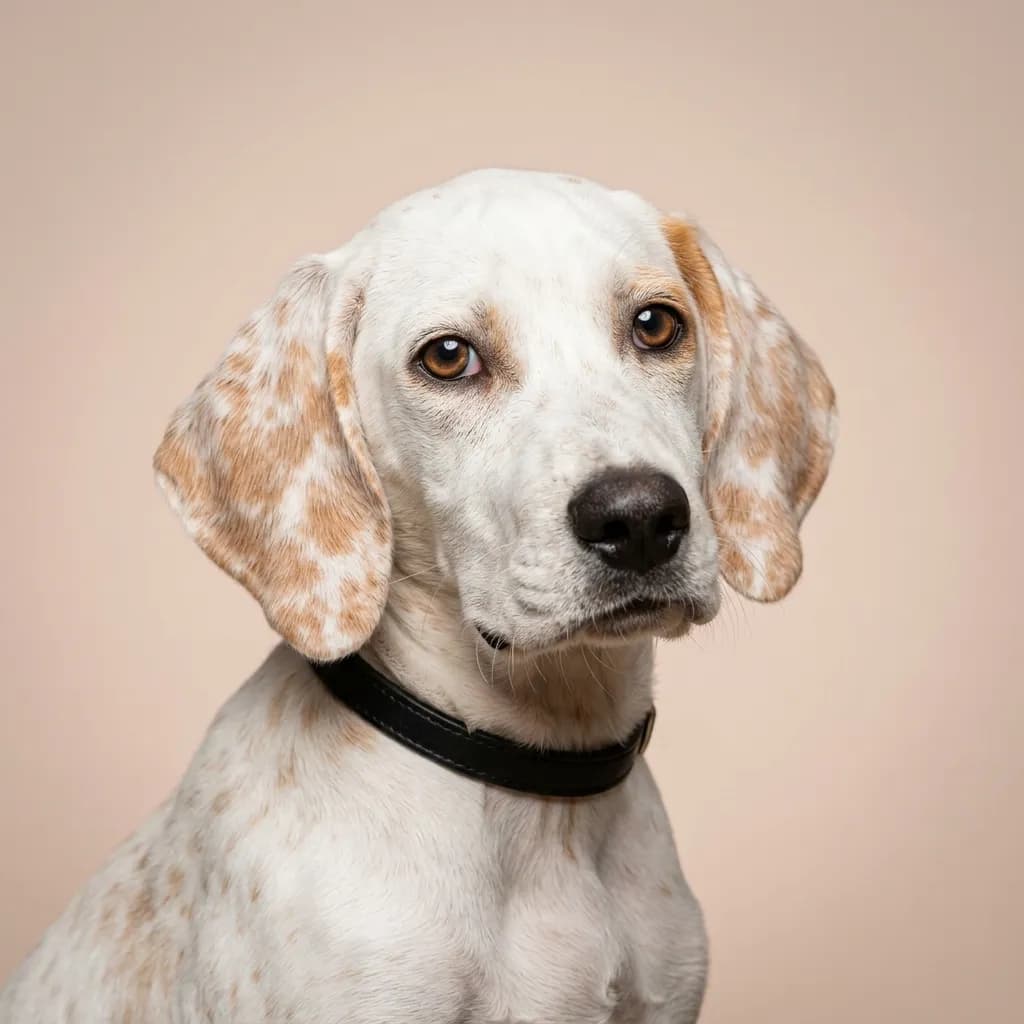
People toss Pointers and Porcelaines into the same conversation because they’re both lean, driven hunting dogs with a nose for adventure. But that’s where the similarity ends. Think of it like this: the Pointer is your all-terrain running partner who thrives on routine and teamwork, while the Porcelaine is the free-spirited trail hound who’d rather follow a scent into the next county than wait for instructions. The Pointer wants to please. They’re eager, trainable, and bond deeply with their people. If you’re out hunting birds or training for agility, they’re right there with you, focused and ready. They need space and activity, yes, but they adapt better to structured active homes. weekend hikes, consistent training, a fenced yard. They’re affectionate without being clingy and can handle kids just fine, though their energy might knock over a toddler. The Porcelaine? They’re built for woods, not suburbs. Bred to work in packs on cold trails, they’ve got independence wired into their DNA. You’ll train them, sure, but they’ll weigh your command against the squirrel trail and often choose the squirrel. They’re gentler with kids than you’d expect for a big-game hound, but their need for space, mental challenge, and scent work is non-negotiable. You don’t own a Porcelaine. you negotiate with it. Here’s the real talk: if you don’t hunt or can’t offer daily off-leash tracking or pack-style activities, the Porcelaine will find its own job. And that job might be howling at 3 a.m. or dismantling your fence. The Pointer’s easier to integrate into family life, but the Porcelaine? They’re a lifestyle commitment. Pick the Pointer if you want a partner. Pick the Porcelaine only if you’re ready to join their world.
Trait-by-trait
Higher bar = more of that trait. Shedding, barking, drooling, grooming flipped for readability.Where they diverge
Choose the Pointer if…
- Active families
- Hunters and field sport enthusiasts
- Outdoor and running enthusiasts
- You value affectionate w/ family — Pointer scores noticeably higher.
Choose the Porcelaine if…
- hunters
- active rural owners
- pack hound enthusiasts
- You value good with young children — Porcelaine scores higher here.