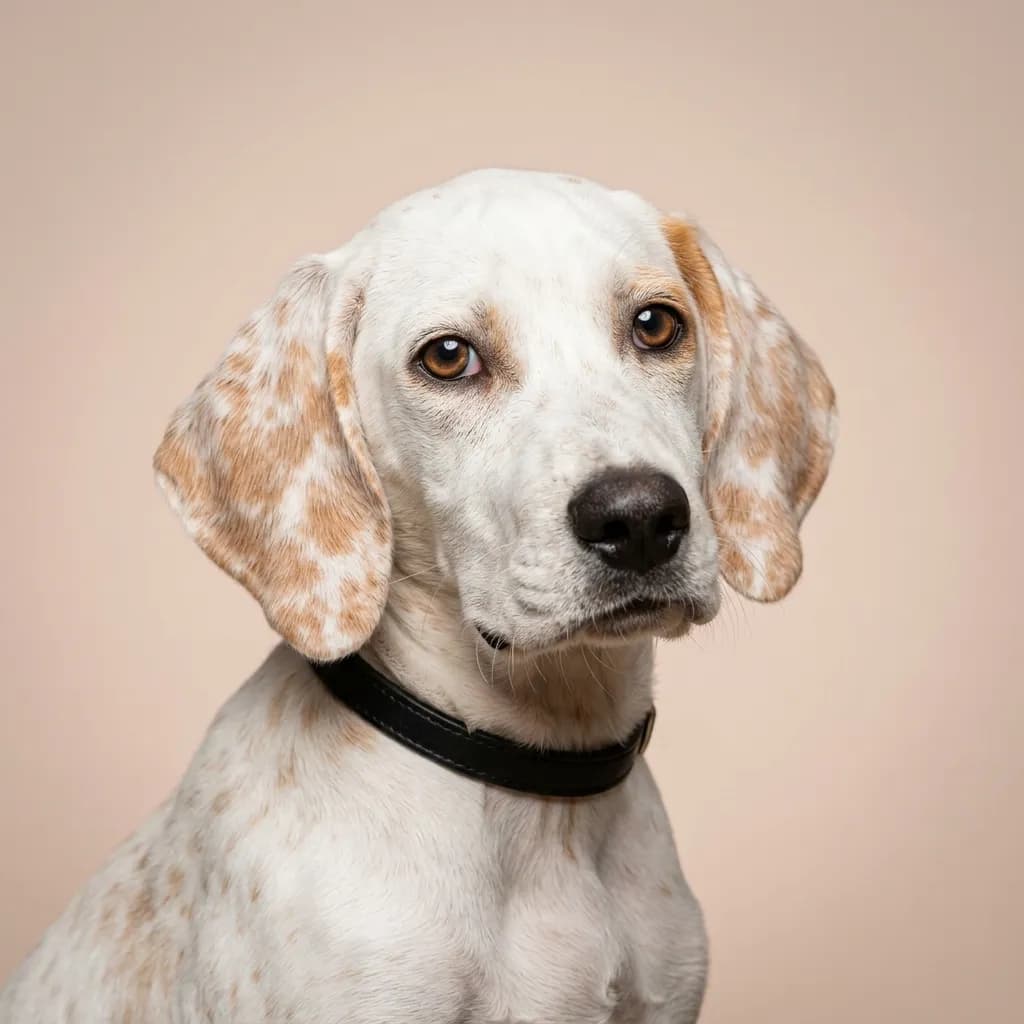
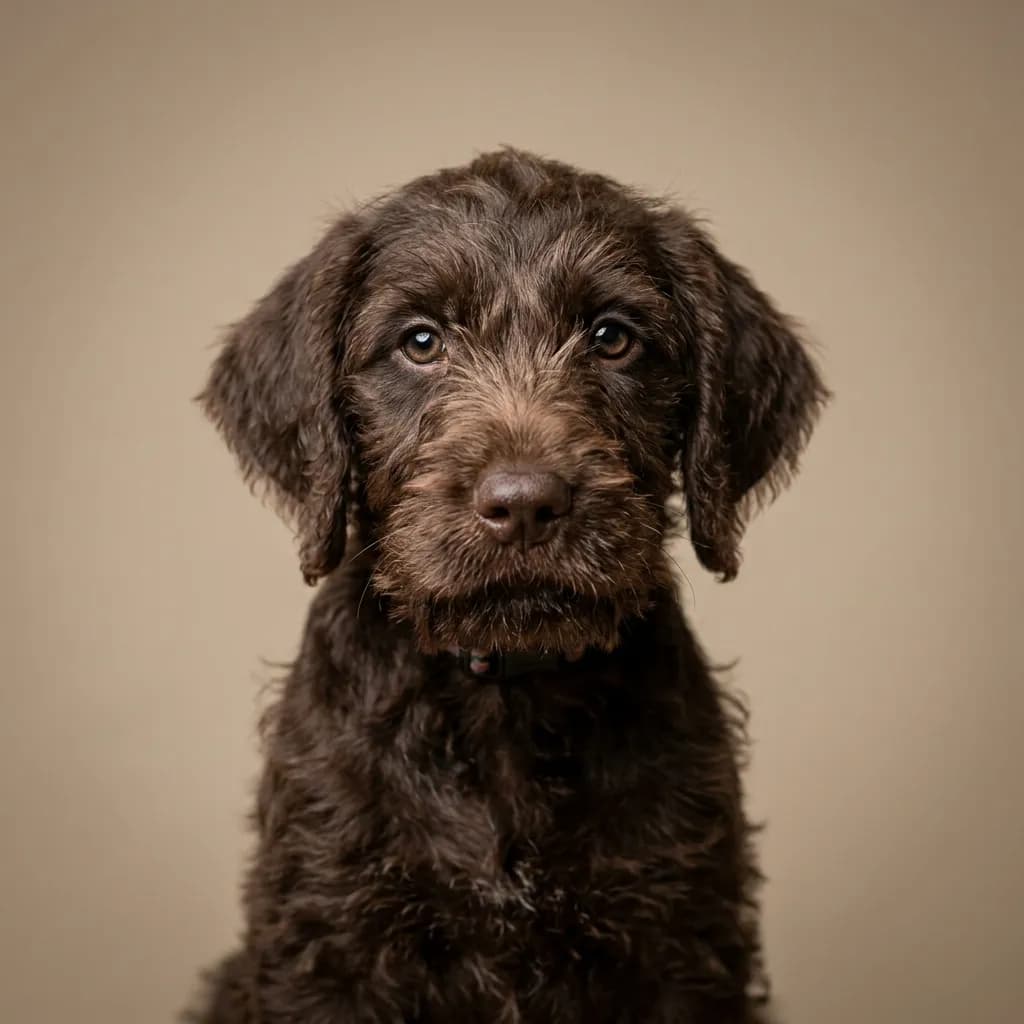
Porcelaine vs Pudelpointer
Side-by-side comparison across all 14 AKC trait ratings, with a clear verdict on which breed fits which kind of household.
Not sure which breed fits your life?
Answer five questions about your home, your schedule, and your tolerance for shedding. We’ll match you to your top three breeds from over 200.
Porcelaine vs Pudelpointer
You don’t see many Porcelaines or Pudelpointers at the dog park, and if you’re comparing them, you’re probably not going to the dog park much anyway. These are working dogs first, bred for hours in the field, not lounging on the patio. People cross them in their minds because both are rare, versatile hunting breeds with moderate shedding and high energy, but that’s where the trail splits. The Porcelaine is the sleek, focused athlete of the French woods. light on its feet, built for speed and stamina when tracking deer or boar through dense forest. It’s independent by nature, which means it thinks on its feet when the scent trail bends cold. You’ll need to earn its focus, but once you have it, you’ve got a partner who’s all in. It’s great with kids but less so with cats or rabbits, and it won’t adapt well to suburban life. It wants a pack, a purpose, and room to roam. The Pudelpointer, a German creation from Poodle and Pointer lines, is more of a willing student. eager to please, a bit softer in temperament, and built to handle both marsh and mountain. It’s a better fit if you want a dog that bonds closely with the whole family and doesn’t need to be a pack leader. It handles varied terrain and water with ease, and while it’s not suited for apartments either, it adapts slightly better to structured rural life. Here’s the real talk: the Porcelaine thrives when it’s part of a working pack, almost feral in its drive. The Pudelpointer? It wants to be your right-hand dog, right beside you, retrieving birds or hiking ridgelines. Choose the Porcelaine if you want a noble, driven hound with old-world grit. Pick the Pudelpointer if you want a versatile, devoted partner who’ll look to you every step of the way.
Trait-by-trait
Higher bar = more of that trait. Shedding, barking, drooling, grooming flipped for readability.Where they diverge
Choose the Porcelaine if…
- hunters
- active rural owners
- pack hound enthusiasts
- You value good with young children — Porcelaine scores noticeably higher.
Choose the Pudelpointer if…
- hunters
- very active owners
- waterfowl and upland bird hunters
- You value adaptability — Pudelpointer scores higher here.