Pointer vs Samoyed
Side-by-side comparison across all 14 AKC trait ratings, with a clear verdict on which breed fits which kind of household.

Not sure which breed fits your life?
Answer five questions about your home, your schedule, and your tolerance for shedding. We’ll match you to your top three breeds from over 200.
Pointer vs Samoyed
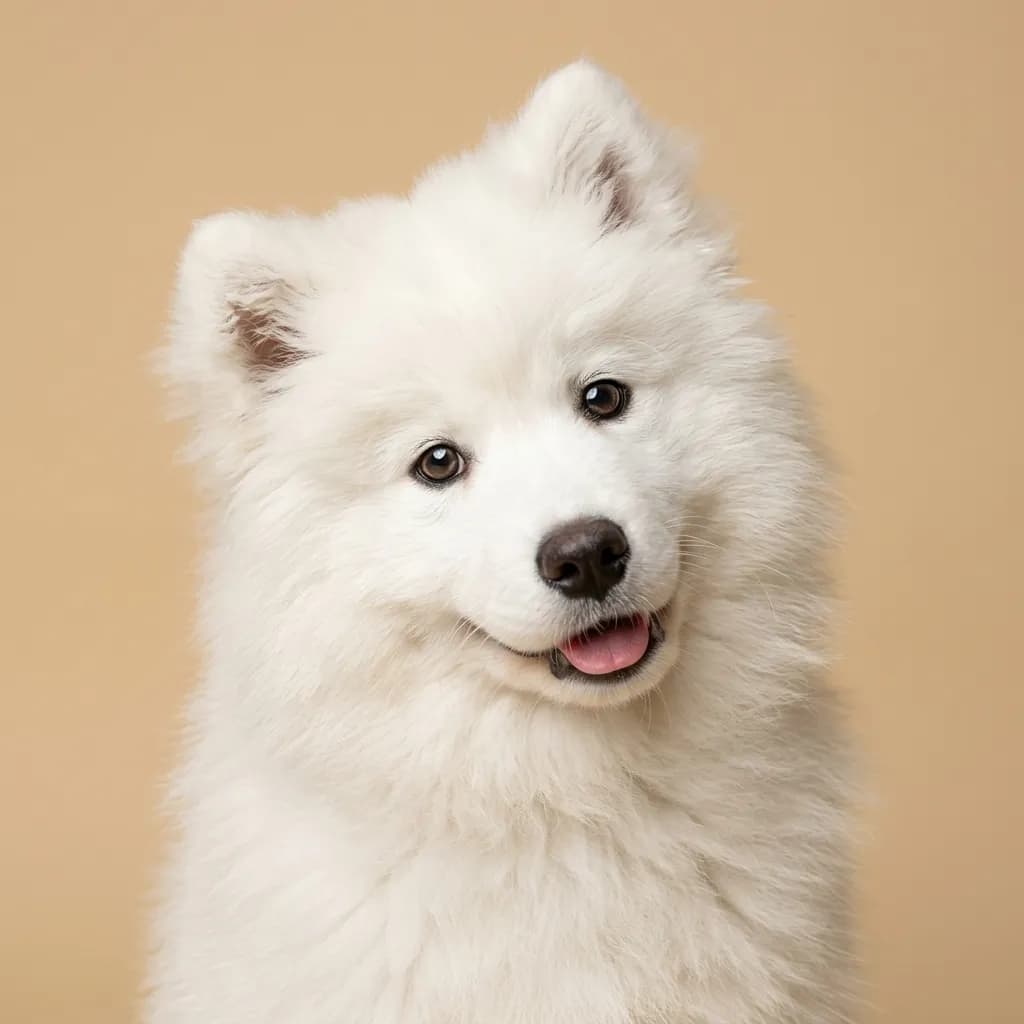
You don’t see this matchup every day. a Pointer and a Samoyed. but I get why people compare them. Both are white, energetic, and look like they’re always smiling. But that’s where the similarities end. If you’re torn between them, what you’re really deciding is whether you want a lean, laser-focused athlete or a fluffy, friendly clown built for cold. The Pointer is all business when it comes to movement and purpose. Bred to range far ahead of hunters, they need daily miles and mental challenges. They’ll bond tightly with their person, but they’re not the type to sit on your lap after a run. You’ll love their trainability and loyalty if you’re into hunting, dog sports, or just have a serious jogging habit. But don’t expect them to thrive in a city apartment or a sedentary home. they’ll turn restless fast. The Samoyed, on the other hand, is the people’s dog. They were born in the Arctic, pulling sleds and herding reindeer, but they’ve evolved into family comedians with a coat that stops traffic. They bark. often, about things you won’t understand. and they’ll shed year-round, especially if you live somewhere warm. But they’re incredibly affectionate and great with kids, always eager to be part of whatever you’re doing. Here’s the thing no breeder brochure tells you: the Samoyed’s sweetness comes with a stubborn streak in training, and their barking isn’t just occasional. it’s part of their job description. The Pointer won’t bark as much, but they’ll disappear if not contained, driven by a centuries-old instinct to chase. Pick the Pointer if you want a focused partner in adventure. Pick the Samoyed if you want a dog who acts like a best friend in fur. Just know. the Samoyed may love you, but they’ll also declare war on your quiet evenings.
Trait-by-trait
Higher bar = more of that trait. Shedding, barking, drooling, grooming flipped for readability.Where they diverge
Choose the Pointer if…
- Active families
- Hunters and field sport enthusiasts
- Outdoor and running enthusiasts
- You value good with other dogs — Pointer scores noticeably higher.
Choose the Samoyed if…
- Active families
- Cold climate households
- Dog sports enthusiasts
- You value good with young children — Samoyed scores higher here.