Pointer vs Schipperke
Side-by-side comparison across all 14 AKC trait ratings, with a clear verdict on which breed fits which kind of household.

Not sure which breed fits your life?
Answer five questions about your home, your schedule, and your tolerance for shedding. We’ll match you to your top three breeds from over 200.
Pointer vs Schipperke
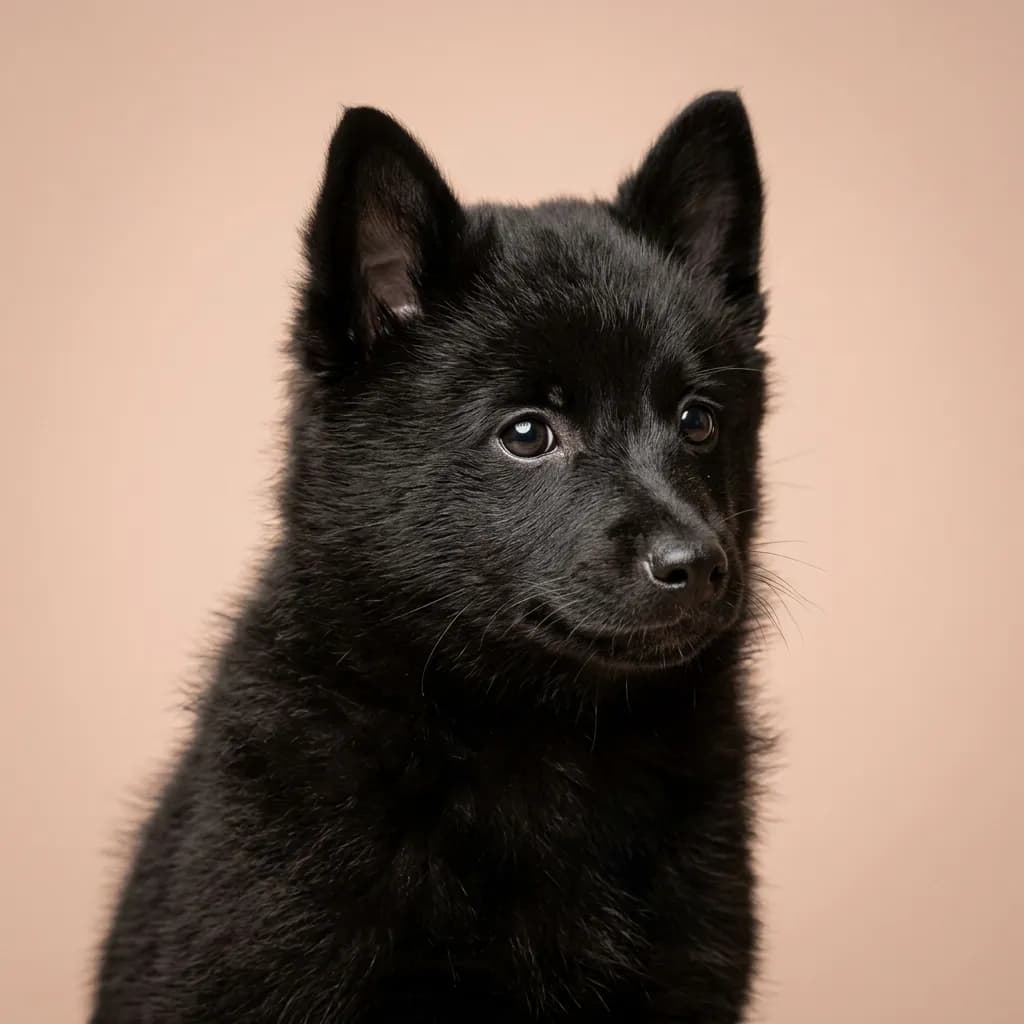
You’re not really comparing a Pointer to a Schipperke because you’re torn between two similar dogs. You’re doing it because you’re torn between two lives. One is all open fields, early mornings, and a dog that moves like it’s chasing the wind. The other is a compact shadow in a quiet house, bold as brass, watching everything from a windowsill. The Pointer is a marathon runner with a job to do. Bred to range far and point hard, this dog thrives when it’s working. whether that’s in the field or tearing across a dog park at top speed. It’s deeply affectionate but needs space and motion. Without it, you’ll get a 70-pound bundle of restless energy chewing your hiking boots. Good with kids? Only if those kids are old enough to keep up. This isn’t a couch potato. The Schipperke, meanwhile, is a spark plug in dog form. Small, black, with a fox-like face and zero fear, it was born to guard and explore. It barks at the mailman like it’s a personal insult and will chase squirrels like it owes them money. It’s adaptable. fine in a house with a yard. but don’t expect silence. It’s curious to a fault, which means mischief if under-stimulated, though not as mentally hungry as the Pointer. Here’s the thing no one says: the Pointer needs a job even if you’re not hunting. Without it, its loyalty turns into neediness. And the Schipperke? That boldness can look like stubbornness. Training works, but you’ll need patience and consistency. Pick the Pointer if your weekends involve trails, fields, or dog sports. Pick the Schipperke if you want a bold little watchdog who fits in a car and thinks he’s ten times his size. One is a partnership. The other is a personality. Choose based on the life you actually live.
Trait-by-trait
Higher bar = more of that trait. Shedding, barking, drooling, grooming flipped for readability.Where they diverge
Choose the Pointer if…
- Active families
- Hunters and field sport enthusiasts
- Outdoor and running enthusiasts
- You value good with other dogs — Pointer scores noticeably higher.
Choose the Schipperke if…
- Active owners
- Those wanting a small but bold breed
- Suburban or rural settings
- You value watchdog / protective — Schipperke scores higher here.