Pointer vs Shikoku
Side-by-side comparison across all 14 AKC trait ratings, with a clear verdict on which breed fits which kind of household.

Not sure which breed fits your life?
Answer five questions about your home, your schedule, and your tolerance for shedding. We’ll match you to your top three breeds from over 200.
Pointer vs Shikoku
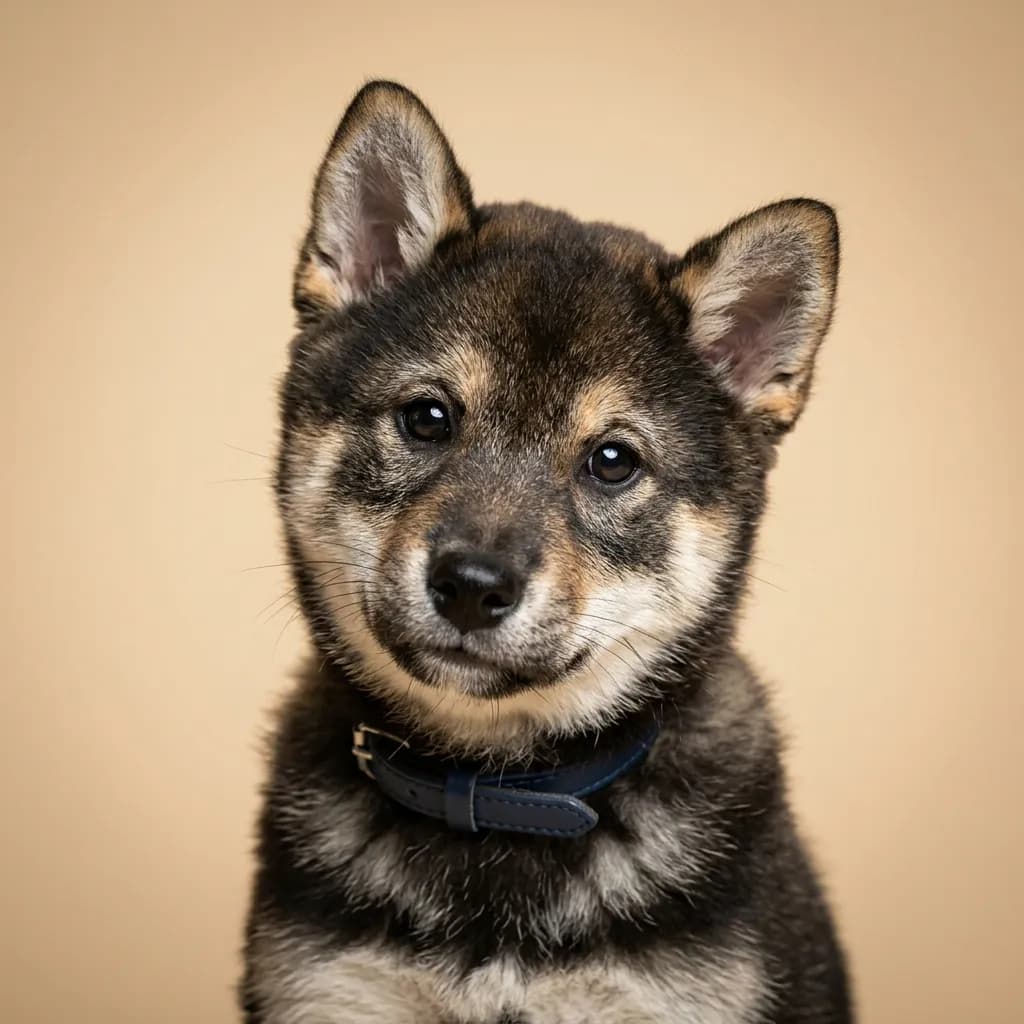
You don’t see a Pointer and a Shikoku side by side at dog parks often, but if you’re deep into working breeds with drive and history, the comparison makes sense. Both are hunters, both thrive outdoors, and both demand engagement. But that’s where the similarities fade like morning mist. The Pointer is your all-in running partner, the dog who’ll point a pheasant with laser focus then crash on the couch after 10 miles. They’re bred for stamina and partnership, eager to please with a trainability score that’s hard to beat. If you’re into dog sports, hunting, or long trail runs, they’re game. They bond tightly, adapt well to active households, and while they need space, they won’t turn on you if you live in a suburban home with a yard. Just don’t expect them to handle winter in the Rockies without a coat. The Shikoku is different. This isn’t a dog you casually adopt because you like “primitive” looks. They’re independent, forged in the rugged mountains of Japan to track boar with minimal human input. That means they think for themselves. Training takes patience, consistency, and respect for their autonomy. They’re not aloof, but their affection is earned, not freely given. They do best with experienced owners who understand canine psychology and can lead without force. Here’s the real difference: the Pointer wants to work with you. The Shikoku will decide whether to let you come along. If you want a responsive, family-friendly athlete, go Pointer. If you want a rare, intense, deeply loyal companion who’ll challenge you every step, and you’ve got the experience to match, the Shikoku might just change your life. But don’t underestimate their need for purpose. or their price tag.
Trait-by-trait
Higher bar = more of that trait. Shedding, barking, drooling, grooming flipped for readability.Where they diverge
Choose the Pointer if…
- Active families
- Hunters and field sport enthusiasts
- Outdoor and running enthusiasts
- You value affectionate w/ family — Pointer scores noticeably higher.
Choose the Shikoku if…
- Experienced dog owners
- Active outdoor enthusiasts
- Those wanting a primitive, independent breed
- You value coat grooming — Shikoku scores higher here.