Polish Lowland Sheepdog vs Schipperke
Side-by-side comparison across all 14 AKC trait ratings, with a clear verdict on which breed fits which kind of household.
Not sure which breed fits your life?
Answer five questions about your home, your schedule, and your tolerance for shedding. We’ll match you to your top three breeds from over 200.
Polish Lowland Sheepdog vs Schipperke
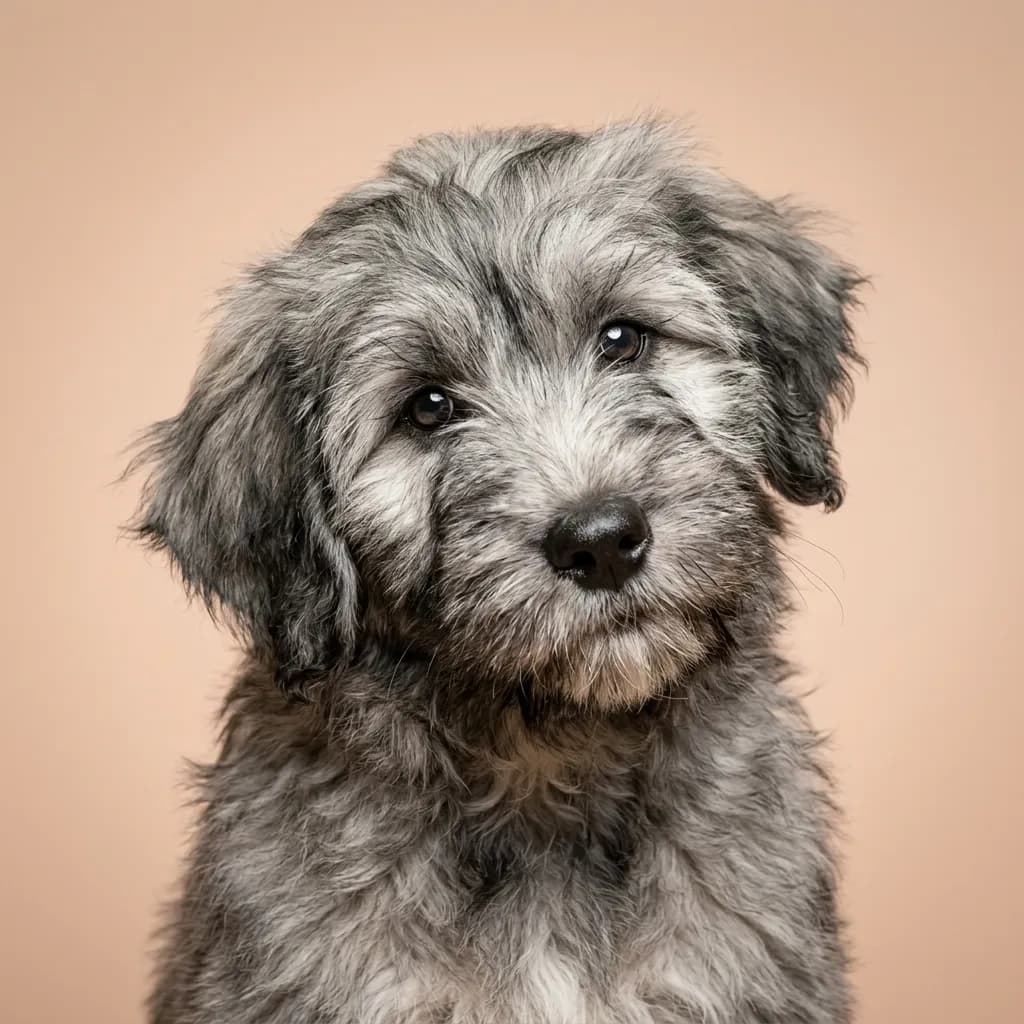
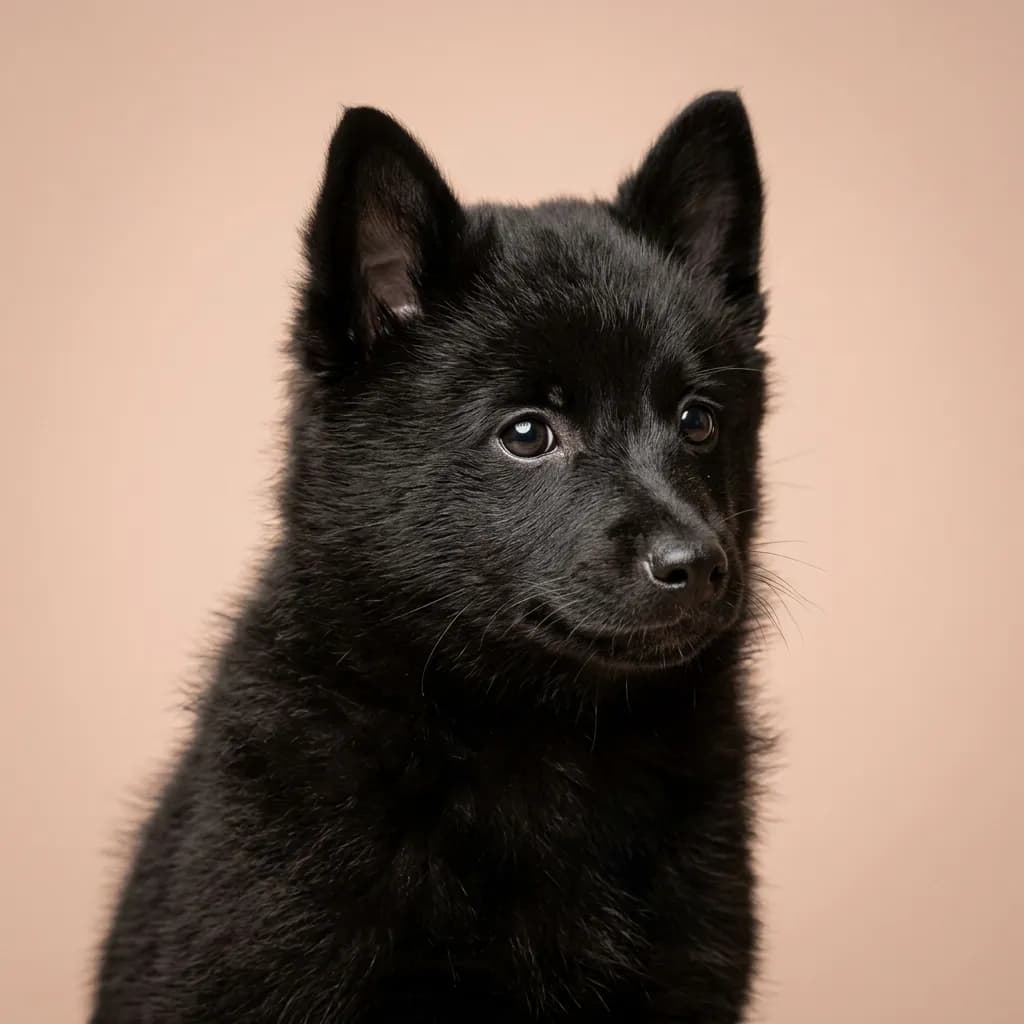
People compare the Polish Lowland Sheepdog and the Schipperke because both are small to medium-sized, bold, and brimming with personality. They’ve got that “big dog in a compact body” vibe, and both bark when they need to. But that’s where the similarities mostly end. The Polski, as fans call them, is a shaggy, energetic thinker built for cold climates and constant motion. At 30 to 50 pounds, it’s a full-sized herding dog with a coat that demands brushing three times a week and a brain that craves dog sports. You’ll need time, activity, and patience for grooming. They bond deeply with families and adapt well to different homes, but they’re not for couch potatoes. The Schipperke, a spitz-type mini-guardian from Belgium, weighs just 10 to 16 pounds. It’s sprightly, curious, and fiercely alert. originally bred to guard boats and hunt rats. That vermin-chasing instinct means they can chase small pets and get into trouble if bored. Their coat sheds more than the Polski’s and needs seasonal blowouts, but it’s shorter and slightly lower maintenance. They’re affectionate with their people but can be independent, even a little mischievous. If you want a trainable, family-friendly herding partner for agility or hiking, the Polski is your dog. If you want a tiny, fearless companion with a big personality for a suburban home and don’t mind some stubbornness, the Schipperke fits. Here’s the real talk: both bark. But the Schipperke will bark at a leaf blowing past the window at 3 a.m. and think it’s saved your life. Know what you’re signing up for. this isn’t a quiet breed.
Trait-by-trait
Higher bar = more of that trait. Shedding, barking, drooling, grooming flipped for readability.Where they diverge
Choose the Polish Lowland Sheepdog if…
- Active families
- Experienced herding breed owners
- Dog sport enthusiasts
- You value coat grooming — Polish Lowland Sheepdog scores noticeably higher.
Choose the Schipperke if…
- Active owners
- Those wanting a small but bold breed
- Suburban or rural settings
- You value shedding level — Schipperke scores higher here.