Poodle vs Tosa
Side-by-side comparison across all 14 AKC trait ratings, with a clear verdict on which breed fits which kind of household.

Not sure which breed fits your life?
Answer five questions about your home, your schedule, and your tolerance for shedding. We’ll match you to your top three breeds from over 200.
Poodle vs Tosa
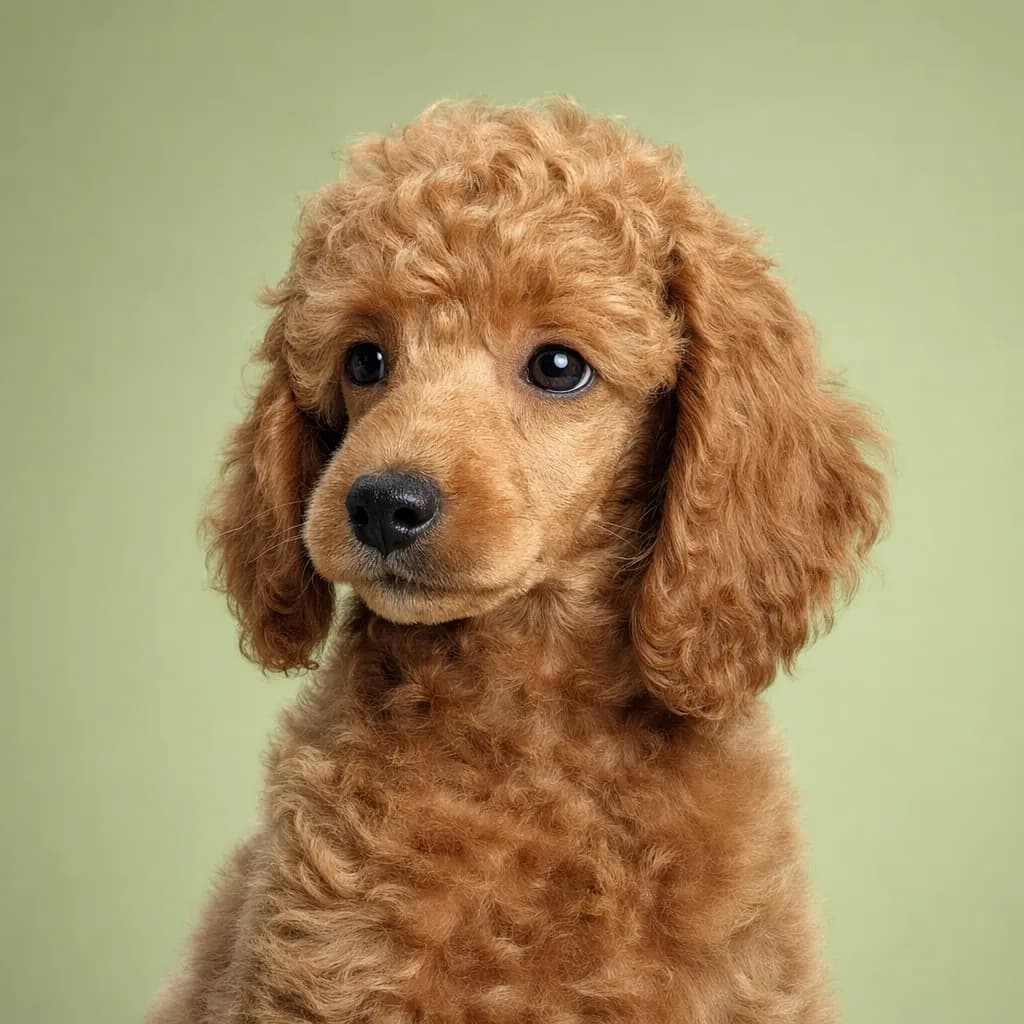
You’re not really comparing these two unless you’ve already got a big yard, a strong spine, and a habit of researching obscure breed regulations. The Standard Poodle and Tosa don’t show up on the same shortlist by accident. People look at both when they want a large, intelligent dog that stands out. but that’s where the similarities end. The Poodle is the all-rounder with a brain like a supercomputer. You’ll bring one home if you want a dog that learns a new trick in ten minutes, thrives in dog sports, adores kids, and won’t leave your side. Yeah, you’ll need to groom it every six weeks and deal with some yapping, but it fits in apartments, travels well, and adapts to almost any lifestyle. It’s the dog that makes you look like a great owner, even if you’re still figuring things out. The Tosa? This is not that dog. It’s a 150-pound piece of quiet intensity bred from fighting lines. Calm doesn’t mean lazy. it means it’s assessing. It bonds deeply with its person, but it’s not eager to please like the Poodle. Training takes consistency, space, and respect for its power. You don’t get a Tosa to be life of the puppy social; you get one because you want a silent giant who guards your family with quiet vigilance. Here’s the real talk: the Tosa’s calmness can mask its strength. One startled lunge, one misread situation, and its sheer mass becomes a liability. especially around kids or in tight spaces. The Poodle’s worst offense is barking at the mailman. The Tosa’s worst offense could change your life. Pick the Poodle if you want a dog that does it all and plays well with others. Pick the Tosa only if you’ve handled large, dominant breeds before and have the space, experience, and patience to match its gravity. This isn’t about preference. It’s about knowing yourself.
Trait-by-trait
Higher bar = more of that trait. Shedding, barking, drooling, grooming flipped for readability.Where they diverge
Choose the Poodle if…
- Allergy sufferers
- Active families
- First-time owners
- You value good with strangers — Poodle scores noticeably higher.
Choose the Tosa if…
- very experienced large-breed owners
- homes with secure property
- owners seeking a calm giant breed companion
- You value drooling level — Tosa scores higher here.