Pudelpointer vs Slovakian Wirehaired Pointer
Side-by-side comparison across all 14 AKC trait ratings, with a clear verdict on which breed fits which kind of household.
Not sure which breed fits your life?
Answer five questions about your home, your schedule, and your tolerance for shedding. We’ll match you to your top three breeds from over 200.
Pudelpointer vs Slovakian Wirehaired Pointer
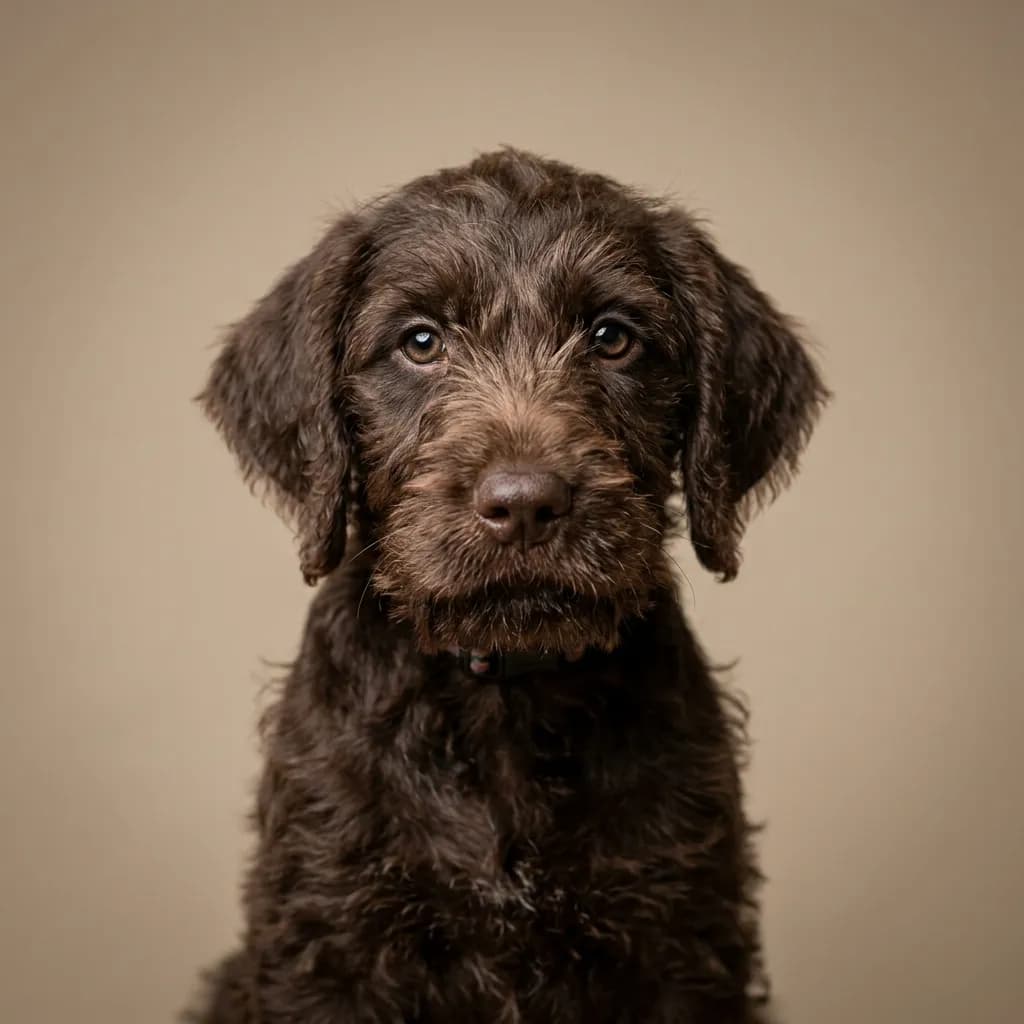
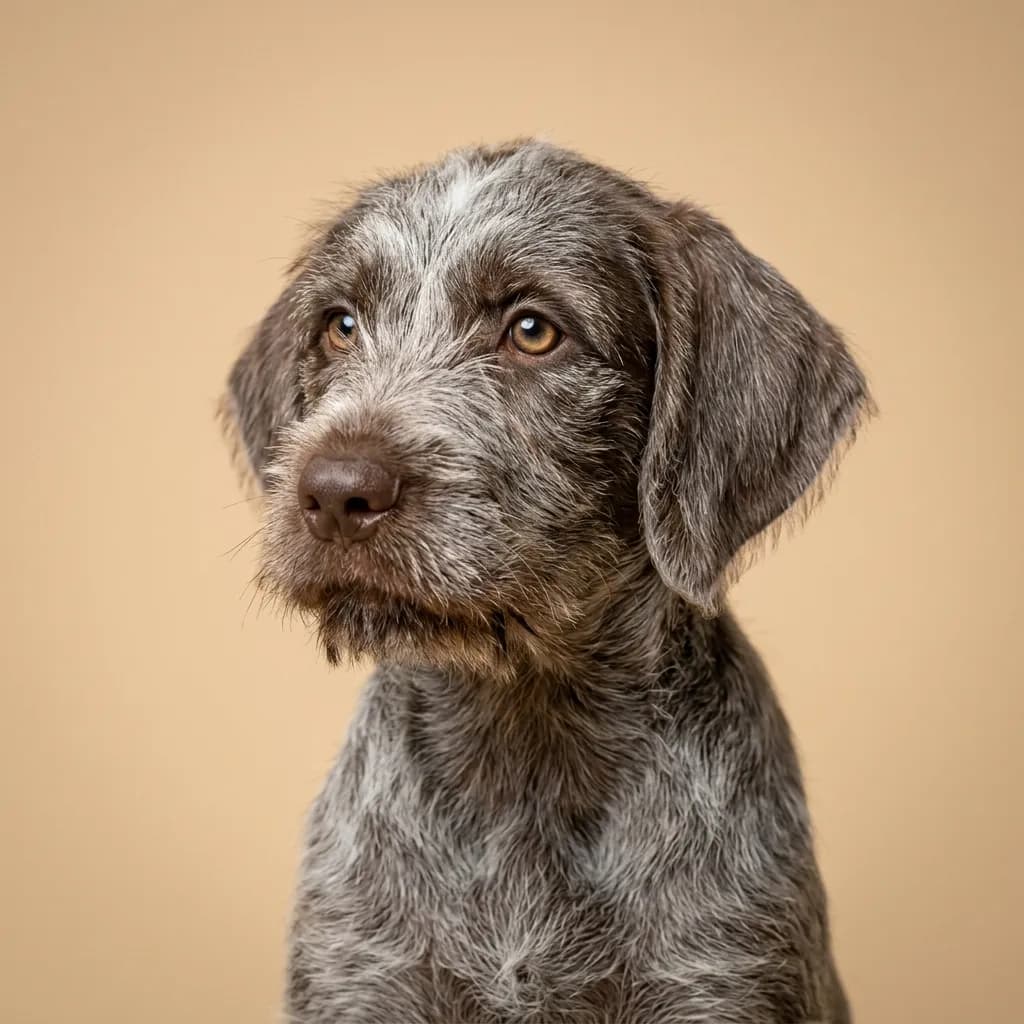
You don’t stumble into a Pudelpointer or Slovakian Wirehaired Pointer by accident. These are dogs for people who hunt in waist-deep marsh water before sunrise or hike rugged hills all day chasing birds. That’s why folks compare them—they’re both rare, versatile gun dogs built for real work, not the dog park. But beneath the similar energy levels and trainability scores, they’re shaped by different terrains and temperaments. The Pudelpointer feels like a well-tuned outdoor machine. Bred in Germany to be the ultimate all-around hunting companion, it’s slightly more adaptable and a touch easier to live with in a rural home. It bonds deeply with its person, thrives on teamwork, and will swim through icy water without complaint. But don’t be fooled by its willingness to please—it needs a job. Without one, that sharp mind turns mischievous. The Slovakian Wirehaired Pointer, built for the Carpathians, carries a sturdier frame and a wiry coat that laughs at brambles and snow. It’s just as driven but slightly more independent, with a ruggedness that suits harsh climates and high-altitude hunts. It’s less common in the U.S., so finding a breeder takes effort—and you’ll want a reputable one, given the risk of hip and elbow issues. Here’s the real talk: both dogs demand an owner who moves as much as they do. But if you're choosing, ask not just about coat or origin, but about presence. The Pudelpointer wants to be part of your mission. The Slovakian? It’ll follow, but it’s also watching the ridge line, thinking three moves ahead. Pick the first if you want a partner who mirrors your energy. Pick the second if you respect a dog that’s quietly assessing the whole forest, not just your commands.
Trait-by-trait
Higher bar = more of that trait. Shedding, barking, drooling, grooming flipped for readability.Where they diverge
Choose the Pudelpointer if…
- hunters
- very active owners
- waterfowl and upland bird hunters
- You value shedding level — Pudelpointer scores noticeably higher.
Choose the Slovakian Wirehaired Pointer if…
- hunters
- active families
- experienced versatile gun dog owners
- You value good with other dogs — Slovakian Wirehaired Pointer scores higher here.