Portuguese Sheepdog vs Puli
Side-by-side comparison across all 14 AKC trait ratings, with a clear verdict on which breed fits which kind of household.
Not sure which breed fits your life?
Answer five questions about your home, your schedule, and your tolerance for shedding. We’ll match you to your top three breeds from over 200.
Portuguese Sheepdog vs Puli
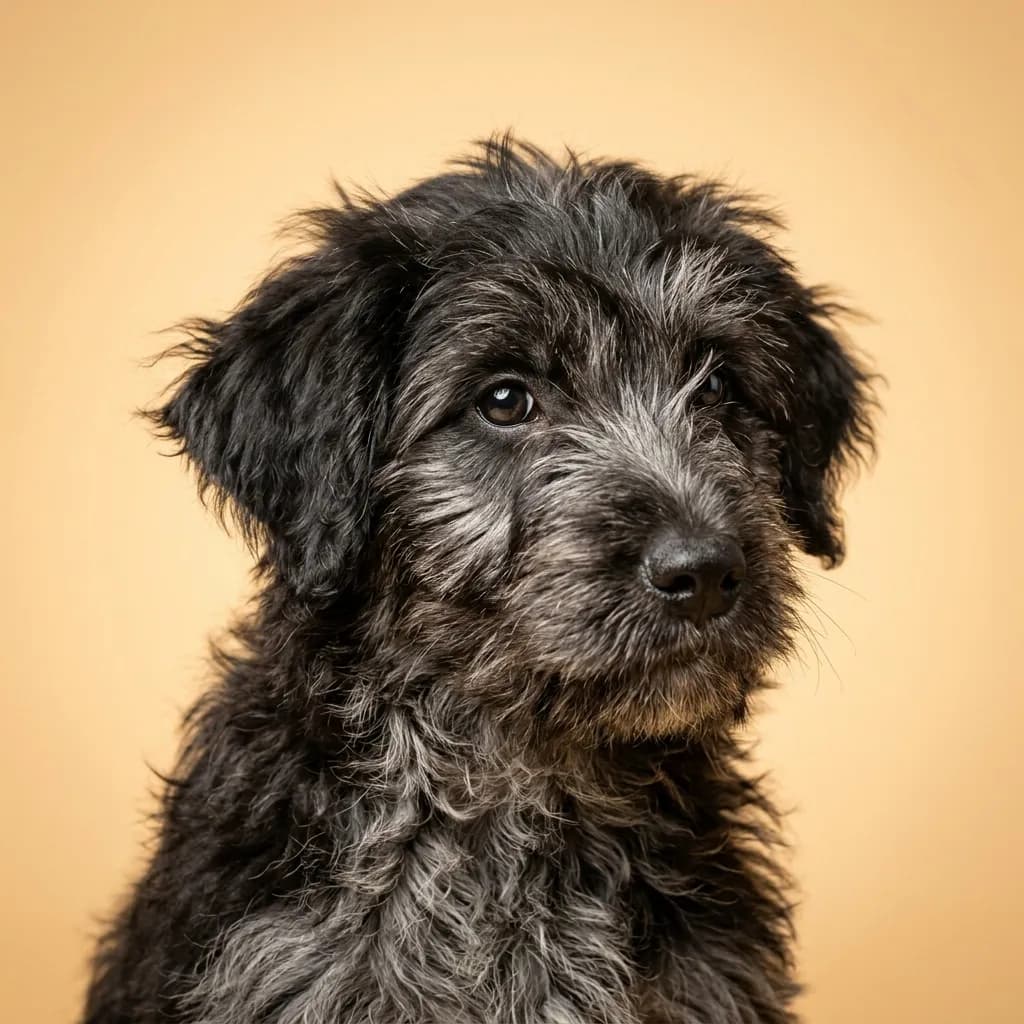
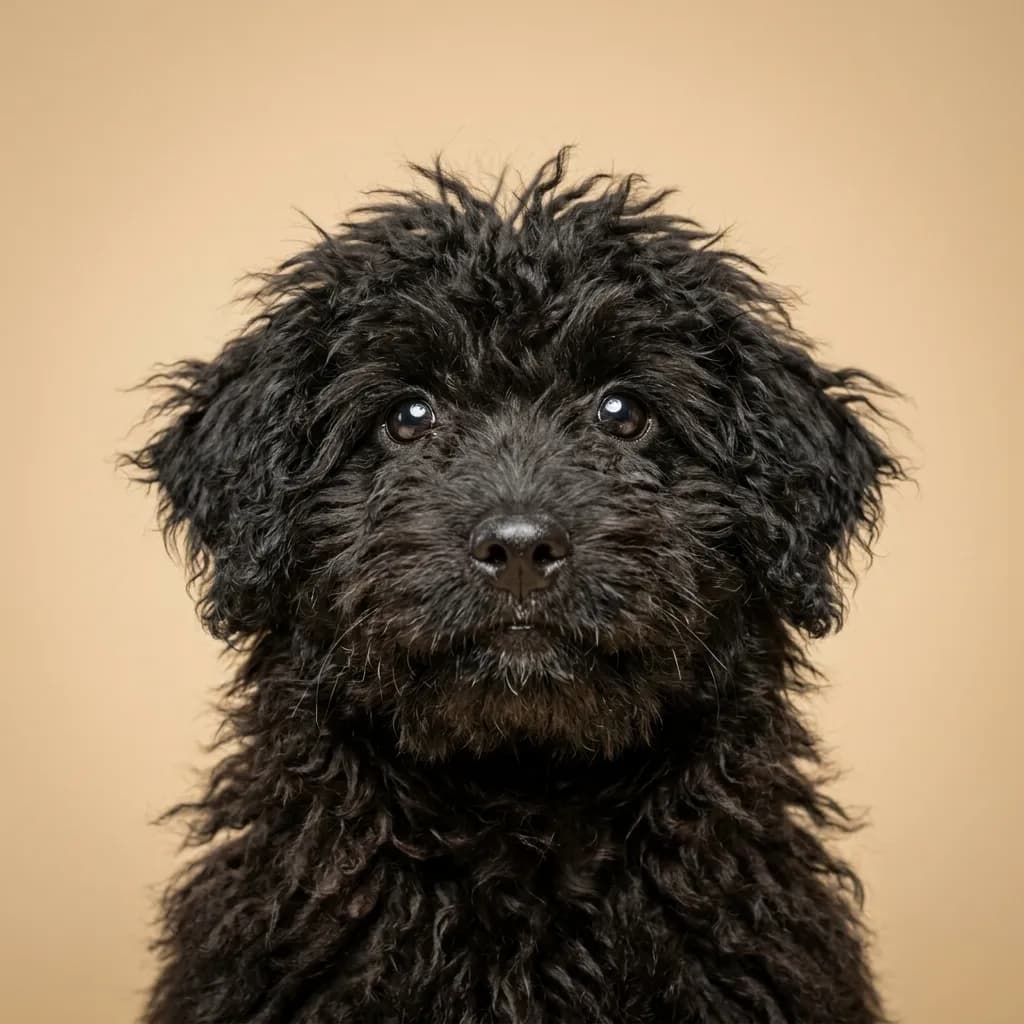
You’re not comparing these two because they look alike—no one mistakes a wild-haired Puli for anything else. You’re comparing them because both are rare, curly-coated herding dogs with brains to burn and a stubborn streak a mile wide. People cross them in their minds when they want a smart, active dog that stands out, but can handle real work. That’s where the similarities end. The Portuguese Sheepdog is a mountain dog built for endurance. He’s bigger, longer-legged, with a coat that’s tousled but manageable. You’ll find him happiest on a farm in Vermont or Colorado, where he can run fences all day and still have energy to learn a new trick at dinner. He’s intense, yes, but his energy is focused. If you’ve got agility equipment or open land, he’ll thrive. But don’t expect him to settle in a city apartment—he needs purpose, not just walks. The Puli, with his dreadlocked cords, is a different kind of commitment. Smaller, yes, but his mind is always running. He bonds deeply with one person and shadows them like a furry bodyguard. You’ll love his clownish affection at home, but his coat demands weekly maintenance unless you’re okay with them matting into unusable clumps. And while both breeds are smart, the Puli’s intensity means he’ll test you. Trainability scores high, but only if you’re consistent from day one. Here’s the real difference: the Portuguese Sheepdog wants to work with you. The Puli wants to be you. Choose the former if you want a partner in adventure. Choose the latter if you don’t mind a shadow who needs constant mental engagement. Either way, you’re signing up for a dog that’s not just a pet—it’s a project. And that’s exactly why people love them.
Trait-by-trait
Higher bar = more of that trait. Shedding, barking, drooling, grooming flipped for readability.Where they diverge
Choose the Portuguese Sheepdog if…
- herding and farm work
- active families
- experienced herding breed owners
- You value shedding level — Portuguese Sheepdog scores noticeably higher.
Choose the Puli if…
- Active families
- Experienced dog owners
- Those wanting a unique coat
- You value coat grooming — Puli scores higher here.