Pug vs Shetland Sheepdog
Side-by-side comparison across all 14 AKC trait ratings, with a clear verdict on which breed fits which kind of household.

Not sure which breed fits your life?
Answer five questions about your home, your schedule, and your tolerance for shedding. We’ll match you to your top three breeds from over 200.
Pug vs Shetland Sheepdog
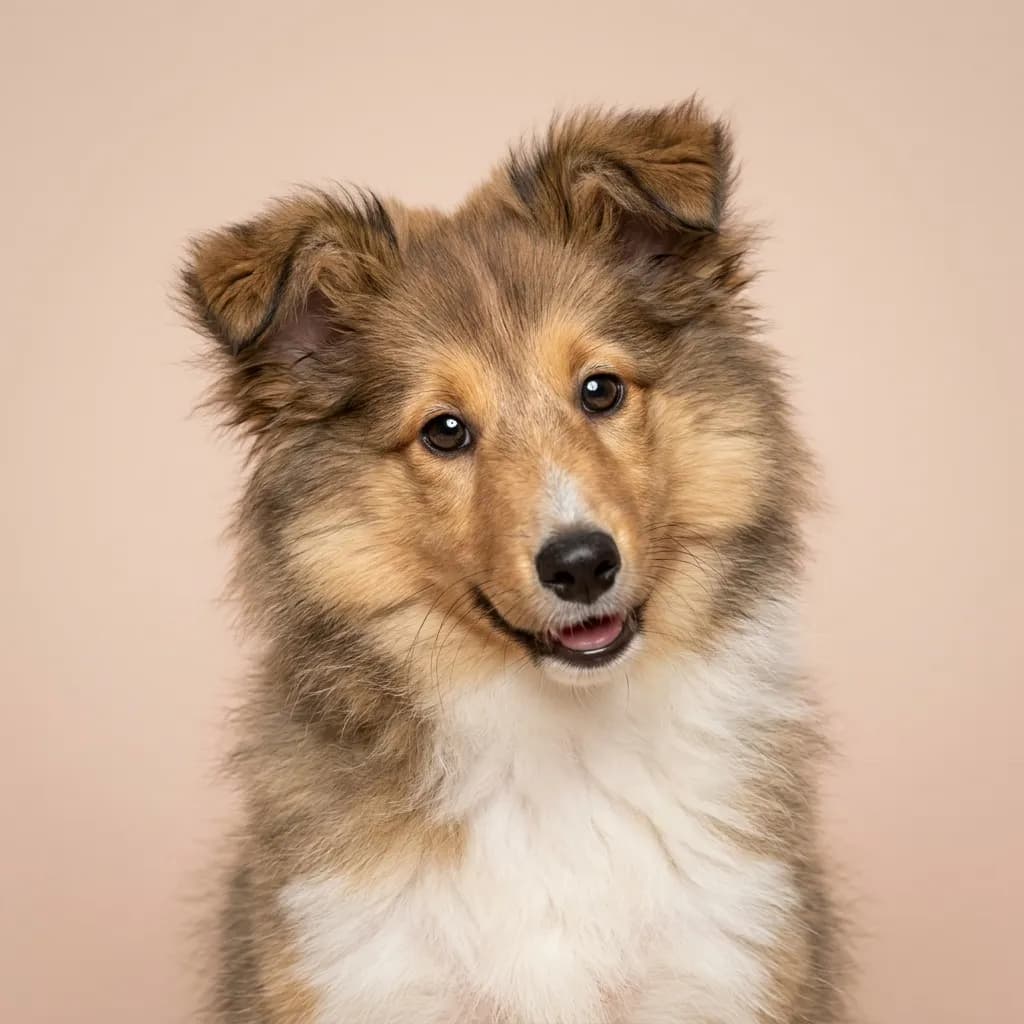
You’re probably comparing a Pug and a Shetland Sheepdog because both fit in your apartment, seem good with kids, and won’t overwhelm a first-time owner. On paper, they’re both friendly, adaptable, and affectionate. But spend a weekend with each and you’ll realize they’re solving completely different problems. The Pug is your cozy, low-key roommate who just wants to be near you—on the couch, at breakfast, even in the bathroom. They snort, they shed like a tumbleweed, and they’ll flat-out ignore you if you ask them to do something boring. But they’re also hilarious, full of goofy charm, and will win over every guest with their smushed face and wagging rump. Just don’t take them out when it’s over 80 degrees. Their breathing can turn scary fast, and all that cuteness comes with vet visits that add up. The Sheltie, meanwhile, is like a hyper-observant little professor in a fluffy coat. They’ll learn tricks in minutes, watch the mail carrier like a hawk, and bark at the toaster if it pops too loud. They need jobs—training, agility, puzzle toys—or they’ll invent their own, like herding your ankles at 6 a.m. Grooming isn’t optional; expect weekly brushing and seasonal fur blizzards. Families wanting a laid-back cuddler lean Pug. Active households that want a dog with a project—training, sports, mental challenges—choose Sheltie. Here’s the real talk: the Pug’s affection is unconditional, but their health isn’t. The Sheltie’s loyalty is intense, but they’ll mirror your anxiety. Pick the Pug if you want a dog who’s mostly chill. Pick the Sheltie if you’re ready for a dog who’s always watching, always working, and always with you—in mind, if not always in lap.
Trait-by-trait
Higher bar = more of that trait. Shedding, barking, drooling, grooming flipped for readability.Where they diverge
Choose the Pug if…
- Apartment living
- Seniors
- Families with children
- You value good with strangers — Pug scores noticeably higher.
Choose the Shetland Sheepdog if…
- Families with children
- Active owners
- Dog sports enthusiasts
- You value barking level — Shetland Sheepdog scores higher here.