Puli vs Rafeiro do Alentejo
Side-by-side comparison across all 14 AKC trait ratings, with a clear verdict on which breed fits which kind of household.
Not sure which breed fits your life?
Answer five questions about your home, your schedule, and your tolerance for shedding. We’ll match you to your top three breeds from over 200.
Puli vs Rafeiro do Alentejo
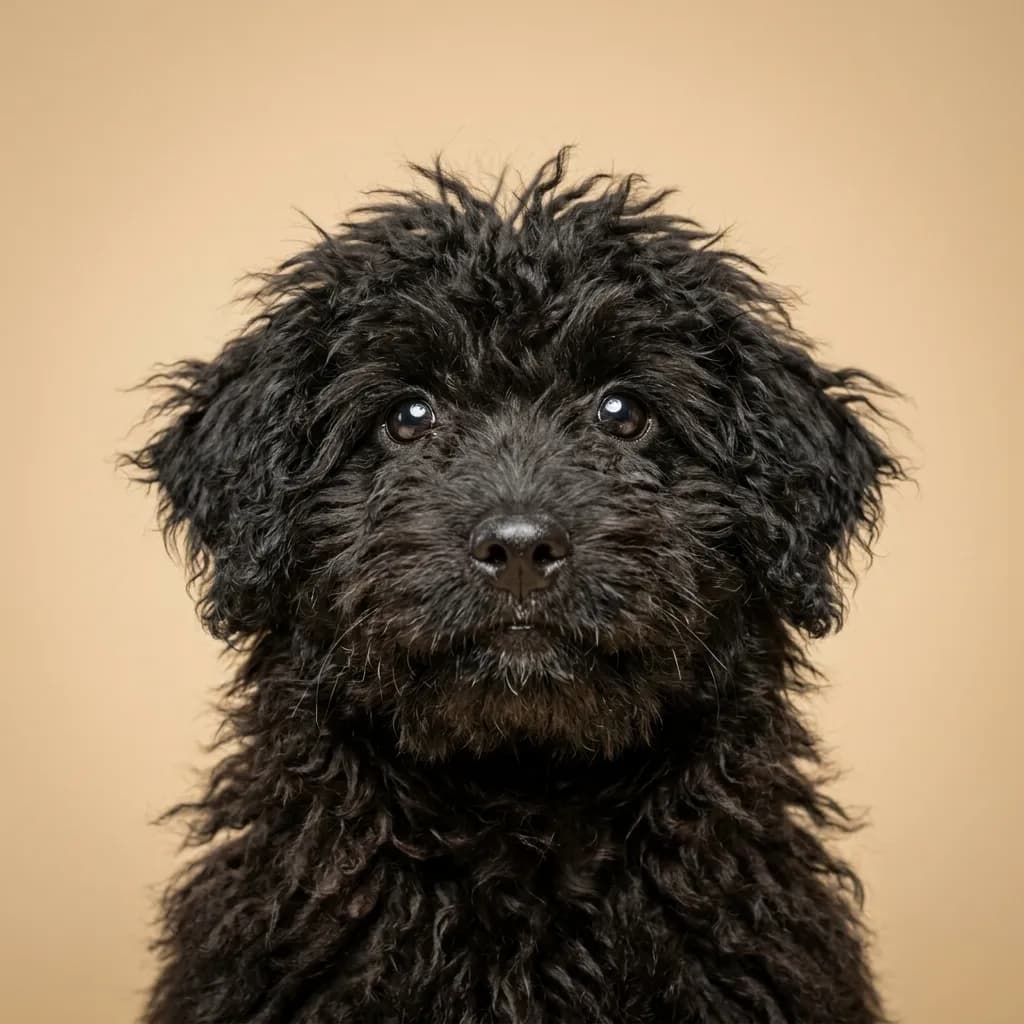
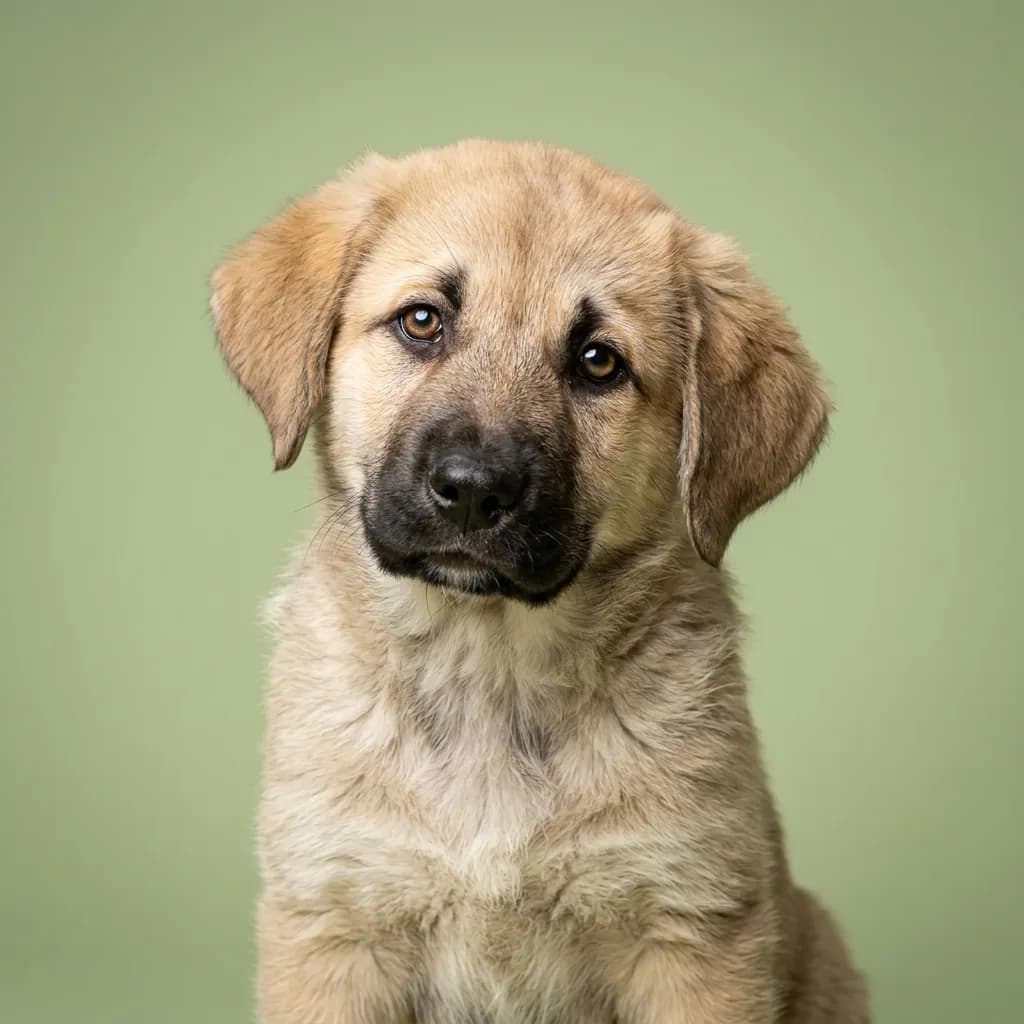
People usually don’t compare a Puli and a Rafeiro do Alentejo—they’re that different. But if you’re deep into rare working breeds and you’re drawn to dogs with history, presence, and a job to do, you might find yourself torn. One’s a bouncy mop with a mind like a racecar, the other’s a mountain of calm with the quiet authority of a castle guard. The Puli is small but intense. At 30 pounds and covered in tight cords, it’s impossible to miss. But that coat? It’s not low maintenance—it’s high commitment. You’ll spend hours drying, separating, and caring for those cords like they’re antique textiles. In return, you get a dog that lives for you. It’s smart, deeply affectionate, and thrives on mental puzzles and tasks. Great with older kids, but wary with strangers, it’s a herder that still herds—your feet, your kids, your nerves if you’re not active enough. The Rafeiro is a different kind of guardian. At over 100 pounds, it’s built to stand between your livestock and a wolf all night in the Portuguese plains. It’s calm, not clingy. Affectionate in its own dignified way. It doesn’t need constant games or tricks—just space, routine, and a sense of purpose. It’s not for city life. It needs room, and even then, you’re living with a dog that’s genetically wired to be suspicious of change. Here’s the real talk: the Puli bonds like glue and will out-think you if bored. The Rafeiro won’t follow you to the bathroom, but it will die for your family without hesitation. Pick the Puli if you want a partner in a busy, engaged home. Pick the Rafeiro if you need a steadfast protector on a farm—and you’ve handled big dogs before. Neither is for beginners. But if you know what you’re doing, both are unforgettable.
Trait-by-trait
Higher bar = more of that trait. Shedding, barking, drooling, grooming flipped for readability.Where they diverge
Choose the Puli if…
- Active families
- Experienced dog owners
- Those wanting a unique coat
- You value coat grooming — Puli scores noticeably higher.
Choose the Rafeiro do Alentejo if…
- Experienced large-breed owners
- Farm or rural environments
- Livestock guardian needs
- You value shedding level — Rafeiro do Alentejo scores higher here.