Puli vs Rottweiler
Side-by-side comparison across all 14 AKC trait ratings, with a clear verdict on which breed fits which kind of household.
Not sure which breed fits your life?
Answer five questions about your home, your schedule, and your tolerance for shedding. We’ll match you to your top three breeds from over 200.
Puli vs Rottweiler
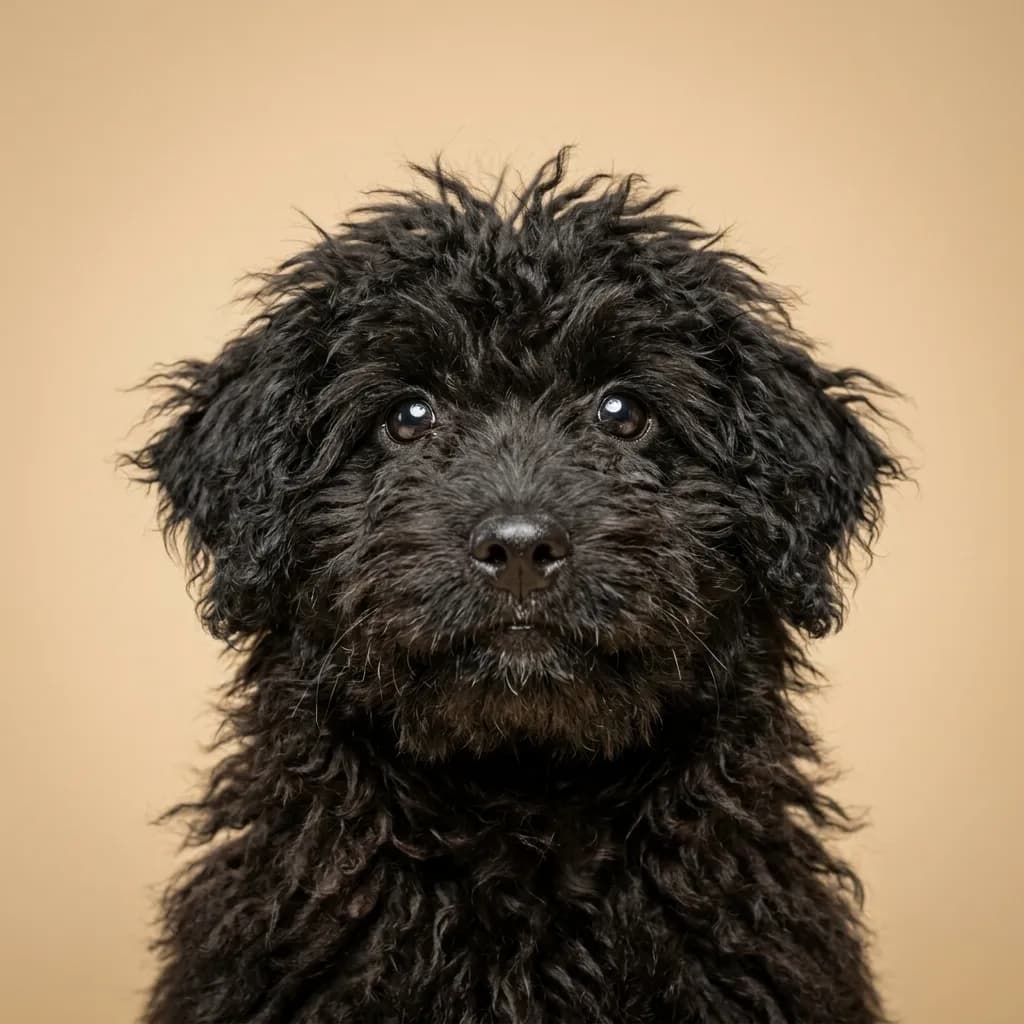
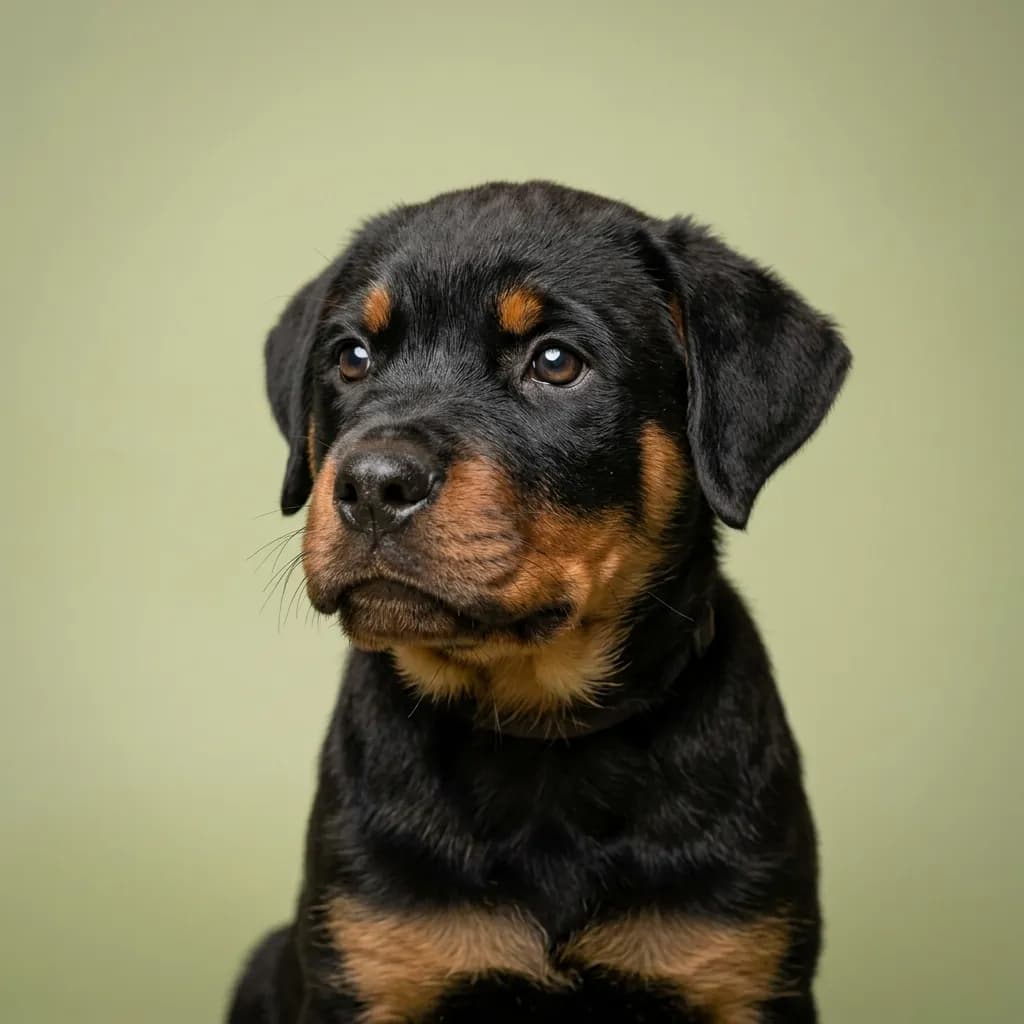
You don’t see a Puli and a Rottweiler in the same conversation every day. But if you’re torn between them, you’re probably drawn to dogs that are bold, loyal, and deeply bonded to their people. Both are protective, intelligent, and thrive with purpose. The real divide? Size, style, and the kind of loyalty you’re signing up for. The Puli is a compact herding dynamo from Hungary, built like a spring-loaded mop with those signature corded dreadlocks. At 25 to 35 pounds, it’s easy to underestimate them. Don’t. They’re sharp, alert, and need jobs—mental and physical. That coat? It’s not low-maintenance. You’re committing to hours of grooming, not just brushing. If you love quirks and don’t mind standing out, the Puli’s charm is undeniable. But they’re not for the casual owner. They bond tightly, can be wary of strangers, and need early socialization. Then there’s the Rottweiler. At 80 to 135 pounds, this is a dog that commands space—physically and emotionally. Calm but confident, they’re natural guardians with a quiet strength. They don’t bark much, but they notice everything. Rottweilers thrive under strong, consistent leadership. Without it, their innate protectiveness can tip into wariness or stubbornness. They’re affectionate with family, great with kids if raised together, but their size alone makes them a poor fit for apartments. Here’s the insight the numbers miss: both breeds demand respect, not just obedience. The Puli will test you with cleverness; the Rottweiler will test you with presence. Choose the Puli if you want a spirited, one-family dog with a wild coat and sharper bark. Choose the Rottweiler if you’re ready for a lifelong partner built like a tank, who’ll shadow you through life but needs early, serious training. Either way, you’re not just getting a dog. You’re getting a legacy.
Trait-by-trait
Higher bar = more of that trait. Shedding, barking, drooling, grooming flipped for readability.Where they diverge
Choose the Puli if…
- Active families
- Experienced dog owners
- Those wanting a unique coat
- You value coat grooming — Puli scores noticeably higher.
Choose the Rottweiler if…
- Experienced dog owners
- Active families
- Protection and working dog roles
- You value shedding level — Rottweiler scores higher here.