Puli vs Saint Bernard
Side-by-side comparison across all 14 AKC trait ratings, with a clear verdict on which breed fits which kind of household.

Not sure which breed fits your life?
Answer five questions about your home, your schedule, and your tolerance for shedding. We’ll match you to your top three breeds from over 200.
Puli vs Saint Bernard
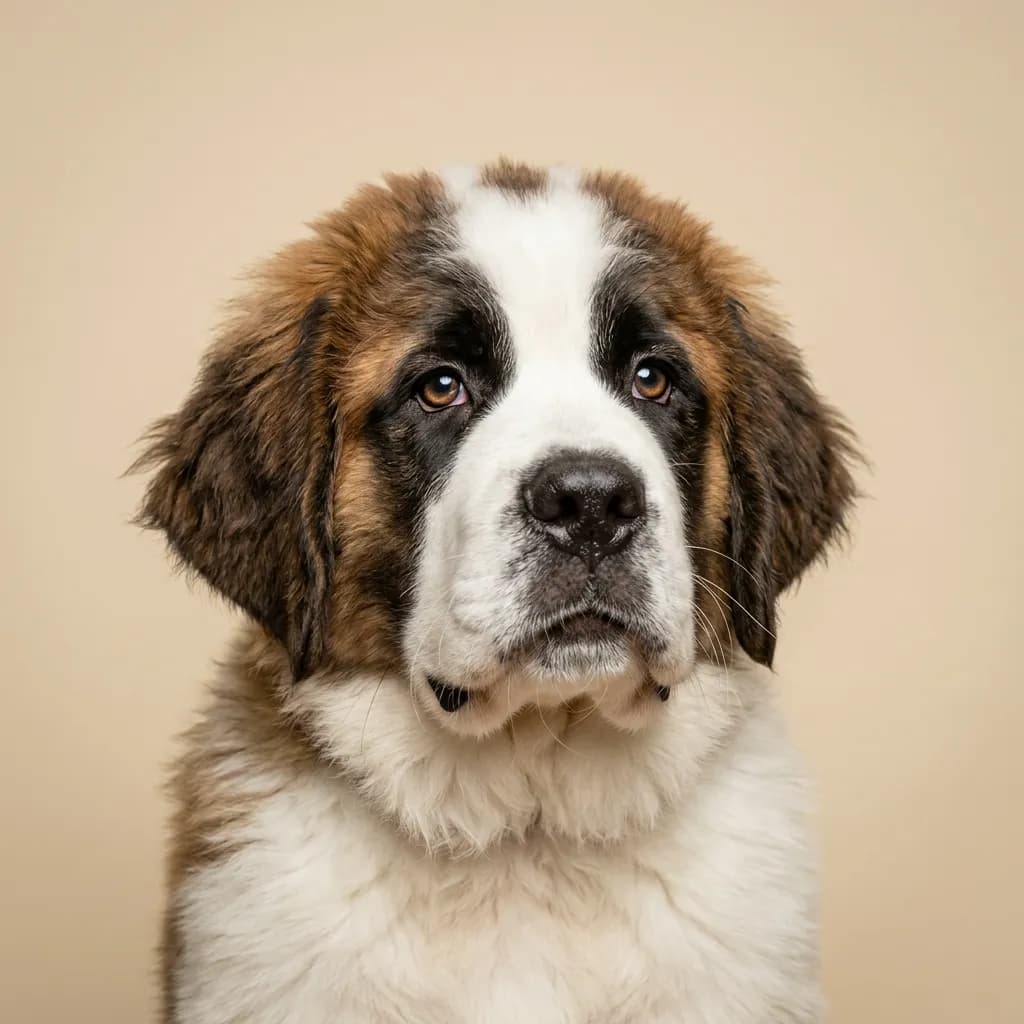
You don’t see many people trying to choose between a Puli and a Saint Bernard. But every now and then, someone drawn to both ends of the size spectrum finds themselves torn—one’s a wiry, bouncing shadow that looks like a mop with eyes, the other a drooling teddy bear that takes up half your couch. The real reason they get compared? Both are deeply loyal, family-oriented dogs with old-world charm and a strong sense of purpose. But that’s where the similarities end. The Puli is a thinker, bred to work independently herding sheep across Hungarian plains. You’ll need time for training puzzles and daily grooming sessions to keep those cords clean and tangle-free. They’re alert, lively, and thrive with mental challenges. Kids might find them a bit intense, and if you’re gone all day or hate brushing, this isn’t your dog. The Saint Bernard? They’re the ultimate gentle giant. Calm, affectionate, and patient with children, they’re happiest in cool weather and a home with space. But they drool—on your walls, your guests, your morning coffee. Their size means bloat is a real threat, and their lifespan is shorter, around 8 to 10 years. Training can be slow; they’re not stubborn, just thoughtful in their own massive way. Pick the Puli if you want a sharp, engaging partner who’ll learn tricks and guard your home with quiet intensity. Choose the Saint Bernard if you crave a calm, loving presence and don’t mind cleaning up after a dog that basically doubles as a small horse. Here’s the truth no one talks about: the Puli bonds so tightly, they can become anxious if left alone too much. And the Saint Bernard, for all their calm, needs early socialization—otherwise that quiet reserve can tip into wariness. Both need commitment, just in very different forms.
Trait-by-trait
Higher bar = more of that trait. Shedding, barking, drooling, grooming flipped for readability.Where they diverge
Choose the Puli if…
- Active families
- Experienced dog owners
- Those wanting a unique coat
- You value coat grooming — Puli scores noticeably higher.
Choose the Saint Bernard if…
- Families with children
- Those wanting a gentle giant
- Cold climate households
- You value drooling level — Saint Bernard scores higher here.