Puli vs Spanish Mastiff
Side-by-side comparison across all 14 AKC trait ratings, with a clear verdict on which breed fits which kind of household.
Not sure which breed fits your life?
Answer five questions about your home, your schedule, and your tolerance for shedding. We’ll match you to your top three breeds from over 200.
Puli vs Spanish Mastiff
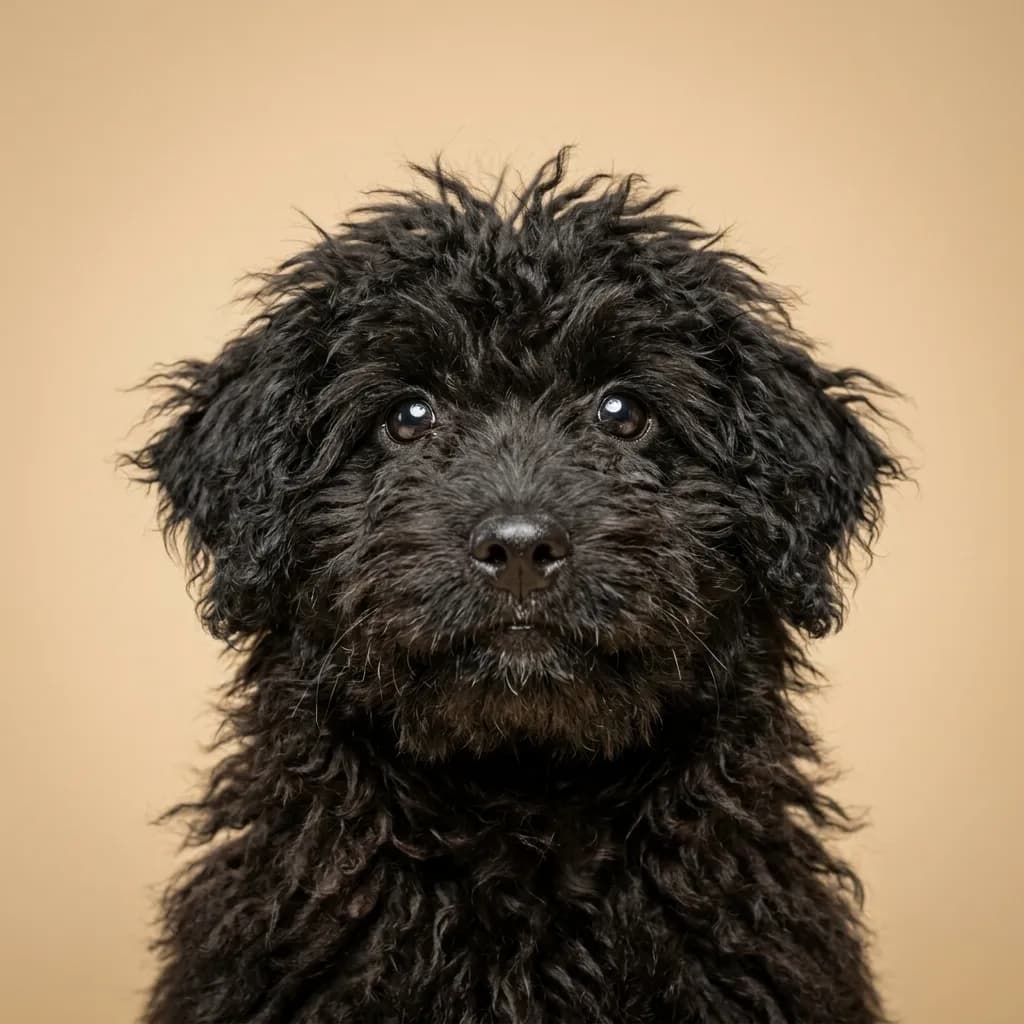
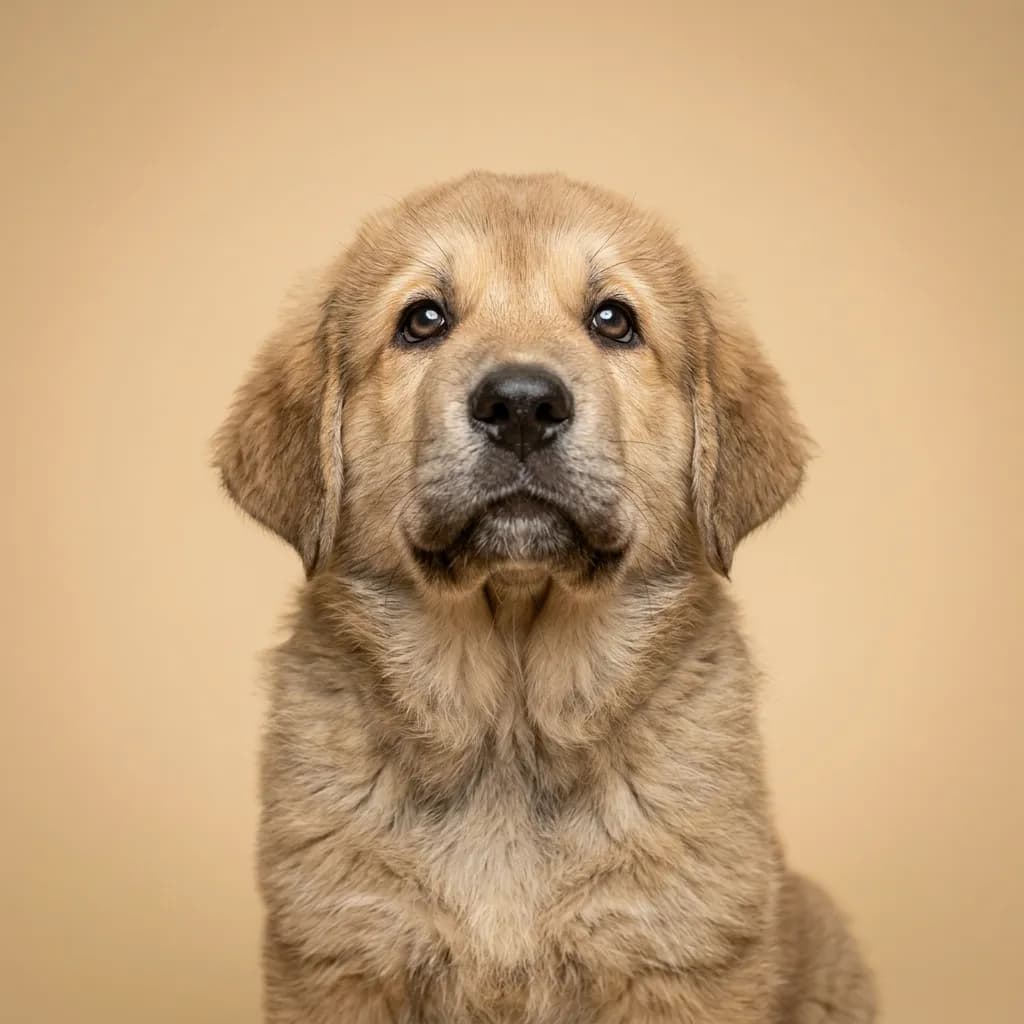
You don’t often see the Puli and Spanish Mastiff compared, but when someone’s deep in the weeds of dog research—especially if they’re drawn to rare, working breeds with strong instincts—it happens. Both are livestock guardians at heart, both are rare in the U.S., and both carry a presence that turns heads. But that’s where the similarity ends. Picture this: one dog bounds through the yard like a springy mop, alert and eager, ready to learn a new trick or herd your kids into the dining room. That’s the Puli—compact, whip-smart, and intensely bonded to their family. They thrive on mental games and daily involvement. Their corded coat isn’t just fashion; it’s low-shedding but demands serious upkeep. Skip grooming and you’ll have mats you can hang on a wall. Now step back—way back—because the Spanish Mastiff is coming. This is a dog that weighs as much as three Pulis, built like a draft horse with a calm, watchful eye. Bred to walk for miles with flocks in rural Spain, they’re not loud or hyper, but they need space and a job. They’re protective by nature, not overly vocal, but their sheer size makes them unsuitable for apartments or novice owners. The real difference? It’s not just size or grooming. It’s role. The Puli is a partner—engaged, trainable, part of the action. The Spanish Mastiff is a sentinel—calm, independent, built to make decisions without you. If you want a dog that’s always with you, learning and connecting, go Puli. If you need a guardian for property or livestock and live on acres, the Spanish Mastiff might be your fit. But here’s the truth no breeder brochure leads with: both breeds bond so deeply that separation anxiety isn’t a risk—it’s a given. You’re not just choosing a dog. You’re signing up for a lifelong shadow.
Trait-by-trait
Higher bar = more of that trait. Shedding, barking, drooling, grooming flipped for readability.Where they diverge
Choose the Puli if…
- Active families
- Experienced dog owners
- Those wanting a unique coat
- You value coat grooming — Puli scores noticeably higher.
Choose the Spanish Mastiff if…
- Experienced large-breed owners
- Farm or rural settings
- Livestock guardian needs
- You value drooling level — Spanish Mastiff scores higher here.