Puli vs Tosa
Side-by-side comparison across all 14 AKC trait ratings, with a clear verdict on which breed fits which kind of household.
Not sure which breed fits your life?
Answer five questions about your home, your schedule, and your tolerance for shedding. We’ll match you to your top three breeds from over 200.
Puli vs Tosa
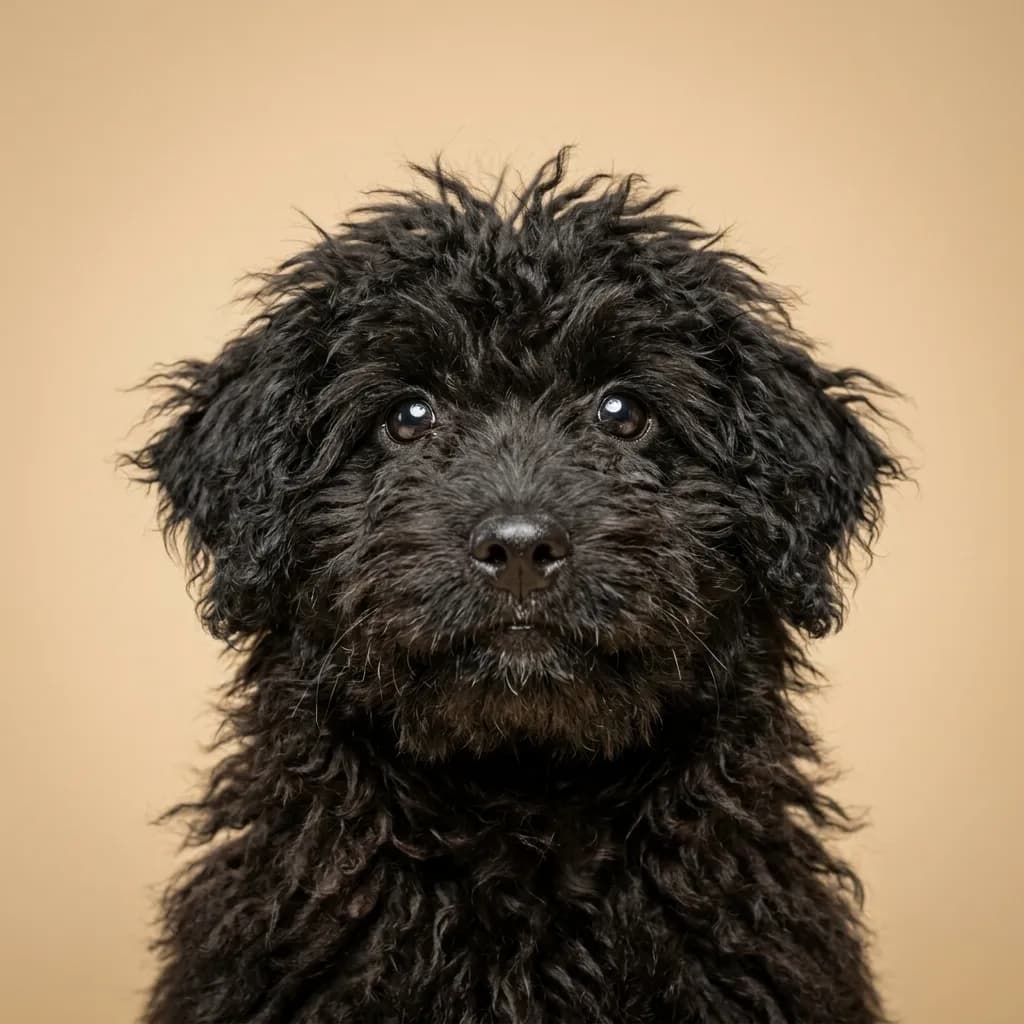
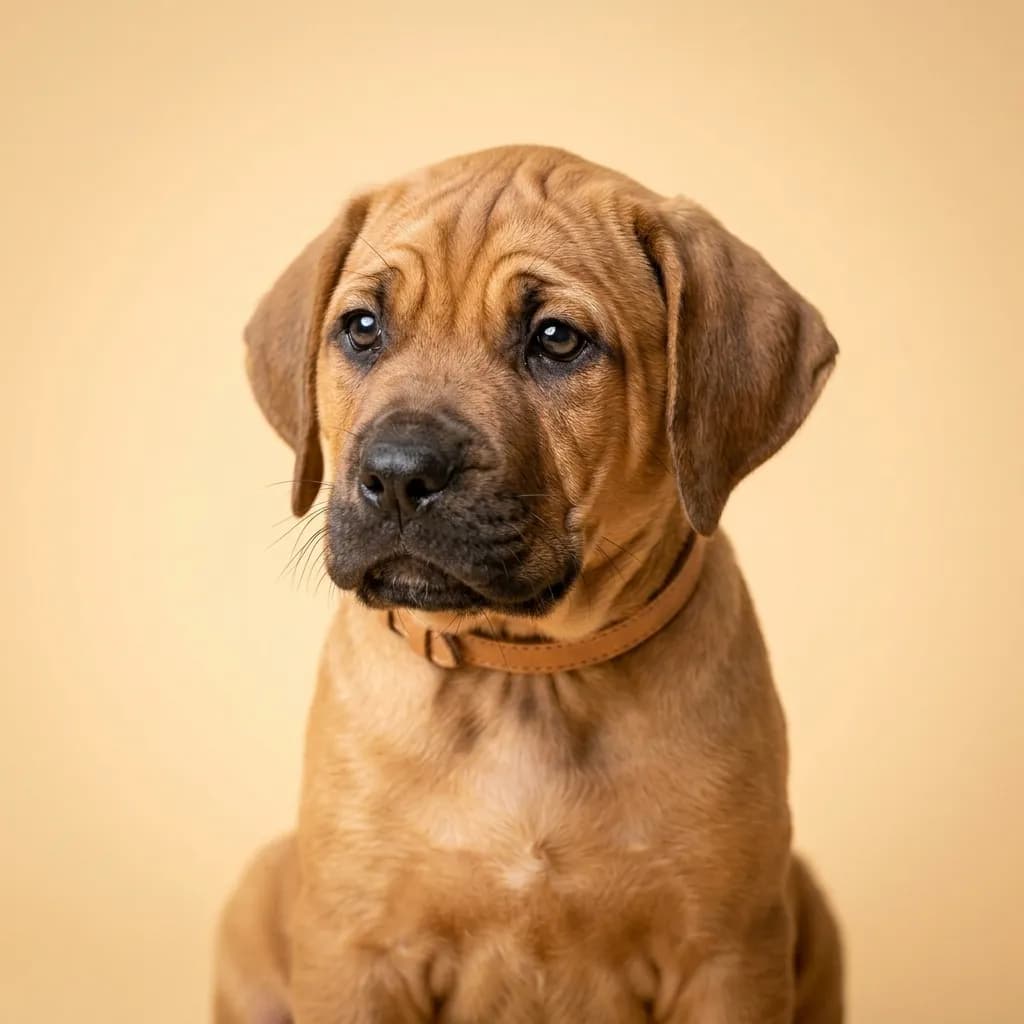
You don’t see a Puli and a Tosa in the same conversation often, but here’s why someone might compare them: both are rare, culturally significant breeds with intense loyalty and a look that stops traffic. One’s a mop on legs, the other a silent mountain of muscle. But choosing between them isn’t about aesthetics—it’s about lifestyle, experience, and what kind of dog energy you can actually live with. The Puli is a whip-smart herding dog from Hungary, built for action and mental engagement. Those signature cords aren’t just for show; they take hours to maintain, but the payoff is a dog that bonds fiercely with its family and thrives on tasks. Pulis are agile, alert, and endlessly trainable. They’re not overly loud, but they’ll let you know if something’s off. Great for active homes that want a project dog with personality. The Tosa, by contrast, is a massive, calm giant with a quiet dignity. Bred for dog fighting in Japan, today’s Tosa is a deeply loyal, reserved companion who moves like a tank with manners. They’re not hyper, but their size alone demands space, strength, and experience. Training a Tosa isn’t about tricks—it’s about consistency, socialization, and respect. They’re not banned everywhere, but they’re often targeted by breed-specific legislation, so check your local rules. If you’re a first-time owner or live in an apartment, skip both. But if you’re experienced: go for the Puli if you want engagement, agility, and a dog that wants to do things. Choose the Tosa if you want a stoic, affectionate giant who’s more like a living security system with a soft side. Here’s the real talk: the Puli’s coat isn’t the biggest hurdle—it’s their need for constant mental work. And the Tosa isn’t dangerous by nature, but their sheer physical power means a mistake in training isn’t just corrected, it’s remembered.
Trait-by-trait
Higher bar = more of that trait. Shedding, barking, drooling, grooming flipped for readability.Where they diverge
Choose the Puli if…
- Active families
- Experienced dog owners
- Those wanting a unique coat
- You value coat grooming — Puli scores noticeably higher.
Choose the Tosa if…
- very experienced large-breed owners
- homes with secure property
- owners seeking a calm giant breed companion
- You value shedding level — Tosa scores higher here.