Puli vs Whippet
Side-by-side comparison across all 14 AKC trait ratings, with a clear verdict on which breed fits which kind of household.
Not sure which breed fits your life?
Answer five questions about your home, your schedule, and your tolerance for shedding. We’ll match you to your top three breeds from over 200.
Puli vs Whippet
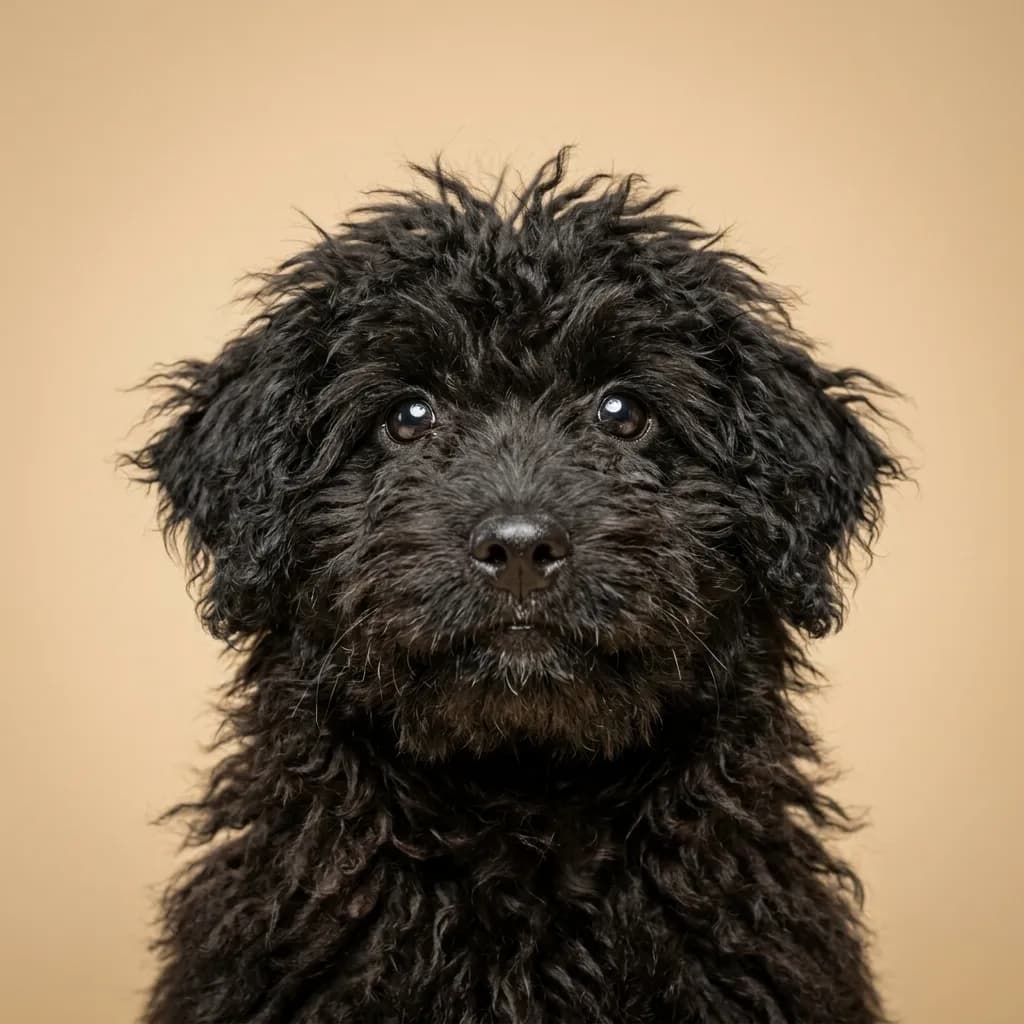
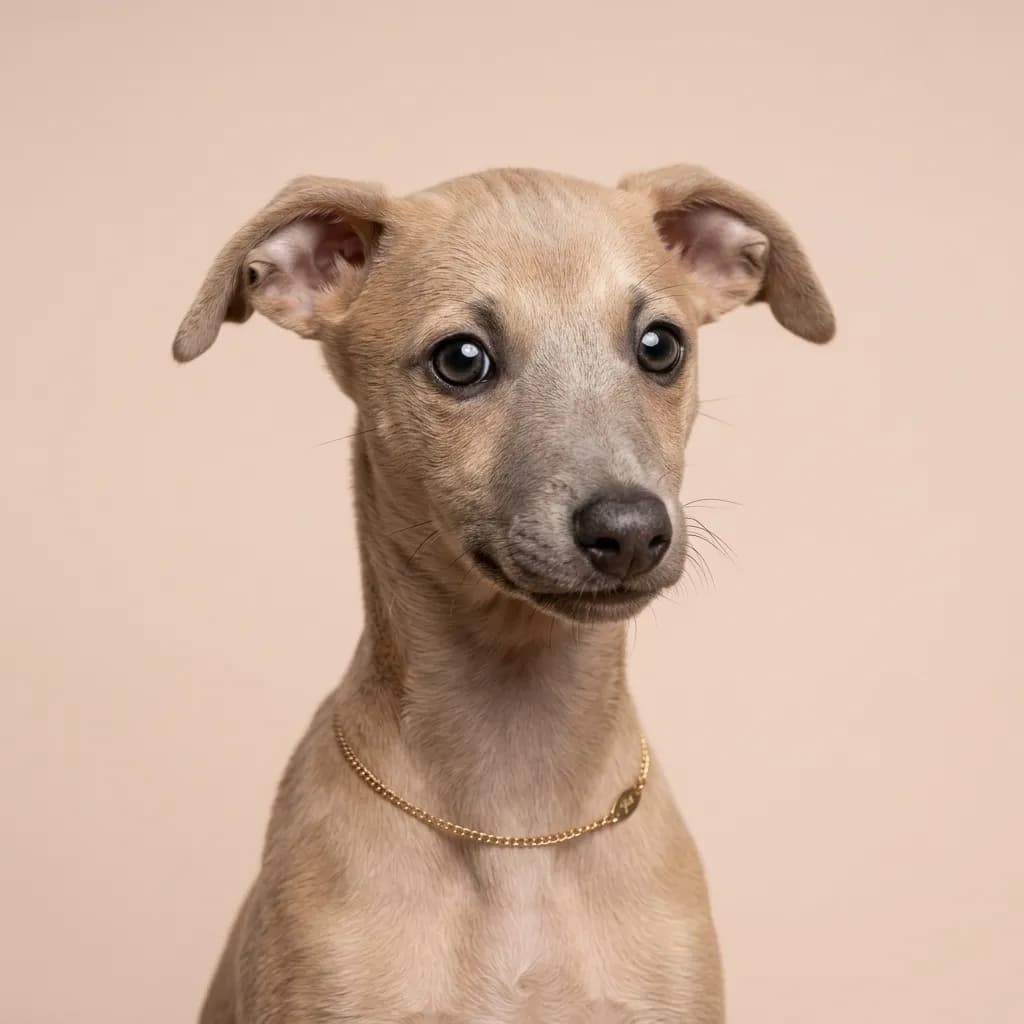
People compare Pulis and Whippets because they’re both medium-sized, moderately active dogs with clean looks and loyal hearts. But that’s where the similarities end. These breeds come from entirely different worlds—one from the windswept pastures of Hungary, the other from the racetracks of 19th-century England. The Puli is a thinking dog. With its signature corded coat that takes months to form and constant upkeep to maintain, it’s not a breed you choose on a whim. You’ll spend time brushing, separating cords, and explaining to strangers why your dog looks like a mop with eyes. But if you want a dog that’s deeply attached, thrives on mental challenges, and works with intent, the Puli delivers. It’s alert and will bark when something’s off, making it a decent watchdog. Just know it can be reserved with kids and demands engagement—this isn’t a dog to ignore in the backyard. The Whippet, in contrast, is elegance in motion. Sleek, soft-coated, and built for bursts of speed, it’s a dog that’ll sprint across a field like a shadow and then curl up on your lap for the next 12 hours. They’re quiet, rarely bark, and bond deeply with their people. But they’re not as easy to train as Pulis—they’ve got a hound streak and can be stubborn. And if you have a rabbit or cat that isn’t raised with them, the Whippet’s prey drive might spell trouble. One thing the data won’t tell you: the Puli needs a job, even if it’s just advanced obedience or herding trials. Without one, it’ll start “herding” your ankles. The Whippet just wants to be near you—on the couch, at the park, beside your bike. Choose the Puli if you want a project with a big payoff. Choose the Whippet if you want a graceful, low-drama companion who still loves to run like the wind.
Trait-by-trait
Higher bar = more of that trait. Shedding, barking, drooling, grooming flipped for readability.Where they diverge
Choose the Puli if…
- Active families
- Experienced dog owners
- Those wanting a unique coat
- You value coat grooming — Puli scores noticeably higher.
Choose the Whippet if…
- Apartment living (if exercised)
- Families with older children
- Runners and joggers
- You value good with young children — Whippet scores higher here.