Puli vs Xoloitzcuintli
Side-by-side comparison across all 14 AKC trait ratings, with a clear verdict on which breed fits which kind of household.
Not sure which breed fits your life?
Answer five questions about your home, your schedule, and your tolerance for shedding. We’ll match you to your top three breeds from over 200.
Puli vs Xoloitzcuintli
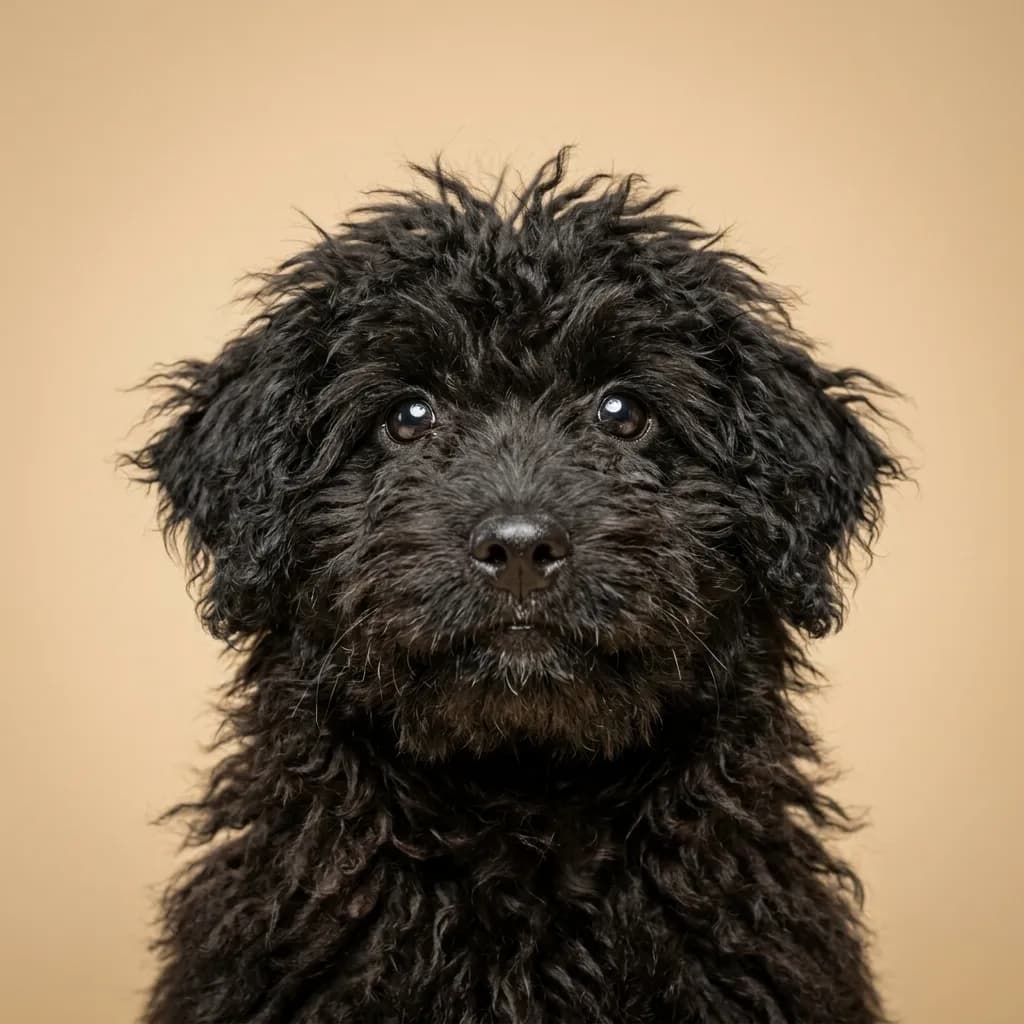
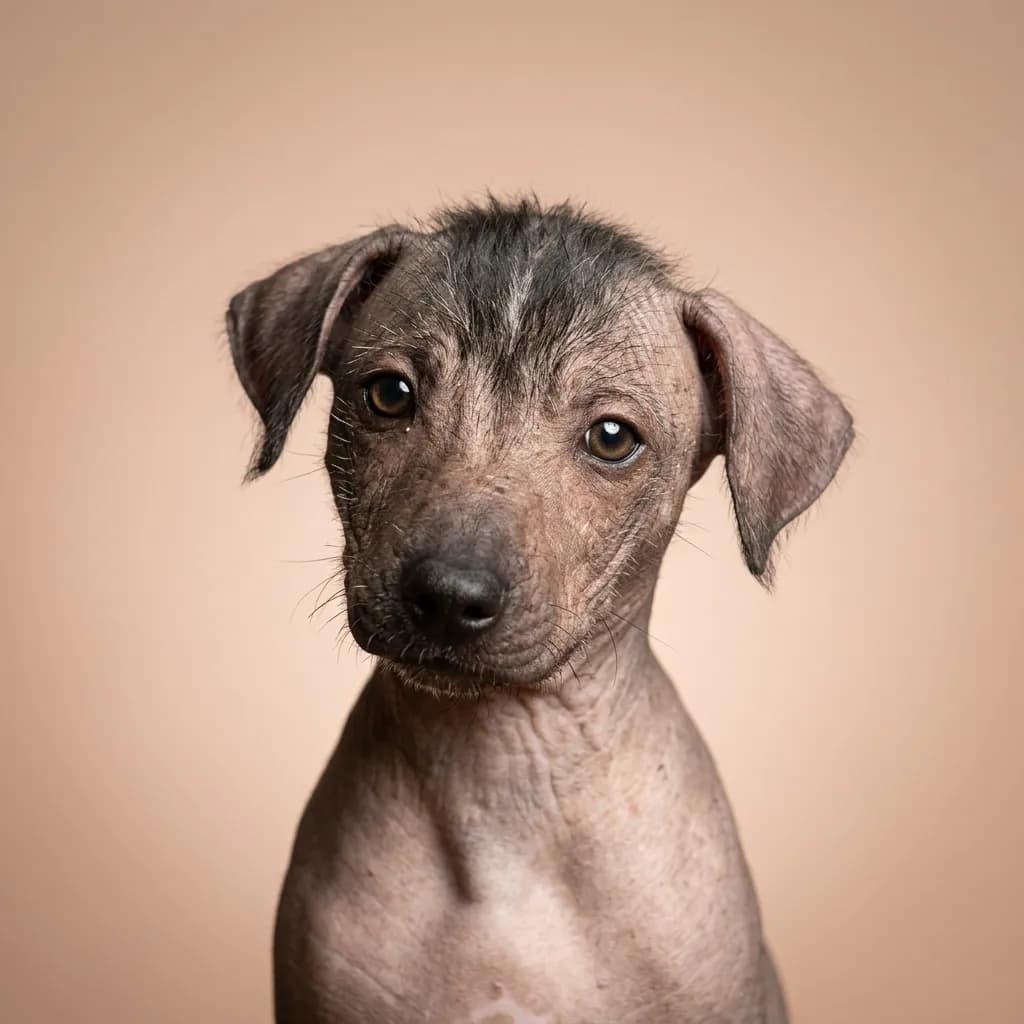
People don’t usually line up a Puli and a Xoloitzcuintli side by side, but when they do, it’s usually because they’re drawn to the unusual. Both breeds turn heads—one looks like a mop that learned to bark, the other like a sleek, ancient statue that decided to curl up on your couch. They’re both loyal to their people, low-shedding, and pack serious personality. But that’s where the similarities unravel. The Puli is a thinker, bred to move sheep with precision and purpose. You’ll see it shadowing its owner, always tuned in, always ready to work. That intelligence means it thrives on training—but it also means boredom turns into mischief. Those cords aren’t just for show; they take hours to maintain, and skipping care leads to mats that can’t be saved. This isn’t a dog for someone who flinches at a 90-minute grooming session every other week. The Xolo, especially the hairless version, is warmth-seeking and skin-needy. You’ll need to slather it in sunscreen in summer and cover it in sweaters in winter. But that smooth, alien-looking body comes with deep cultural roots—it was once believed to guide souls in the afterlife. Today, it’s more likely to be found stealing the bed and claiming your spot on the couch with quiet confidence. Active families who want a project with big rewards might lean toward the Puli. But if you’re looking for a calm, devoted companion with a touch of the mystical—and don’t mind a nightly skincare routine—the Xolo might just choose you. Here’s the truth the breed standards won’t tell you: both dogs bond so deeply they can’t help but mirror your mood. A stressed home will create a stressed dog. They’re not just pets. They’re emotional barometers.
Trait-by-trait
Higher bar = more of that trait. Shedding, barking, drooling, grooming flipped for readability.Where they diverge
Choose the Puli if…
- Active families
- Experienced dog owners
- Those wanting a unique coat
- You value coat grooming — Puli scores noticeably higher.
Choose the Xoloitzcuintli if…
- People with dog allergies
- Experienced dog owners
- Those wanting a rare and ancient breed
- You value playfulness — Xoloitzcuintli scores higher here.