Pumi vs Saluki
Side-by-side comparison across all 14 AKC trait ratings, with a clear verdict on which breed fits which kind of household.
Not sure which breed fits your life?
Answer five questions about your home, your schedule, and your tolerance for shedding. We’ll match you to your top three breeds from over 200.
Pumi vs Saluki
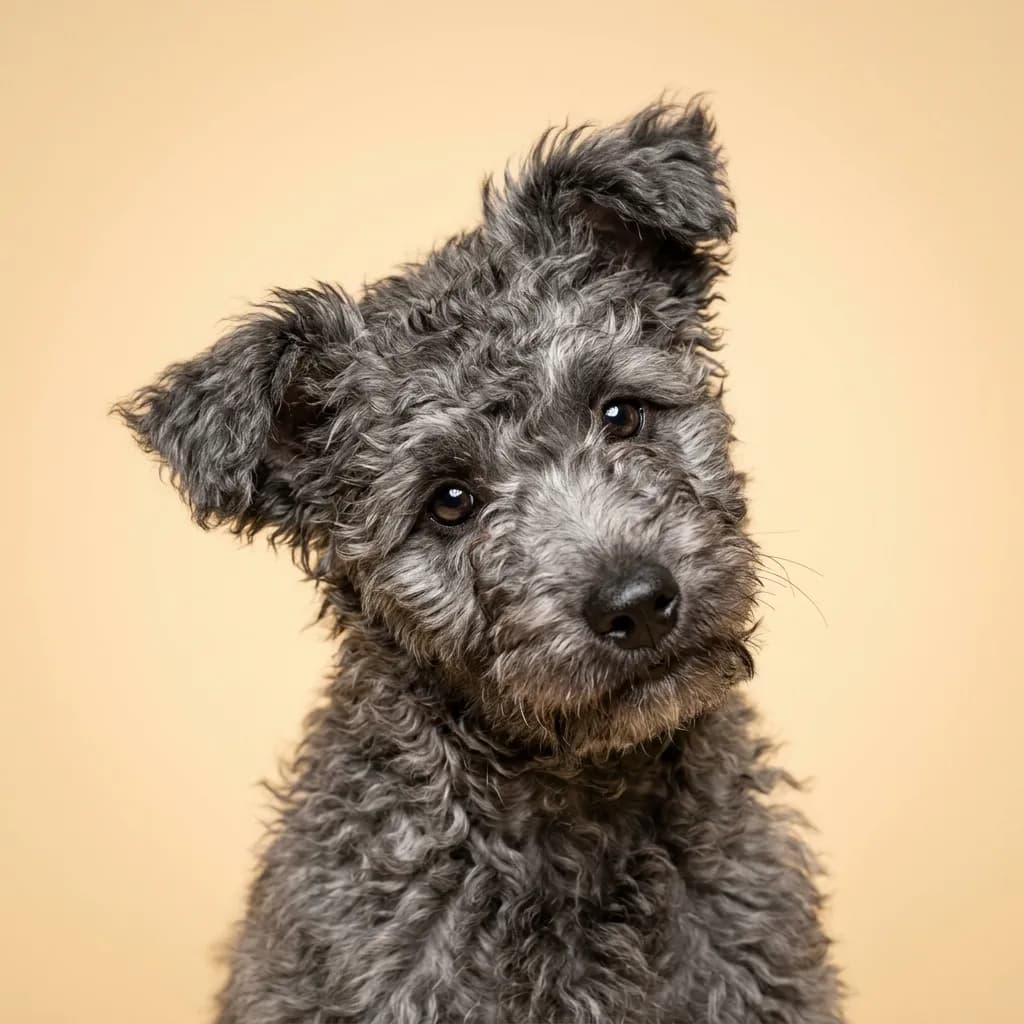
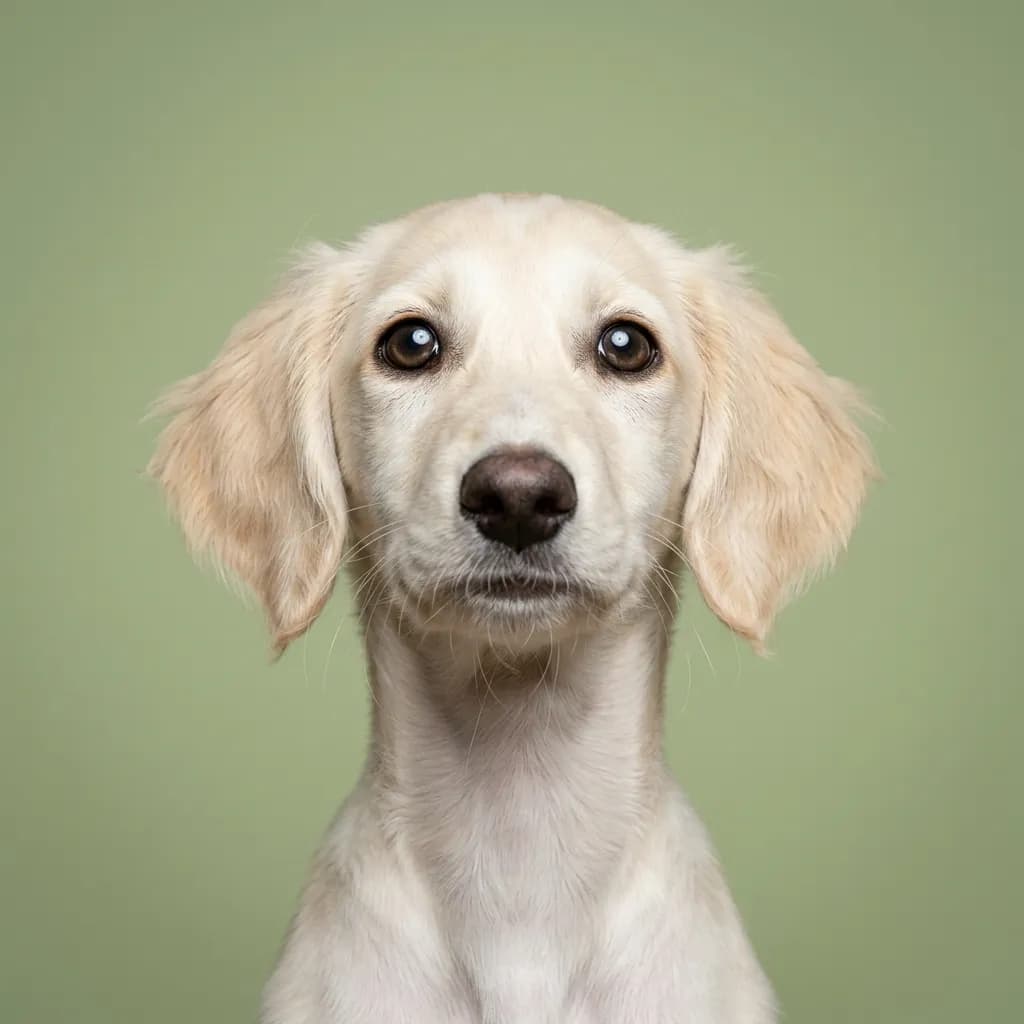
You don’t see Pumis and Salukis in the same ring often, but people compare them because both are rare, striking, and demand a certain kind of owner—someone who’s not just along for the ride. They’re both high-energy, low-shedding breeds with intense focus and a look that turns heads. But that’s where the similarity ends. Choosing between them isn’t just preference. It’s lifestyle, instinct, and how you define connection. The Pumi is a tornado in a curly coat. Bred to nip, bark, and move sheep with wild-eyed intensity, this dog wants to do something. It’ll learn tricks in minutes, dominate agility courses, and bond fiercely with its person. But it won’t let you lounge on the couch without commentary. It’s alert, vocal, and needs constant mental puzzles. Kids might find it a bit much—it’s not snuggly on command, and its herding instinct can show up as nipping. The Saluki is the opposite kind of intense. Picture a desert ghost: silent, swift, and emotionally reserved. It won’t train on command like the Pumi. You can’t push it. It makes choices, not obedience. But in the right moment—after a long run in a secure field—it’ll drape itself over your lap with a quiet dignity that feels earned. It needs space to sprint, not necessarily constant interaction. Here’s the real difference: the Pumi wants to work with you. The Saluki tolerates working near you. If you thrive on partnership and precision, go Pumi. If you admire independence and grace, and can accept emotional distance, the Saluki will steal your heart slowly—just don’t expect it to come when called without serious training. And one truth the breed standards won’t tell you: both can break your heart when they look at you like you’re not quite enough. One does it because it’s waiting for a task. The other because it’s already halfway across the desert.
Trait-by-trait
Higher bar = more of that trait. Shedding, barking, drooling, grooming flipped for readability.Where they diverge
Choose the Pumi if…
- Active owners
- Dog sports enthusiasts
- Experienced herding breed owners
- You value watchdog / protective — Pumi scores noticeably higher.
Choose the Saluki if…
- Active owners with running space
- Experienced sighthound owners
- Those wanting an elegant, quiet breed
- You value shedding level — Saluki scores higher here.