Pumi
A Hungarian herding breed that looks like a terrier but thinks like a working dog — quick, energetic, and always ready to do something. Their curly, medium-length coat is lower maintenance than it looks, which is one of the few easy things about owning one. Best suited for owners who genuinely love dog sports or have livestock; this is a breed that wants a full-time job.

Free weekly training plan, specific to your Pumi’s age. Exactly what to focus on this week.
Get your free training planLiving with a Pumi
The Pumi is a high-octane, curly-coated herding dynamo from Hungary you’ve probably never heard of, but if you’re into border collies and corgis, you should. Bred to drive sheep and cattle with a mix of bark, bounce, and boldness, this 15- to 18.5-inch bundle of nerves and affection doesn’t just want to work, it needs to. They’re light on their feet, loud when necessary, and always watching.
You’ll notice the ears first, perked and radar-like, but it’s their constant low-level twitching, like they’re conducting silent electricity, that tells you this dog is never truly off duty. Living with a Pumi means living with a 5/5 energy level and a 5/5 need for mental stimulation. These dogs don’t just want walks; they want problems to solve.
Dog sports like agility, herding trials, or even advanced trick training aren’t extras, they’re survival tools. Skip the stimulation and you’ll get holes in your drywall, obsessive barking, or shadow-chasing. They’re affectionate as all get-out, curling up at night like they’ve earned it, but don’t be fooled, this is not a couch potato with curls.
Grooming is surprisingly low-shed, just 1/5, but that corded coat isn’t no-maintenance. You’ll need to hand-strip or clip every few weeks to keep it from matting, especially behind the ears and under the legs. Think of it like owning a very opinionated, slightly damp muppet that needs weekly spa appointments.
Health-wise, they’re generally sturdy for a purebred, living 12 to 13 years, but watch for hip dysplasia, patellar luxation, and the breed-specific threat of primary lens luxation, which can cause sudden blindness. Reputable breeders do genetic testing, so don’t skip that step. You’ll pay for it, literally, anywhere from $1,500 to $4,000.
They’re great with kids only in the sense that they can tolerate chaos, but their herding instinct might kick in with fast-moving children, nipping at heels isn’t out of the question. Best for experienced owners who’ve handled high-drive breeds before. Here’s the real talk: the Pumi isn’t just another “active dog.” It’s a specialist.
If you’re not training, playing, or working with this dog daily, you’re doing it a disservice. It’s not enough to be active, you have to be engaged. This dog will out-think you if you let it.
14 traits, at a glance.
Every breed on PuppyBase is rated across the 14 trait dimensions the American Kennel Club publishes — from trainability to drooling level. The higher the score, the better the fit for that trait.
What to expect day-to-day
Things to screen for
- Hip dysplasia
- Patellar luxation
- Degenerative myelopathy
- Multidrug resistance mutation (MDR1)
- Primary lens luxation
See a full price breakdown — first-year costs, lifetime estimate, breeder vs. adoption.
Full price guideSimilar breeds
Browse all 200+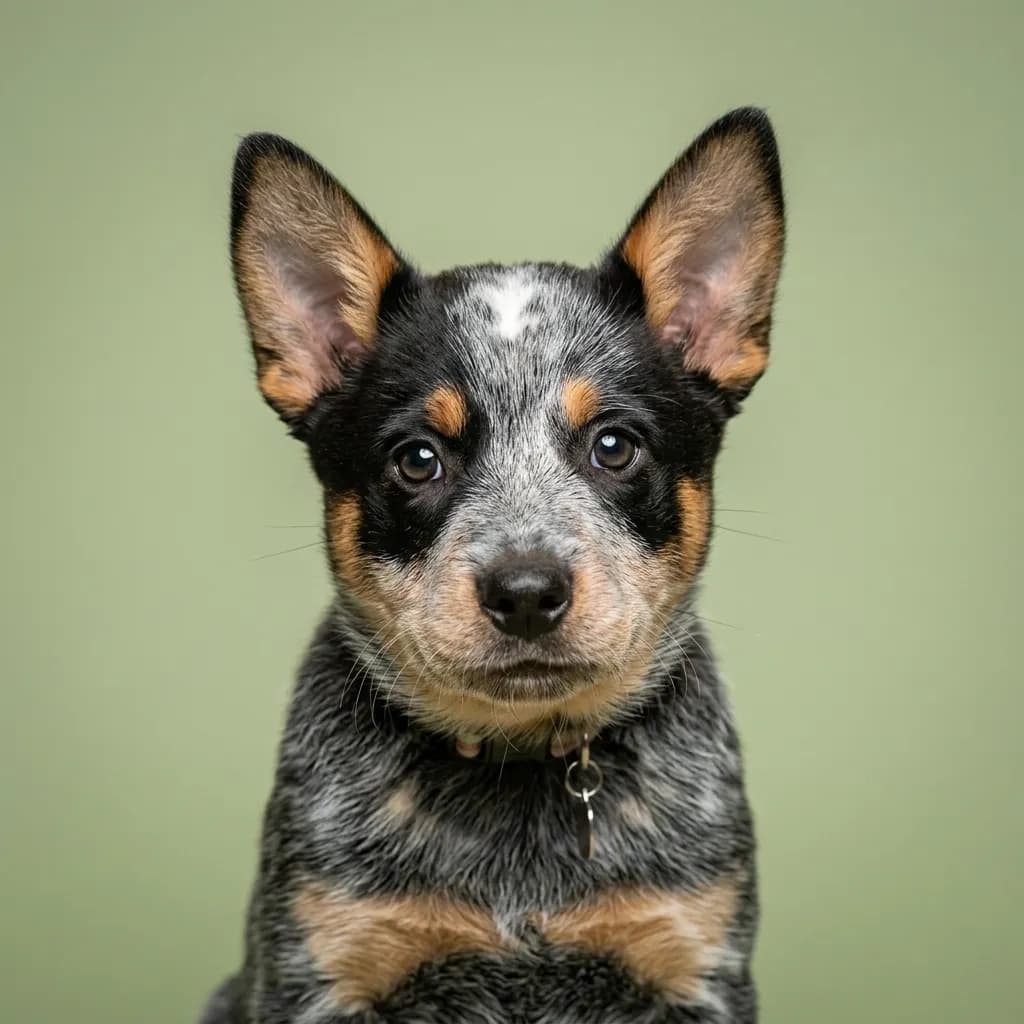



Common questions
How long do Pumis live?
Pumis typically live between 12 and 13 years, which is average for a dog of their size. With proper care and regular vet checkups, many live into their teens in good health.
How much does a Pumi puppy cost?
A Pumi puppy usually costs between $1,500 and $4,000, with most reputable breeders charging around $2,500. Prices vary based on pedigree, health testing, and breeder location.
How much do Pumis shed?
Pumis shed very little, making them a great choice for people looking for a low-shedding breed. Their curly coat traps loose hair, so you’ll barely see any around the house.
What colors do Pumis come in?
Pumis come in black, white, gray, and fawn. Some may have slight fading or shading, especially in sunlight, but all are accepted by the breed standard.
How big do Pumis get?
Pumis stand between 15 and 18.5 inches tall and weigh 22 to 29 pounds. They’re medium-sized but compact, with a sturdy build that reflects their working background.
Are Pumis smart?
Pumis are extremely intelligent and thrive on mental challenges. They pick up new commands in just a few repetitions and are always watching for ways to engage their minds.
Are Pumis hypoallergenic?
Yes, Pumis are considered hypoallergenic due to their low-shedding, curly coat. They produce fewer allergens than most breeds, making them a better fit for allergy sufferers.
Are Pumis aggressive?
Pumis aren’t aggressive by nature, but they are alert and can be wary of strangers. Early socialization is key to prevent overprotective or reactive behavior.
What health problems are common in Pumis?
Common health issues include hip dysplasia, degenerative myelopathy, primary lens luxation, patellar luxation, and the MDR1 gene mutation that affects drug sensitivity. Reputable breeders screen for these.
Do Pumis bark a lot?
Pumis bark moderately, usually to alert their family to something unusual. They’re not constant barkers, but they won’t stay quiet if they think something’s wrong.
Are Pumis easy to train?
Yes, Pumis are very easy to train because they’re eager to learn and highly responsive to instruction. They excel in obedience, agility, and herding trials with consistent handling.
Are Pumis good family dogs?
Pumis can be good family dogs for active households that understand herding breeds. They’re affectionate with their people but may be too intense or energetic for families with very young children.
Are Pumis good with cats?
Pumis can live with cats if raised together or properly introduced, but their herding instinct may kick in around fast-moving pets. Supervision and early exposure help reduce chasing behavior.
Can Pumis live in apartments?
Pumis are not well-suited to apartment living. They need space to move and a routine full of physical and mental activity, which is hard to provide in a small urban setting.
Are Pumis good first dogs?
Pumis are not recommended for first-time dog owners. They require experienced handling, consistent training, and an owner who can meet their high energy and mental stimulation needs.
When do Pumis calm down?
Pumis typically start to settle a bit around 3 to 4 years of age, but they remain energetic and alert throughout their lives. You’ll never get a truly 'lazy' dog with this breed.
Not sure which breed fits your life?
Answer five questions about your home, your schedule, and your tolerance for shedding. We’ll match you to your top three breeds from over 200.